Yes, I know. Spending hours fighting enemies to gain just a few extra points of attack damage isn’t exactly my definition of fun either. And although I agree that getting stronger is a big part of JRPGs in general, watching numbers go up and down can only be entertaining for so long. It seems like some developers have figured that out as well, making their progression systems much more rewarding than that.
Some Japanese role-playing games give players opportunities to experiment with their characters throughout the entire game, no matter what they initially started playing as, while others reward activities that have absolutely nothing to do with fighting enemies. Sure, not every complicated system is necessarily a good one, but some of them are just too well-designed to complain about.
6
NieR: Automata
Even The Smallest Upgrades Can Change How You Play
-
 Image via PlatinumGames
-
 Source: PlatinumGames
-
 Image via PlatinumGames
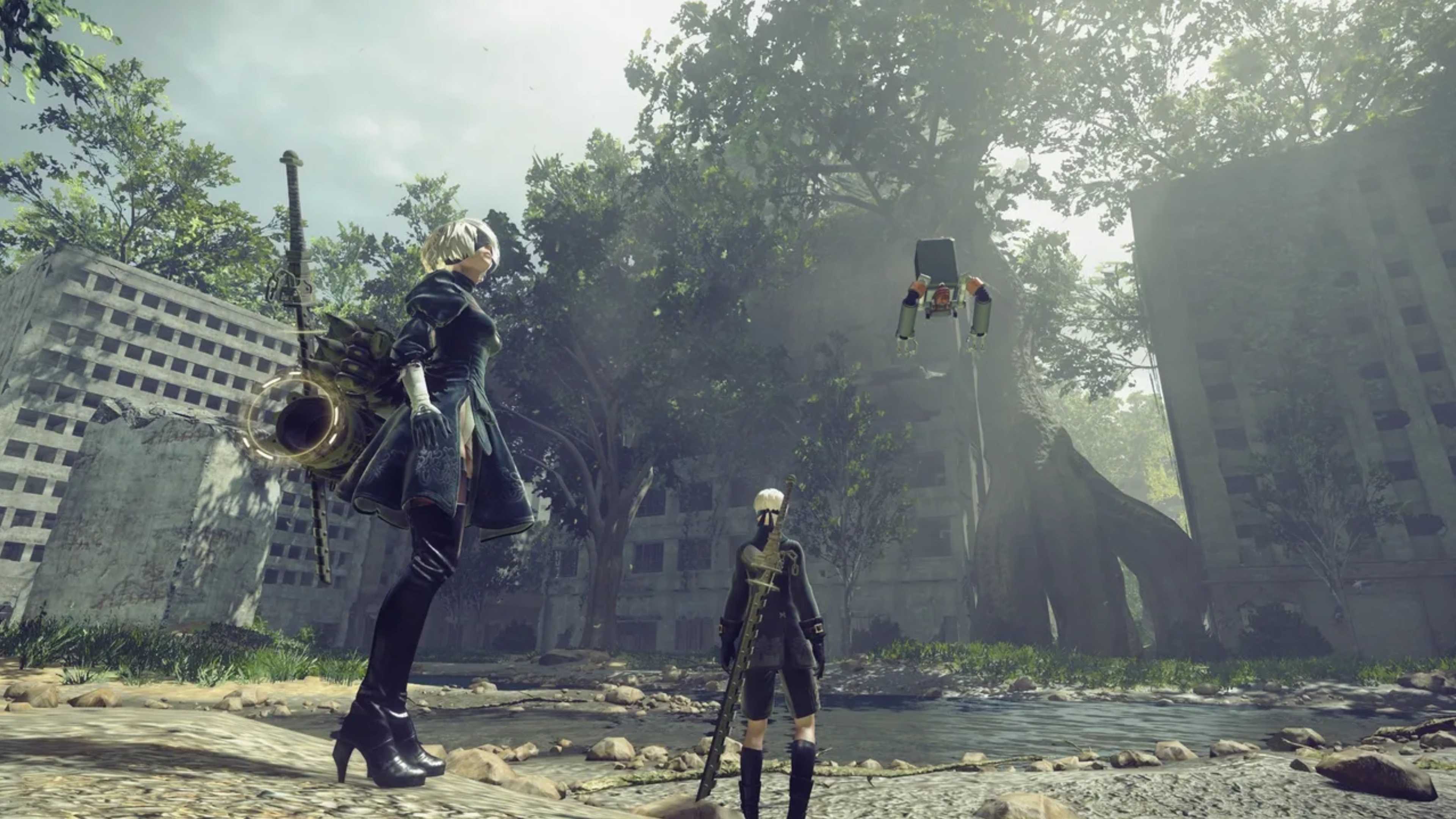
NieR: Automata is all about androids fighting to reclaim Earth from machines, which is not the most original premise in my opinion, but very few games can compare when it comes to the title’s progression system. It allows players to customize much more than their weapons or damage output. To give an example, the Plug-in Chip system gives you the opportunity to install upgrades that influence combat, movement, and even interface features, but every chip occupies a certain amount of storage, so you should really think about it when you’re choosing which ones deserve space.

Find all 10 pairs
However, what makes this entire system so clever is that you can sacrifice some conveniences to improve your combat abilities. For example, you can remove the HUD chip that displays enemy health to free up storage for other upgrades. By using these enhancements, you need to consider whether losing valuable information for additional power is worth it. This is quite different from the systems in most JRPGs, where upgrades are basically used to increase stats, and that’s it.
Overall, NieR: Automata‘s progression system involves meaningful trade-offs that are way more interesting than just accumulating bonuses. I personally think that this makes up for the conventional character leveling, which is less sophisticated for my liking.
5
Dragon Quest 11: Echoes Of An Elusive Age
A Skill Tree That Doesn’t Punish Experimentation
-
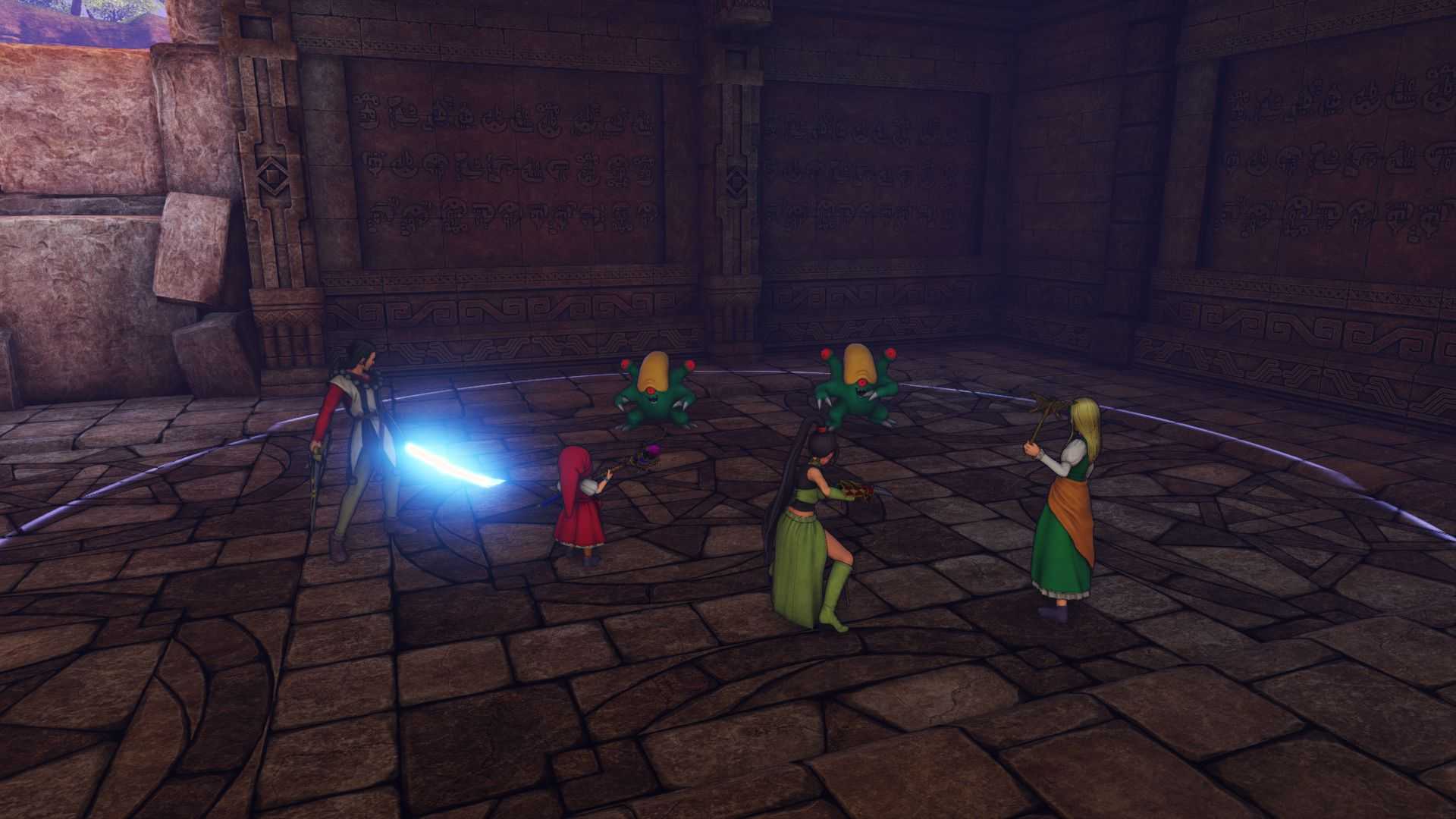 Image via Square Enix
-
 Image via Square Enix
-
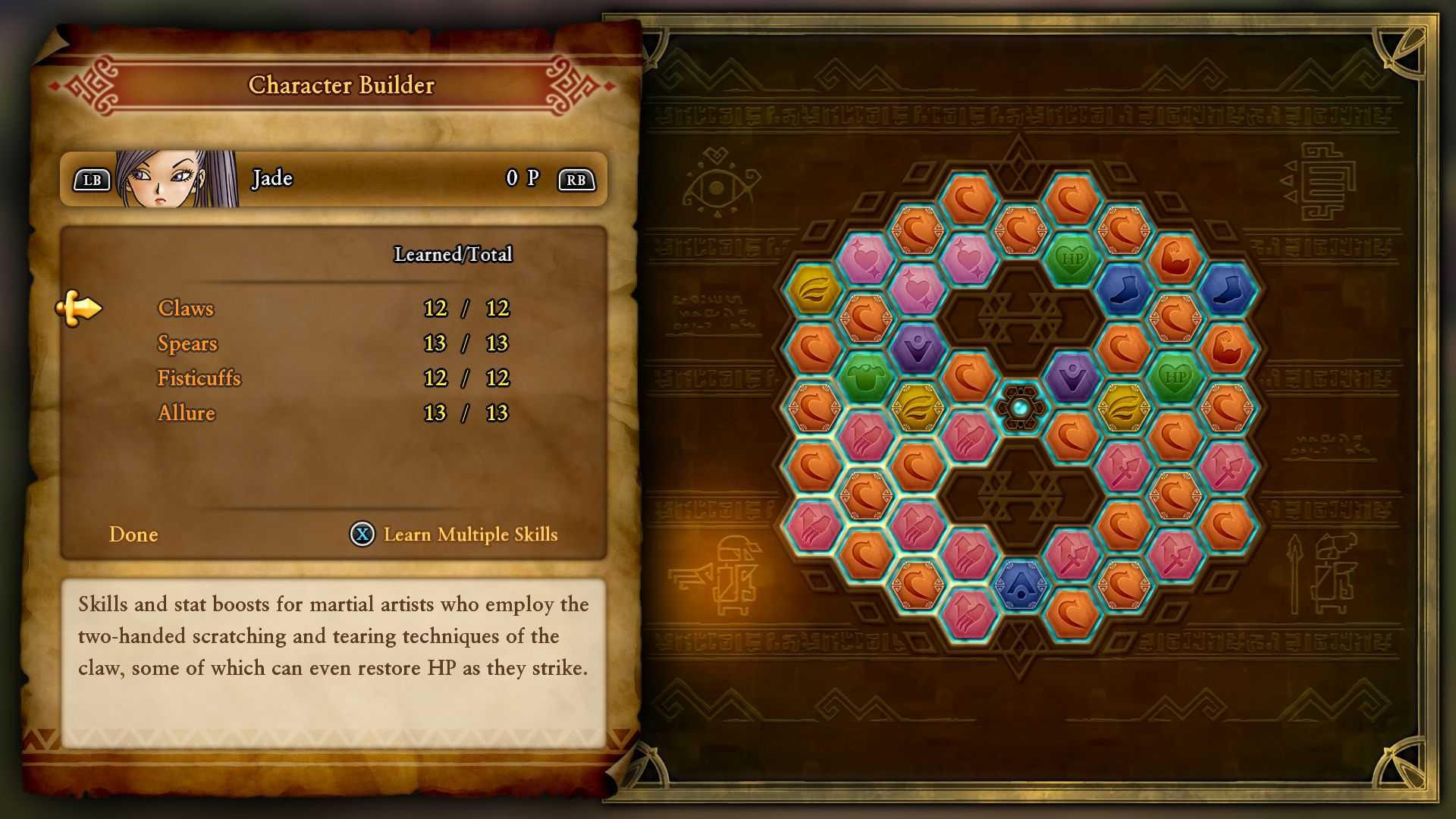 Image via Square Enix
Dragon Quest 11: Echoes of an Elusive Age follows the Luminary, who travels across Erdrea after discovering his extraordinary destiny. During his travels, he recruits companions. Each of these characters has their own combat specialties and can be developed through a system called the Character Builder. In traditional JRPGs, characters often automatically learn predetermined abilities as they level up, but in this game, players earn skill points and can decide which panels to unlock.
However, in this case, players can reset their skill points for a relatively small gold fee, which makes the system exceptionally flexible, and choosing an ineffective specialization doesn’t permanently damage someone’s development. Players are also allowed to redistribute points when they want to experiment with a different strategy. There are very few games that offer meaningful choices without making experimentation punishing like Dragon Quest 11 does.
Moreover, it’s important to mention that unlocking certain panels opens access to additional skills previously hidden behind inaccessible sections of the Character Builder. In other words, saving and spending skill points strategically is rewarded, unlike in more traditional JRPGs where players just choose an upgrade at random and things usually turn out fine.
4
Octopath Traveler 2
Character Progression Makes Party Composition A Puzzle
-
 Image via Square Enix
-
 Image via Square Enix
-
 Image via Square Enix
Octopath Traveler 2 is about eight adventurers traveling across Solistia. Each one of them has a specific job—they could be a Warrior, a Scholar, or a Merchant—and this is what establishes their combat identity. However, as you progress through the game, you can start assigning secondary jobs, which create combinations that substantially change how characters contribute to battle.
For example, if you give the Warrior Hikari the Apothecary job, he can combine physical attacks with healing and support abilities. This, combined with the Support Skills that remain available even after switching secondary jobs, makes progression very interesting.
However, maybe the game’s greatest achievement is how closely character progression is connected to the Break and Boost combat system. Every enemy has their own weaknesses, and exploiting them reduces their Shield Points and temporarily incapacitates them. In other words, the more weapons and abilities you unlock, the more you’ll be able to really take advantage of your enemies’ vulnerabilities. This generally makes unlocking skills valuable even when they don’t directly increase your damage.
3
Final Fantasy 10
Every Battle Contributes To A Clear Long-Term Goal
If you’ve ever played Final Fantasy 10, you know that characters earn Sphere Levels through combat, which allows them to move around the grid and activate different nodes that unlock abilities. At the very beginning of the game, most characters follow predetermined routes that correspond to their unique specialties. However, the more you progress, the more these characters can cross into other characters’ sections of the Grid and learn abilities outside their roles.
I think what makes the Sphere Grid so satisfying is that you can see exactly what you are working toward, which means that you can plan and create a route toward specific improvements that you want. Moreover, I think this system does a great job of balancing accessibility and complexity. Beginners can follow established routes without worrying about their choices, while experienced players can also pursue some unusual and more challenging character builds. Without a doubt, very few JRPG progression systems know how to offer this much flexibility without overwhelming newbies.
2
Persona 5 Royal
Virtually Everything You Do Contributes To Progression
-
 Image via Atlus
-
 Image via Atlus
-
 Image via Atlus
Persona 5 Royal follows a high school student who leads a group of vigilantes who enter a supernatural world to change the hearts of corrupt individuals. However, the game’s character progression extends far beyond defeating enemies. You can develop relationships with Confidants, but these relationships also unlock practical benefits. For example, if you strengthen your relationship with Hifumi Togo, the game allows you to unlock tactical combat options like the ability to switch party members while you’re in the middle of a battle.
Moreover, if you improve the protagonist’s Social Stats, like Charm or Knowledge, you will get access to additional interactions and opportunities. Generally, the idea is to create increasingly powerful allies with different combinations of abilities. This is quite different from what we see in most other JRPGs. In this case, activities outside of combat matter just as much as everything else to how you progress.
Even studying and managing the protagonist’s schedule contributes to future opportunities, which is just additional proof of how detailed the progression system is. Last but not least, you can fuse different Personas to create new ones. By doing this, you also inherit selected abilities from their predecessors. In other words, even weaker Personas can contribute to long-term progression instead of simply being discarded.
A Progression System Where Nothing Feels Wasted
-
 Image via Studio Zero
-
 Image via Studio Zero
-
 Image via Studio Zero
Metaphor: ReFantazio has no equal when it comes to its progression system. First of all, it does not restrict party members to predetermined roles. It allows characters to pursue numerous specializations, and players can develop a Warrior, then switch to a Mage, and eventually unlock more advanced Archetypes by meeting specific mastery requirements.
My absolute favorite feature is that developing one class continues to benefit a character even after switching to another. This is called skill inheritance, and you can equip selected abilities learned from previously developed Archetypes, which lets you create insanely versatile builds. The progression system also rewards relationships with Followers. This helps you unlock new Archetypes as well.
When considering the bigger picture, Metaphor: ReFantazio actually rewards mastering classes, acquiring inherited skills, unlocking specializations, and strengthening your relationships with the rest of the characters. However, what really matters is the fact that if you invest effort in one area, you open opportunities in another, which is kind of close to reality if you think about it.

I’m Abhishek Sharma, an author at TigerJek.com. I enjoy exploring games, testing different strategies, and turning what I learn into clear, useful guides. My goal is to help players understand the game better and improve without the usual confusion.