Updated on August 1, 2026, by Mark Sammut: As there seems to be a desire to play these types of open-world RPGs, we added two more that qualify: Dragon’s Dogma 2 and Tainted Grail: The Fall of Avalon.
Open-world RPGs are largely governed by a set of rules and laws that give players a reason to keep playing and become stronger over time. Many games are happy to let you level up and become overpowered, with some even encouraging that playstyle, but in other cases, it is the exploration and engagement with the world that actually feels more rewarding than watching an XP bar go up.
As a result, these games feel a whole lot more exciting to play through, as there is a genuine incentive to avoid the beaten path and see the outer edges of the map, as opposed to just farming enemies or powering through the most lucrative missions. More importantly, this freer style of gameplay feeds into the core tenets of the genre itself, being the lack of barriers on both where you can go in the world and how you choose to explore it.
Dragon’s Dogma 2
XP Leveling Takes A Backseat To Exploration-Based Progression Systems

Details:
- XP Leveling exists, but stat growth is minimal compared to equipment and vocation mechanics.
- Exploring off the beaten path leads to awards required to get stronger.
Capcom’s action RPG sequel retains most of the ideas of its predecessor, including dividing progression across an array of systems rather than just focusing on traditional stat boosts. Don’t get me wrong, Dragon’s Dogma 2 rewards XP points for leveling up, and the process is somewhat satisfying; however, the growth experienced through leveling up is fairly minimal and not the defining factor in turning a scrub into a powerhouse.
Vocations serve as DD2‘s classes, and the high-tier ones, like Magick Archer and Warfarer, must be unlocked by tracking down NPC Maisters and completing their quests. You will need to level up to make that trek possible, but exploration is still ultimately the main path to success. The same can be said for weapons and gear, both of which lock their best stuff behind Seekers’ Tokens. The latter are generally hidden away in ruins and caves, forcing you to explore, discover, and rejoice.
If you haven’t played Dragon’s Dogma 2 but are interested in giving it a go, it might be best to wait for DD2: Dark Arisen, which drops later this year.
Trusting You To Find Your Way
Details:
- Exploration is the primary source of progression
- Rare gear and locations matter more than levels.
Morrowind remains one of the purest examples of exploration-driven RPG design, as, unlike modern games that fill maps with objective markers, it expects you to navigate using nothing but landmarks and the curiosity of a true adventurer. The world is packed with valuable treasures, powerful artifacts, and entire questlines that can be uncovered simply by wandering away from the main path, and there never comes a time when those diversions feel less valuable than simply progressing the campaign.
What makes the exploration so rewarding is that the discoveries often have a meaningful impact on the gameplay, in a more transformative way than just a few extra stats. I would frequently find a forgotten tomb or a cave and come out the other side with a powerful new weapon to fight with, which in turn makes future expeditions into the unknown all the more exciting.
Kingdom Come: Deliverance
Knowledge Is Power
Details:
- Learning the world is the true reward
- Exploring opens up useful resources and new opportunities
Kingdom Come: Deliverance approaches progression differently from most RPGs. While skills improve through repetition and actions, your actual success often comes from understanding the game’s world and geography on a deeper level, something that can only be achieved by exploring and finding valuable treasures that would otherwise remain completely hidden.
The game’s realism makes every discovery feel all the more significant, as the lack of guidance means that when you do finally uncover a secret path or a secluded area, you know that the achievement is yours alone to celebrate. The way I see it is that exploration is effectively the main game mechanic and one that can be used extensively to alter the entire experience in a more organic way than if you had farmed for hours or sat around waiting for things to respawn.
Outward
Your Survival Depends On You

Details:
- Surviving means moving through the world
- Dangerous locations can be the most fruitful
It is not common to find an open-world RPG that manages to actually make survival an interesting mechanic that doesn’t consume the whole experience, but Outward strikes the balance with absolute perfection. Your place in the world is built around the idea that victory should be earned through effort, and with no traditional character levels, you will find that your strength comes primarily through better gear, abilities, and increased knowledge, things that are naturally earned by moving through the environment.
This design makes exploration incredibly valuable because there is literally no incentive to hang around in the same place, as the best loot and the most fun activities are actually found, not granted. I also think that the survival mechanics improve the urgency to explore, as you are on the hunt for both treasure and resources to survive another day and to see more of the wonders that the world has to offer.
The Witcher 3: Wild Hunt
Detours That Feel Worth Taking
Details:
- Memorable stories are all across the map
- Side quest quality matches the main ones
Many open-world RPGs reward exploration with loot, and it is a pretty good incentive, yet something even more valuable is a good and well-written story. The Witcher 3 falls into that latter category, adding unique quests and fascinating characters to each corner of the world that feel far more substantial than typical side activities that would normally serve no other purpose than a small injection of XP.
It took me dozens of hours to even consider progressing certain sections of the main questline, as I would always stumble upon a random contract or a lone traveler in the wilderness with a compelling enough tale to spend a whole session seeing through to the end. If you are someone who really values a living world with actual character, then there is no better place to find that than in The Witcher 3.
Tainted Grail: The Fall of Avalon
Mindlessly Grind Levels At Your Own Risk
Details:
- Farming kills for XP is not only inefficient, but is also actively punished.
- Relics and unique gear are the true progression.
A brutal dark fantasy RPG that encourages mindful exploration, Tainted Grail: The Fall of Avalon doesn’t want you to just head out into the unknown to spend two hours killing random mobs; in fact, doing so drains your Wyrdcandles supply, which you need to repel insanity. Instead of mindlessly grinding, you need to explore targets that will provide either relics, gear, or permanent buffs, all of which make a far more notable difference in battle than XP farming.
Grueling as the journey can be, Tainted Grail trusts players enough to allow them to take on dungeons beyond their current base level, if they prove they can handle the threats within and have the necessary resources to survive. If Gothic and Morrowind are just a bit too old-school for you, Tainted Grail is the perfect modern alternative, and it is just as difficult as those games (more so, in the case of Morrowind).
Elden Ring
Where Wonder Drives The World

Details:
- No markers or explicit objectives to follow
- Natural progress driven by exploration
Elden Ring is an incredibly unique open-world game that doesn’t tell you what to do, but also what not to do. You are given free rein to roam the land in whatever direction you choose, and at no point are there any major roadblocks or level barriers that stop you from progressing in the way you want.
More importantly, a lot of your power comes from the specific weapons and items you find along the way, rather than having a few extra points in vigor or strength. I always found that getting a new talisman from a dungeon or finding a cool set of armor felt like a much bigger leap overall, and even though the bonuses can make the game easier, at the end of the day, skill and strategy rule the world.
Gothic
Gradual Progress Earned Over Time
Details:
- The environment acts as a progression system
- Risk-reward gameplay style
Long before open-world RPGs became mainstream, Gothic encouraged players to explore a hostile world without ever giving them a hand to hold on to. Powerful enemies can be encountered almost immediately, but so can useful equipment and valuable secrets for those willing to take risks. In a lot of cases, you will be much better off journeying into the wild than pushing through the main story.
Also, because of how interconnected the world is, exploration naturally leads you towards new points of interest all the time, rewarding that effort with interesting new factions and opportunities that will prove far more engaging and useful in the end. I personally think that those early hours are the strongest, and if you can overcome the brutality of the experience, then the playthrough that awaits will be one of the best you have ever played.
Gothic remake released in early June 2026, if you want a more modern version.
Fallout: New Vegas
The Best Currency Is Curiosity
-
-
-
 Image via MadMailMan Studios
Details:
- Player choice matters more than levels
- New factions and quests revealed all the time
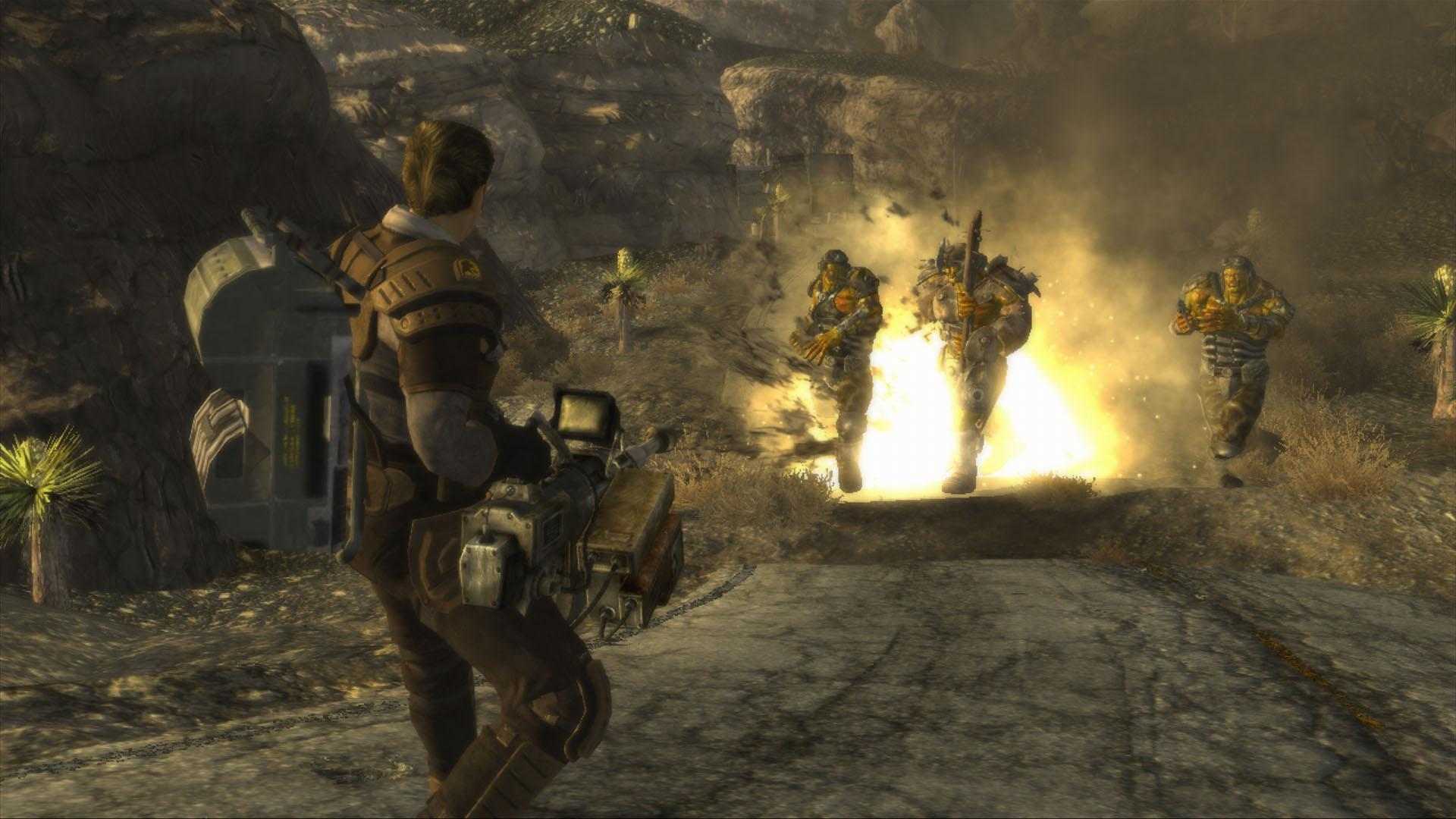
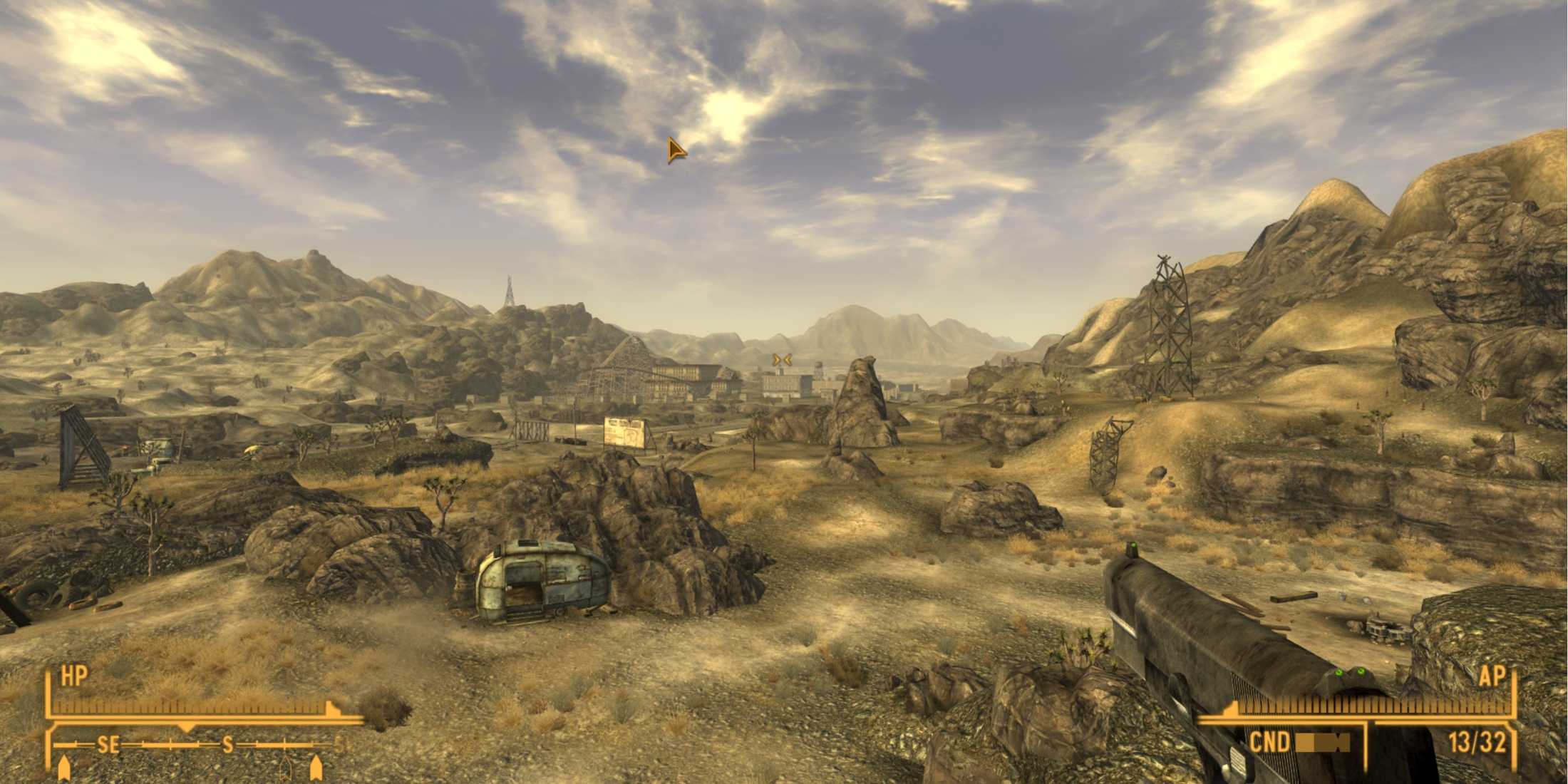
Fallout: New Vegas gives players enormous freedom to chart their own path through the Wasteland. While character progression is important, some of the game’s best content is found by simply venturing off established routes and investigating interesting landmarks, especially when there’s an outsider faction involved as well.
Part of why I love the game so much is due to the number of possibilities that come from even the smallest of landmarks. A remote settlement or abandoned building can open the door to major narrative developments that significantly affect the wider world, and I would much rather see a story expand and branch outwards due to my actions than gain a few boring old points of experience for my character.

I’m Abhishek Sharma, an author at TigerJek.com. I enjoy exploring games, testing different strategies, and turning what I learn into clear, useful guides. My goal is to help players understand the game better and improve without the usual confusion.