Progression systems can make or break a turn-based RPG. More so than games from other genres, turn-based games put a premium on preparation and build-crafting; if you can’t get the right gear, stats, or abilities, you’ll probably have a tough time in most turn-based RPGs.
An easy way to give players a strong sense of progression in a turn-based game is to simply present them with ever-increasing stat boosts, usually in the form of gear. This is how a lot of Final Fantasy games do it: the player might have a defense stat and an attack stat, and buying new, more expensive armor and weapons will raise each stat, respectively.
However, this approach is a bit rote and tired, especially after so many decades of turn-based experimentation and evolution. Here are some examples of games that go the extra mile in terms of creative progression systems.
Monster Hunter Stories 3
Friend Of Animals
Admittedly, this praise applies to the broader Monster Hunter IP as much as it does to Monster Hunter Stories 3: Twisted Reflection, the most recent game in the turn-based spin-off series. Like its real-time predecessors, Twisted Reflection‘s progression is tied to its core gameplay loop in an unusually direct, tactile way. Materials gained from fighting monsters allow you to craft more powerful gear, making you more effective as a result.

Drag weapons to fill the grid
Drag weapons to fill the grid
EasyMediumHard
Monster Hunter Stories 3: Twisted Reflection shakes up the formula by putting you in the role of tamer and environmental steward. You can train and upgrade a particular monster, only to release it into a new habitat, populating the area with new genetic variations of those same monsters and giving you more options in combat. It’s hard to think of another JPRG that handles progression in this particular, open-ended way, but Twisted Reflection makes it work.
Final Fantasy 10
Master The Sphere Grid
At first glance, Final Fantasy 10‘s character progression system seems unremarkable. In essence, it’s designed around a skill tree, with each playable character having their own specific abilities to unlock. Upgrades are also sequential, so if you want an upgrade for +4 MP, for instance, you might need to purchase one for +2 ATK first. This extensive system is called the Sphere Grid.
What sets Final Fantasy 10‘s Sphere Grid apart from other, more conventional skill trees is that all the characters’ “branches” are intertwined. There’s a “standard” path for each character, but you can also choose to diverge from these paths (using special items), making for radically different builds. For instance, you could have Tidus’ skill tree progression bleed into Yuna’s section, granting the former access to the latter’s MP upgrades and healing spells.
Get A Job
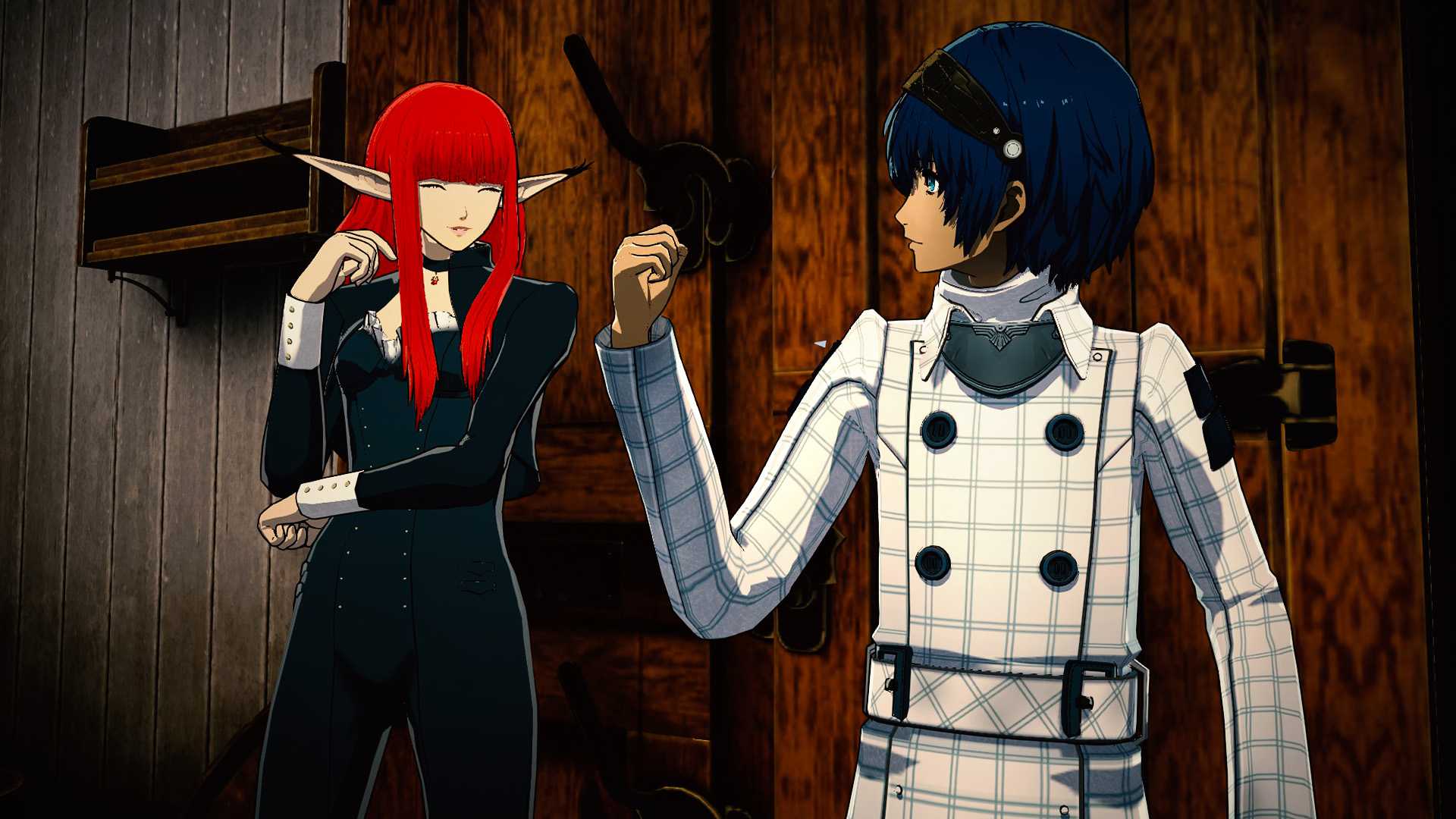
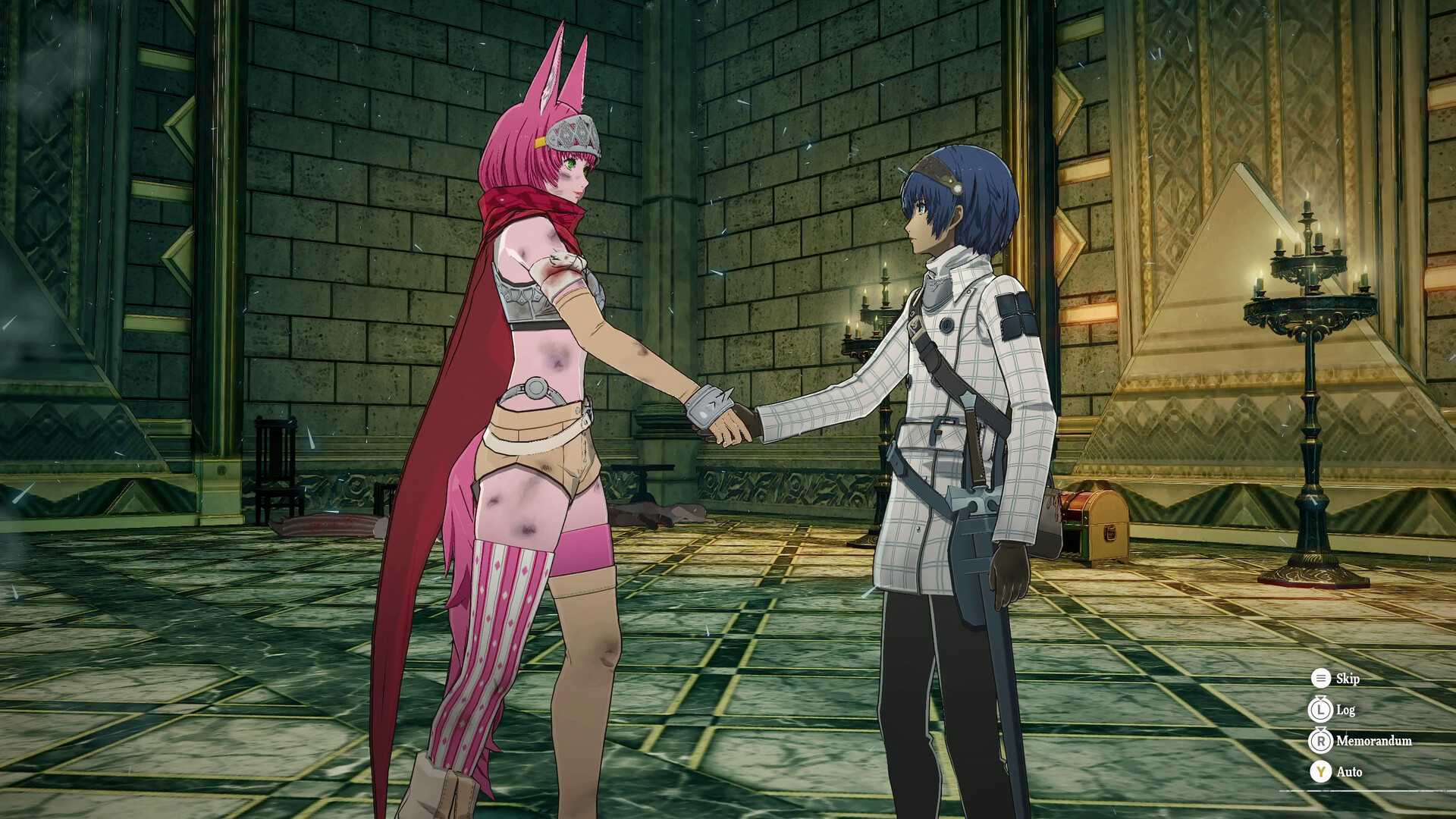
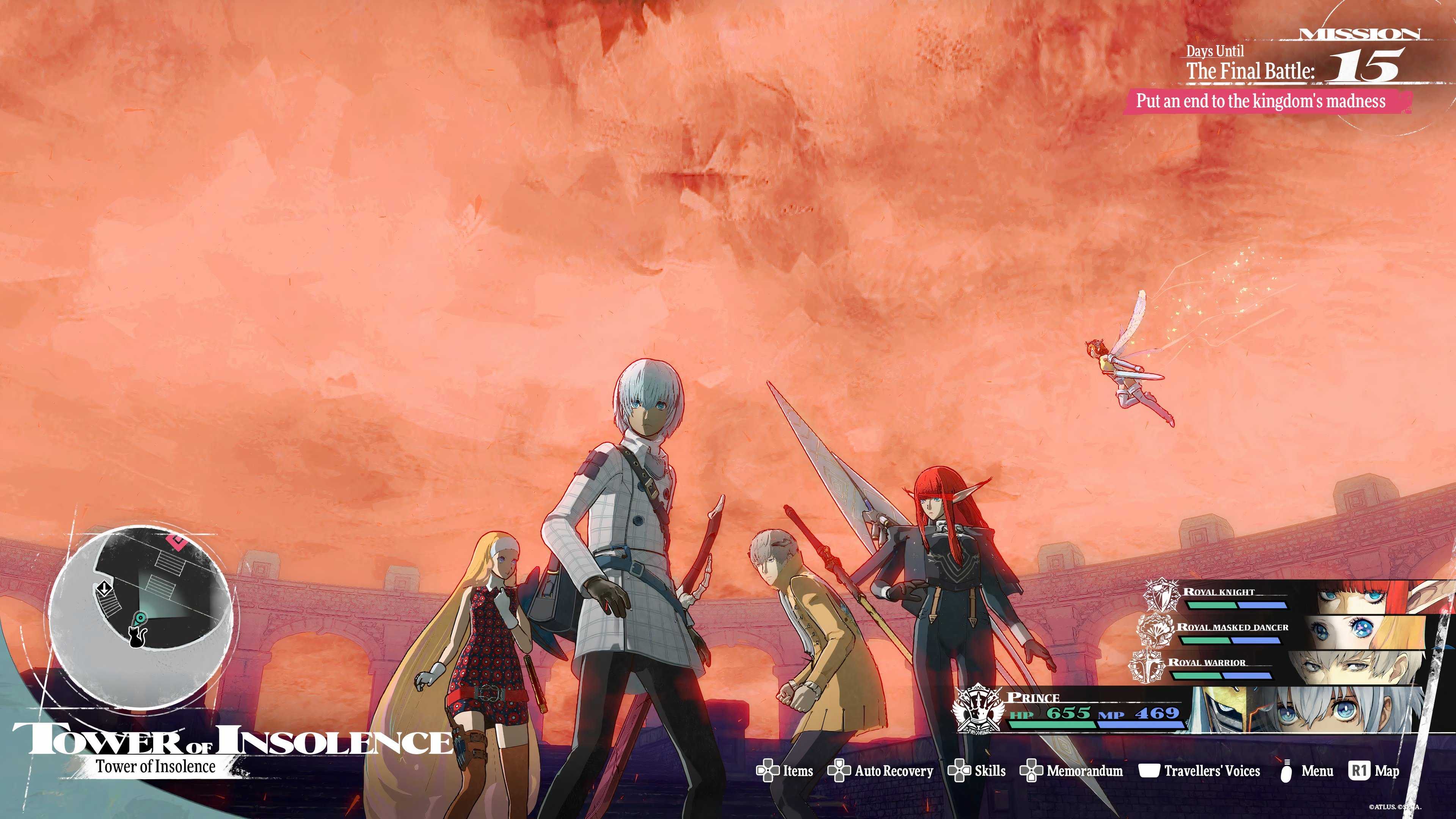
Atlus’ 2024 foray into high fantasy is compelling for a number of reasons, and progression is certainly one of them. For as much as I love the Persona franchise, its progression systems do not particularly impress me. I like a lot of them, but getting more powerful in Persona often feels a bit too random for my liking.
Enter Metaphor: ReFantazio, a game that, for my money, presents Atlus’ best rendition of the Megaten formula. Leveling up Archetypes, the game’s version of Personas, is consistently enjoyable because of how each Archetype feeds into a greater whole, and how permanent upgrades are communicated in spite of what is essentially a conventional jobs framework. Additionally, Metaphor‘s version of the Social Link system tends to result in more significant, gameplay-altering rewards.
Mewgenics
Really Makes You Paws And Think
-
 Image credits: Edmund McMillen, Tyler Gliael
 -
-
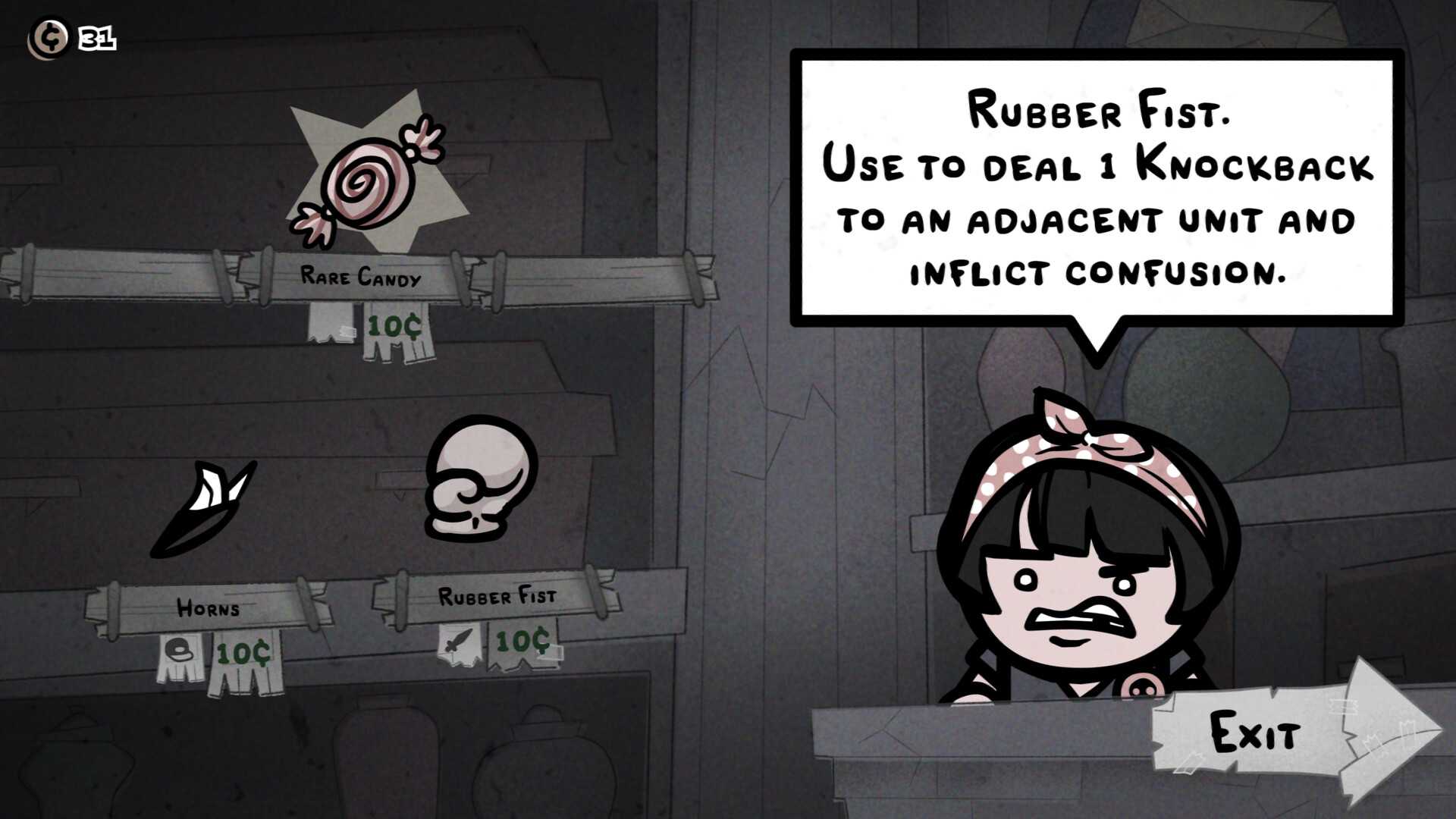
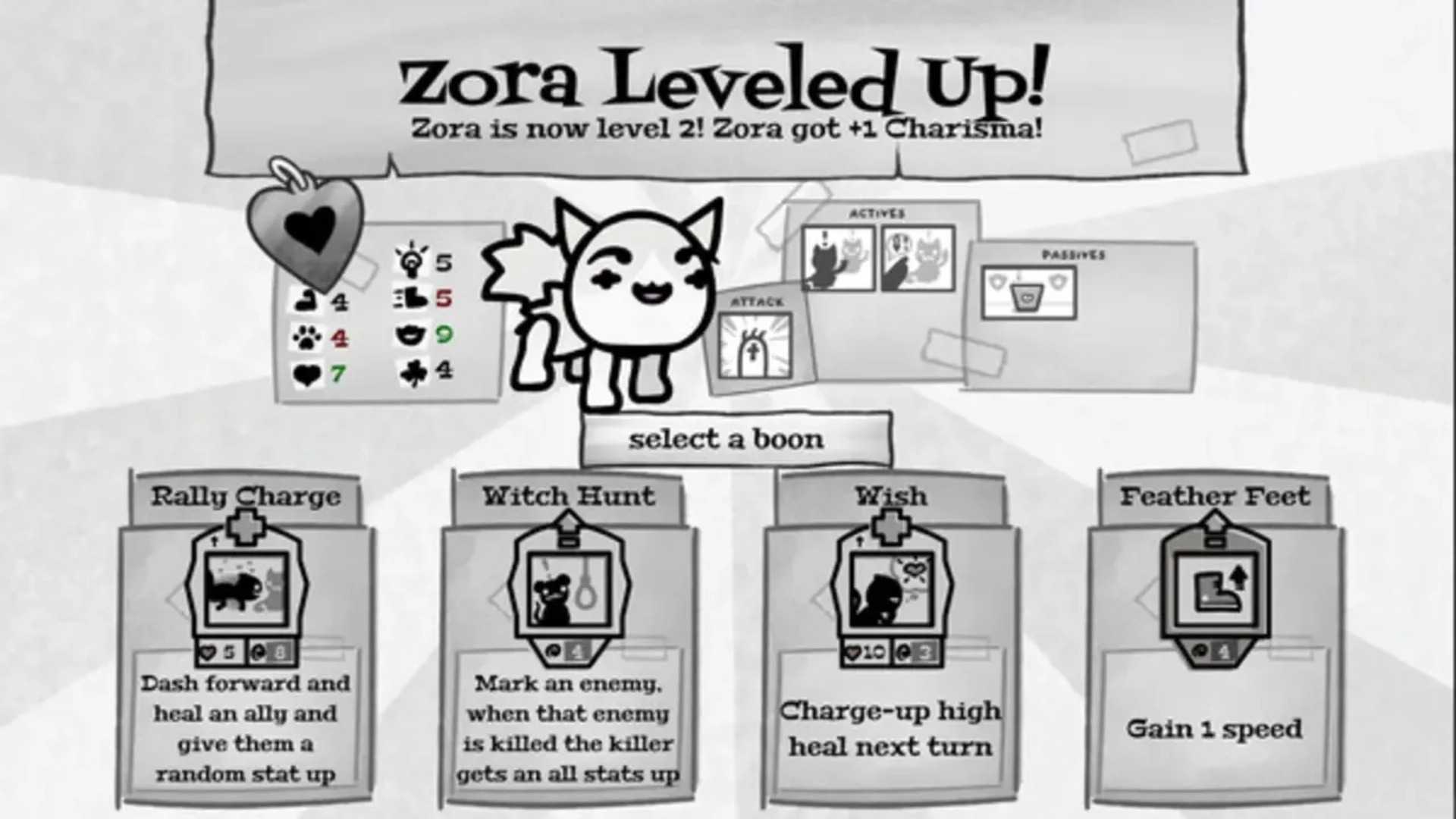
My free time was annihilated the day that Mewgenics entered 1.0 as a complete product. Edmund McMillen and Tyler Glaiel’s incredibly addictive TTRPG roguelike has a lot going for it, but its absolutely absurd progression system might be its most unique selling point.
As its name suggests, Mewgenics tasks players with strategically breeding cats in a semi-random environment. All the player’s cats reside in the same home, and cats in the same room will mate. Kittens have a combination of stats and abilities from each parent, which inform their competence and role on the battlefield. It’s a surprisingly robust system, with considerations made for factors like incest and mutations, which lend the game’s progression a charmingly chaotic feel.
Darkest Dungeon
Don’t Psyche Yourself Out
Darkest Dungeon is incredibly brutal, so much so that a lot of players will bounce off it. I’ll admit it’s not exactly my favorite game in the world, but I respect it quite a bit. It has numerous intersecting systems, moments of genuine surprise, and creative, exciting ideas that I haven’t quite seen replicated since.
At its core, Darkest Dungeon is a party-based RPG wherein recruiting new fighters for your team, keeping them alive, and upgrading them across runs are central to improvement. Given how punishing Darkest Dungeon is, this kind of high-stakes game design is already a bold move, but it’s the game’s unique details, like how characters’ stress levels need to be maintained back at base, that make it that much more memorable.
Clair Obscur: Expedition 33
Pictos Can Make You Broken
In terms of unlockable abilities for party members and the buffs and stats offered by new gear, Clair Obscur: Expedition 33‘s progression is fairly standard. Don’t get me wrong, the unique abilities of each Clair Obscur party member, how different builds can synergize with each other, and the myriad other intricacies of the game’s combat system definitely make progression compelling, but it’s nothing groundbreaking.
That is, until you start really digging into the Pictos system. On the surface, Pictos function like accessories in a standard RPG: they communicate various buffs like a higher crit chance or a passive ability that heals all your allies when you’re downed. There are just three Pictos slots, but after having one equipped for four battles, it becomes a permanent, equippable buff called a Lumina. By increasing Lumina Points (which is fairly easy to do), characters can equip more and more Luminas, leading to seemingly endless build combinations. Through this, Clair Obscur: Expedition 33 lets you grow overpowered while still rewarding you for clever combinations and creativity.

I’m Abhishek Sharma, an author at TigerJek.com. I enjoy exploring games, testing different strategies, and turning what I learn into clear, useful guides. My goal is to help players understand the game better and improve without the usual confusion.