Cozy games tend to bring to mind peaceful farming, fishing, crafting, and making friends in bright, welcoming worlds, but some games hide unsettling secrets behind their cheerful looks. Whether it’s cute creatures living in dangerous places or friendly communities built on sinister traditions, these titles show that relaxing gameplay and dark storytelling can work surprisingly well together.
The best cozy games with unexpectedly dark lore do more than spring a creepy twist on players. Their histories, characters, and revelations give their game worlds a depth that isn’t obvious at first. Some draw on supernatural horror, while others explore grief, isolation, or the damage people leave behind. You might be tending a farm, running a graveyard, or casting a line into unfamiliar waters, only to discover that something much darker is going on.
Slime Rancher
A Colorful Ranch Hiding A Bittersweet History
At first, Slime Rancher seems about as cheerful as a game can get. You play as Beatrix LeBeau, a rancher who heads to the Far, Far Range to collect adorable slimes, build corrals, and sell their Plorts for profit. Spend enough time exploring, though, and a more melancholy story starts to emerge.
GameRant Quiz
Easy (15s)Medium (10s)Hard (5s)
The history of the Far, Far Range comes together through messages, abandoned places, and clues left behind by the people who lived there before Beatrix. Hobson Twillgers’ story, in particular, gives the adventure a bittersweet edge. His experiences show that chasing freedom and adventure can come at a personal cost, even in a world full of colorful, bouncing slimes. Rather than leaning on outright horror, Slime Rancher tells its story through environmental details and lingering regrets. The ranch might look like a slime enthusiast’s paradise, but its empty spaces and scattered messages hint that not every adventure has a happy ending.
Littlewood
A Fantasy World Rebuilding After Its Greatest Battle
Many fantasy RPGs start with a hero setting out to defeat an evil overlord. Littlewood begins after that battle is already over: the hero has defeated the Dark Wizard and saved the world. Now, instead of setting off on another epic quest, players help a community rebuild in the aftermath. The town-building gameplay is peaceful and familiar. You gather resources, put up buildings, and get to know the villagers. But the premise carries a darker implication. This is a world that has already endured a devastating conflict, and its people are trying to put their lives back together.
Littlewood isn’t a horror game, but it offers a different take on fantasy storytelling. Rather than treating destruction as a dramatic backdrop, it makes recovery the focus. Beneath the cheerful presentation is a simple reminder: even a victorious hero can leave a world with a lot of healing to do.
Graveyard Keeper
Running A Business Where Death Is Just Another Resource
Graveyard Keeper takes the familiar management-sim formula and gives it a macabre spin. You look after a medieval graveyard, maintain its grounds, craft items, and deal with people from a nearby village. It doesn’t take long for the game’s dark humor to make clear that this isn’t an ordinary life simulator.
Death sits at the heart of the experience, and grim tasks often become just another business decision. Players work with corpses, harvest useful materials, and even put zombies to work automating certain jobs. Some quests also push you into morally dubious situations, usually with a wink rather than a serious warning.
The game’s dark mechanics fit neatly into its management systems. You can get so caught up in improving the graveyard and growing the business that the disturbing side of the work starts to feel routine. It’s oddly satisfying to optimize your operation, even when that operation involves some questionable practices.
Cult Of The Lamb
Adorable Followers And Horrifying Religious Rituals
-
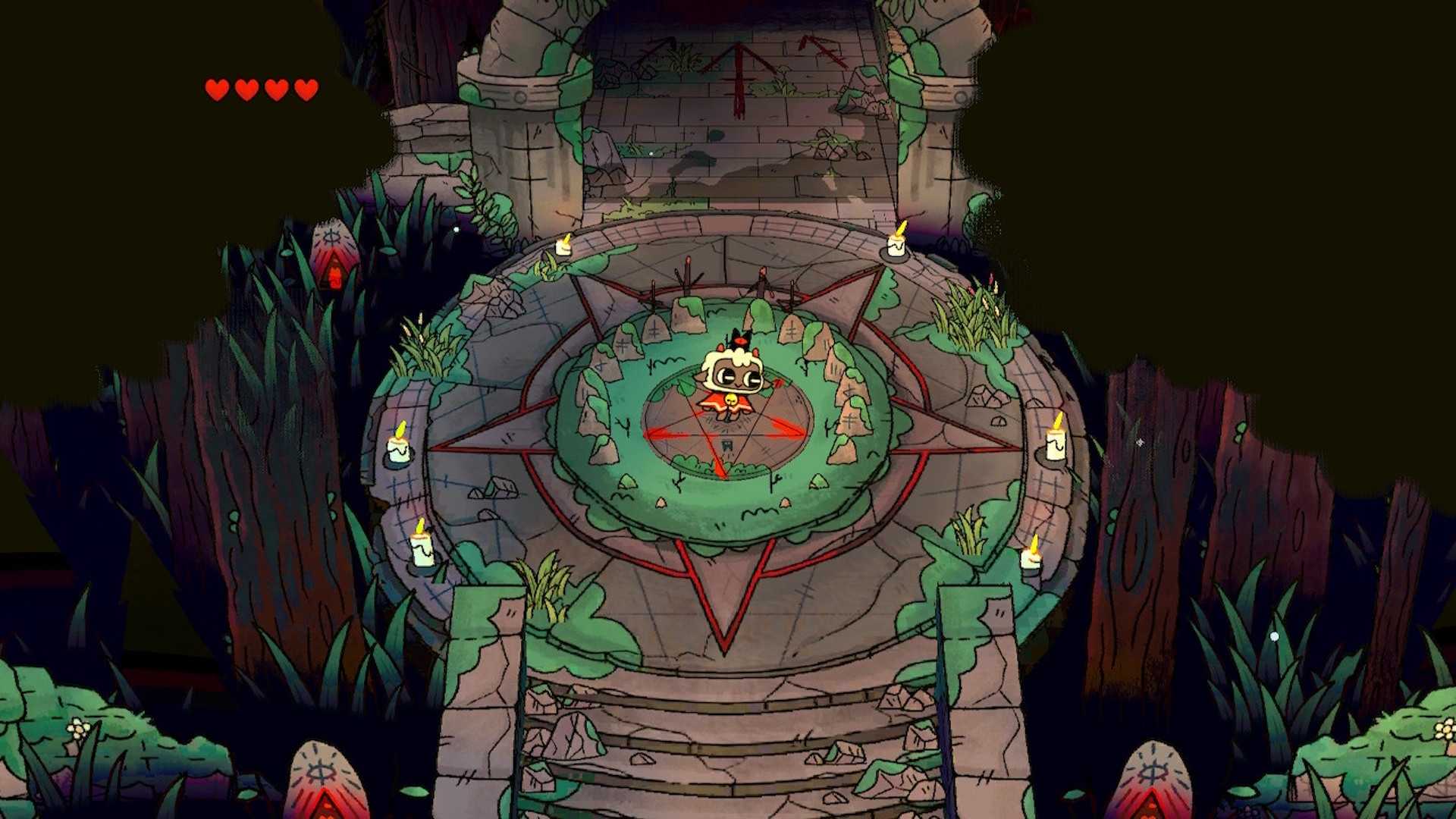
 Image via Game Rant; Source: Massive Monster
-
-
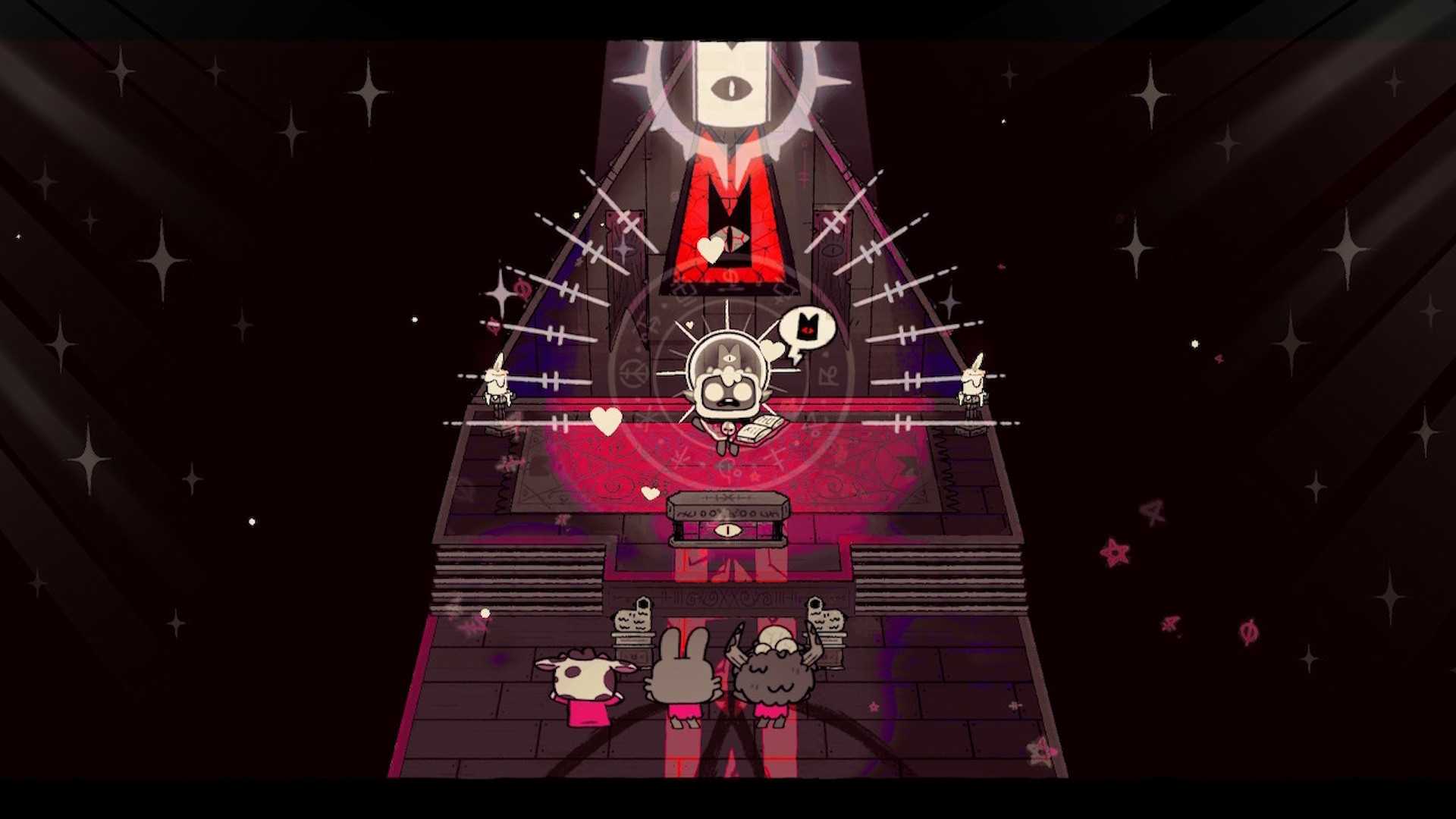
Few games play up the gap between cute visuals and grim subject matter quite like Cult of the Lamb. You control a lamb sacrificed by the Bishops of the Old Faith, then brought back to life by a mysterious imprisoned deity known as the One Who Waits. In return for this second chance, the lamb must build a cult and gather followers. At first, managing the community feels much like it does in other cozy sims. Followers need food, shelter, and attention, and you gradually expand your settlement. The catch is that keeping this seemingly wholesome society running can involve indoctrination, ritual sacrifice, and other deeply unsettling practices.
The supernatural story adds another layer of unease. The lamb’s bond with the One Who Waits raises questions about loyalty, power, and the price of survival, while the rulers of the Old Faith make it clear that this world is anything but kind. The cute art makes the contrast even starker, turning community management into a darkly comic look at religious control.
Dredge
A Relaxing Fishing Trip Turns Into Cosmic Horror
For anyone who enjoys fishing games, Dredge has a particularly effective hook (hehe): it takes a familiar, calming activity and slowly makes it frightening. You start as a fisherman exploring a remote archipelago, catching fish, selling your haul, and upgrading your boat. The fishing loop is satisfying on its own, but the surrounding world soon gives you reasons to be wary of the water. Strange catches, secretive islanders, and odd discoveries all point to something wrong beneath the surface. After dark, the fog makes fishing far more dangerous as supernatural threats begin to appear. Searching for unusual relics draws the fisherman deeper into a mystery that grows more disturbing with every discovery.
Inspired by Lovecraftian horror, Dredge creates a sense of danger that goes beyond ordinary survival. The most unsettling part is the suggestion that the ocean holds forces humans can’t fully understand. It’s a great pick for fishing-game fans who like the idea of a peaceful routine turning into a fear of whatever might be lurking just beyond the boat’s lights.
Don’t Starve
A Whimsical World Designed To Make Survival Miserable
-
-
-
 While Don’t Starve does feature some survival horror elements, its sandbox nature ranks it more among other survival games than games like Resident Evil and Alone in the Dark.
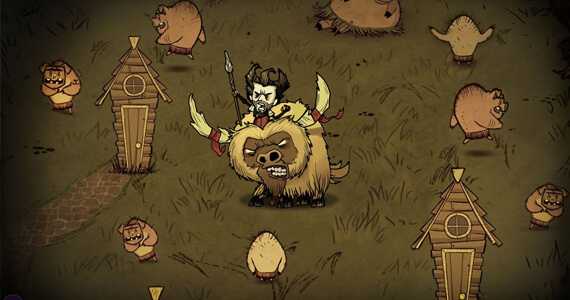
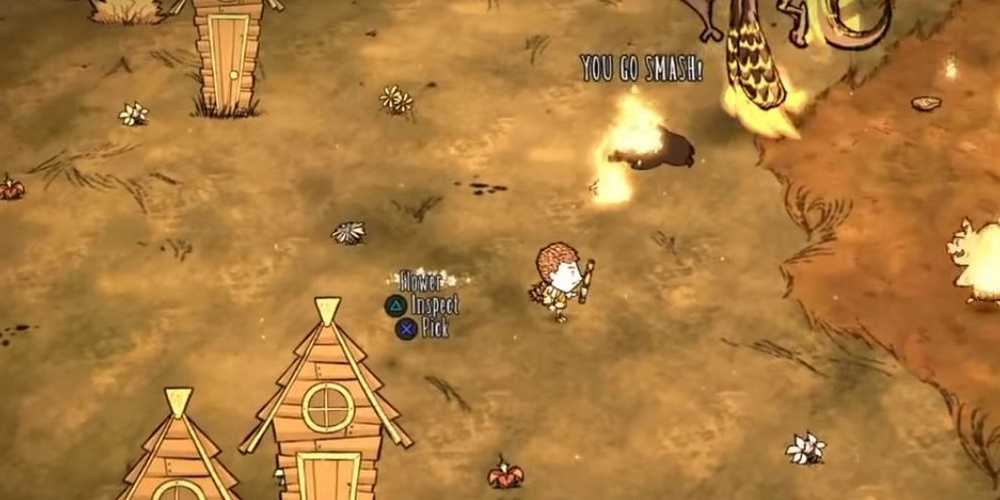
Don’t Starve is one of my personal favorites, and its distinctive art style is a big part of its appeal. The hand-drawn characters and exaggerated creatures can look almost whimsical at first. Then the survival mechanics kick in. You have to manage hunger, health, and sanity in a world where nearly every decision can put you in danger.
The Constant, the strange world where the game takes place, is full of hostile creatures, supernatural threats, and unsettling secrets. Exploration brings players face to face with dangers far stranger than ordinary wildlife. As sanity drops, terrifying shadow creatures can appear, and the world’s mysteries hint at forces much more sinister than the usual fight to stay alive.
Spiritfarer
A Heartwarming Journey Through Death And The Afterlife
Spiritfarer looks like a cheerful management game about sailing between islands, gathering supplies, and helping friendly spirits settle into new homes. You play as Stella, a ferrymaster who cares for the dead before helping them move on to the afterlife. Beneath the colorful art and relaxed pace, though, is a story about grief, mortality, and how hard it can be to say goodbye.
Every spirit who joins Stella’s boat has their own personality, history, and unfinished business. As you get to know them, you uncover stories about difficult relationships, regret, illness, and the many ways people experience loss. The passengers may look like charming animal characters, but their experiences touch on some of the hardest parts of being human.
Night In The Woods
A Quiet Hometown Hiding A Disturbing Mystery
Night in the Woods opens with a situation that may feel familiar: after a major change in her life, Mae Borowski drops out of college and returns to her hometown of Possum Springs. She reconnects with old friends and tries to work out where she fits in a town that has changed a lot while she was away. The colorful animal characters, casual conversations, and small-town setting make it look like a laid-back narrative adventure, but a much darker story is waiting underneath.
As Mae explores, strange events begin to pile up, and she learns more about the problems facing the people around her. Possum Springs is struggling with economic decline, fewer opportunities, and the feeling that its best days are behind it. The deeper Mae digs, the more the story moves beyond a personal tale about growing up and into a mystery involving missing people and secrets buried within the community.

I’m Abhishek Sharma, an author at TigerJek.com. I enjoy exploring games, testing different strategies, and turning what I learn into clear, useful guides. My goal is to help players understand the game better and improve without the usual confusion.