I adore Dragon Ball, and I adore Dragon Ball games, but the franchise rarely rewards that love with quality. Any DBZ fan who grew up in the 90s or 2000s has poured time, sweat, and money into Goku’s worst or most mediocre adventures, ones that don’t come close to the quality of Raging Blast or Burst Limit, let alone Budokai or Xenoverse. Still, to appreciate the true greats like FighterZ and Budokai Tenkaichi 3, we also need to acknowledge the painful failures that came before and after them.
Like most things, even the worst Dragon Ball games have a few positives, though they don’t remotely make up for the negatives. We are talking about projects that often look terrible, play worse, and offer very little worthwhile content. Let’s take a trip through history and remember those times when becoming a Super Saiyan sucked beyond belief.
7
Dragon Ball Z: The Legacy of Goku Is Worse Than You Remember
An Awful DBZ Game That, Somehow, Led To Two Masterpieces
-
 Image by GameRant; Source: Infogrames
 -
 Image by GameRant; Source: Infogrames
 -
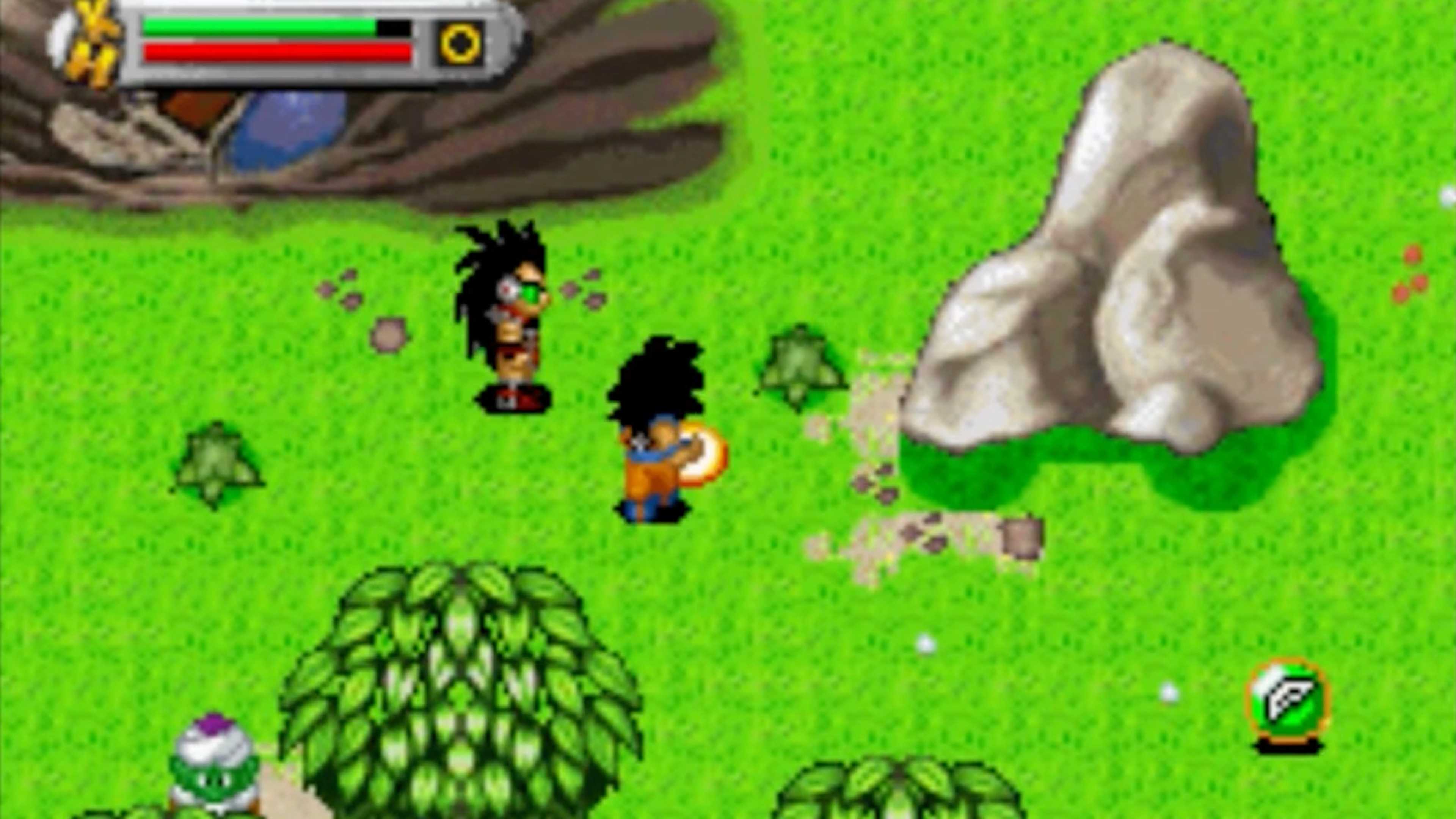
- GBA action RPG by Webfoot
- Positives: The visuals look nice and lay the groundwork for its sequels. I guess the invincibility cheat code makes the game slightly fun.
- Negatives: Everything else. Melee combat is straight-up not viable, forcing you to snipe from a distance and turn every encounter into a slog. Also, this means that Goku gets his behind whooped by wildlife.
Don’t be swayed by The Legacy of Goku name; Webfoot’sfirst attempt to translate DBZ into an isometric action RPG was a near-complete failure. Many all-time great trilogies start with a rough but decent outing, but that’s not what happened here. Frankly, it’s a miracle the sequels are so amazing, because the developer had a lot of work to do to get there (and kudos to Webfoot, as the other entries really are incredible).
The Legacy of Goku has a broken combat system that strips you and Goku of any sense of power: your hits don’t flinch (or stun) enemies, so you get counterattacked constantly. As a result, you must rely on Ki Blasts, turning battles into tedious shootouts where Goku runs around, hoping not to get hit. This limitation extends to basic acts like flying, as Goku can only stay in the air briefly before running out of Ki.
Despite lasting only about 3 hours, The Legacy of Goku has so much filler that doesn’t suit Dragon Ball Z at all. You want to know what the game’s first quest is? The one that raises Goku’s level for the first time? He runs around Kame House searching for Master Roshi’s lost dirty magazines. I mean, I can see that happening in the anime, but that’s not exactly an exciting way to kick things off.
6
Dragonball Evolution Is Somehow Better Than The Source Material
Yet, It Is Still One Of The Worst Dragon Ball Games Of All Time
-
 Image by GameRant; Source: Namco Bandai Games
 -
 Image by GameRant; Source: Namco Bandai Games
 -
 Image by GameRant; Source: Namco Bandai Games
- PSP fighting game by Dimps
- Positives: Compared to the other DBZ games in this article, Evolution has the best combat by a mile. You get to fight as Chow Yun-Fat.
- Negatives: The Dragonball Evolution stink is too much to shake. The roster has no appeal besides Chow Yun-Fat, the character models are uncanny, the arenas are sterile, and the story mode has absolutely nothing going for it.
I imagine most people expected this one to make the cut, although perhaps not this low. Dragonball Evolution delivers exactly the low-quality experience that you’d expect from a video game based on the worst release in the franchise; however, it doesn’t play that terribly, at least not compared to the other fighters in this article. The same studio behind the Budokai series made it, and that pedigree shows in the responsive controls, aura bursts, and satisfying sound.
You need more than an echo of a solid combat system to craft something worthwhile, and this game drags Dragonball Evolution‘s rotting skin over Budokai‘s skeleton. Yes, a few characters play fine, but that doesn’t matter when you don’t want to use any of them (except, again, Chow Yun-Fat, and only because of the actor). This isn’t even Temu Dragon Ball; it’s something else entirely.
5
Ultimate Tenkaichi Has The Worst Combat System Of Any DBZ Game
Sir, How Dare You Use The Tenkaichi Name
- An Xbox 360 and PS3 fighting game by Spike.
- Positives: Ultimate Tenkaichi‘s graphics, music, and cinematic direction are top-notch; in fact, it is still one of the most visually striking DBZ games of all time. The Story Mode’s cutscenes are very good, and Hero Mode lets you create a new character and play through a parallel narrative.
- Negatives: A Rock-Paper-Scissors combat system that turns every strike into 50/50 guesses and QTEs. Also, every single fight feels exactly the same. Check out the 1-minute intro clip; congrats, you’ve seen everything Ultimate Tenkaichi has to offer.
Have you ever met a combat system that instantly made you regret purchasing its game? Dragon Ball Z: Ultimate Tenkaichi might be the best example of that phenomenon, since you only need about a minute to realize that mistakes were made. Don’t be fooled by its cynical title, the seemingly 3D arena combat, or even the kinetic battle flow; this disaster has nothing to do with Budokai Tenkaichi, and its battles basically run themselves.
Even with a few things going for it, Ultimate Tenkaichi‘s combat makes it a complete non-starter. During battles, basic punches or Ki Blasts only exist to build up a clash gauge. Once maxed out, the game steals control, runs a cinematic, and asks you to pick between a Light or Heavy Attack. Depending on the enemy’s response, your move will either land, be blocked, or be countered. Yeah, it’s just a QTE.
That routine repeats dozens of times per battle, and it gets old within 5 minutes. Even though the roster is relatively big, every character feels the same, whether it’s Goku, Yamcha, Majin Buu, or even your created Saiyan.
4
DBZ: For Kinect Is Exactly As Terrible As It Sounds
You Aren’t Goku
- An Xbox 360 fighting game by Spike Chunsoft.
- Positives: The disc came with Episode of Bardock, bringing it to Western fans for the first time. The cel-shaded visuals are good; overall, the presentation is top-notch.
- Negatives: I mean, do I need to say it? It’s in the title.
In retrospect, Dragon Ball Z: For Kinect was destined to be a train wreck, but there was a sliver ofhope before its release. In theory, motion controls that let you truly feel like Goku (and Yamcha) sound enticing, but the Kinect simply didn’t have the technology to pull it off, and Spike and Bandai Namco didn’t manage to make it work.
Impressively, DBZ: For Kinect reused assets from Ultimate Tenkaichi to create something worse, with even fewer redeeming features. The motion controls just don’t work. The camera struggles to track limb movements, punches often result in dead air, and super attacks require poses that the Kinect rarely registers. Instead of feeling powerful, you end up punching haphazardly in the air like a fool, hoping something happens and that you don’t hurt yourself in the process.
3
Dragon Ball: Taiketsu Looks Like A Mistake
It Plays Like One, Too
-
 Image by GameRant; Source: Atari
 -
 Image by GameRant; Source: Atari
 -
 Image by GameRant; Source: Atari
- A GBA fighting game by Webfoot.
- Positives: 15 playable characters is a respectable roster for a GBA fighter. The game has some replay value through the Z-Store, which lets you pick up points to unlock characters and other collectibles. Every character has a unique Tournament mode ending, although it is just text over a background.
- Negatives: The ugliest Dragon Ball game of all time, and that’s saying something. Don’t worry, though, the combat is even worse.
I don’t want it to seem like I’m picking on Webfoot, especially since The Legacy of Goku 2 and Buu’s Fury areundisputed classics. Heck, the developer also made Dragon Ball GT: Transformation, the sequel anime’s only good game. Unfortunately, Dragon Ball: Taiketsu is baffling.
Now, to Webfoot’s credit, this monstrosity came from a desire to go against the norm by making a GBA game that uses 3D CGI models instead of 2D sprites. Tekken Advance proved that this art style had a place on Nintendo’s handheld, but that magic is nowhere to be found here. Even under the best modern conditions, Taiketsu looks wrong, so imagine how it must have looked on the original GBA’s non-backlit screen. The characters’ proportions are completely off, with Vegeta resembling a bobblehead clay figure.
Bad graphics aren’t the end of the world, but a fighting game cannot survive inconsistent hitboxes, infinite juggles, unresponsive controls, and a poorly implemented flight system.
2
Dragon Ball GT Deserves Better Than Final Bout
The Worst PS1 Fighting Game? Probably
- A PS1 fighting game by Tose.
- Positives: The intro slaps. Seriously, I’m glad the game exists solely for it. The first playable version of SS4 Goku.
- Negatives: The controls are so stiff, slow, and unresponsive that you feel like you are fighting underwater.
Oh, boy, this blast from the past. I played a ton of Dragon Ball GT: Final Bout back on the PS1, mostly because my copy of Dragon Ball Z: The Legend stopped working after a while. When you are starving, you can eat anything and convince yourself that you like it.
Final Bout is painful. By 1997, we had great 3D fighters, so something this inexplicably bad shouldn’t exist. Because of terrible input lag and a camera that occasionally shifts to a jarring “cinematic” angle, you rarely feel in control, especially since you can’t rely on the hit detection to do its job. Nothing about the combat comes together, and Final Bout is at its worst when you are actually in the middle of a fight.
Still, you can’t go wrong with that intro.

Click on the game with the higher OpenCritic rating.
1
Dragon Ball Z: Sagas Makes Saiyans Lame
The Worst DBZ Game Because It Should Have Been So Much More
-
 Image by GameRant; Source: Atari
 -
-
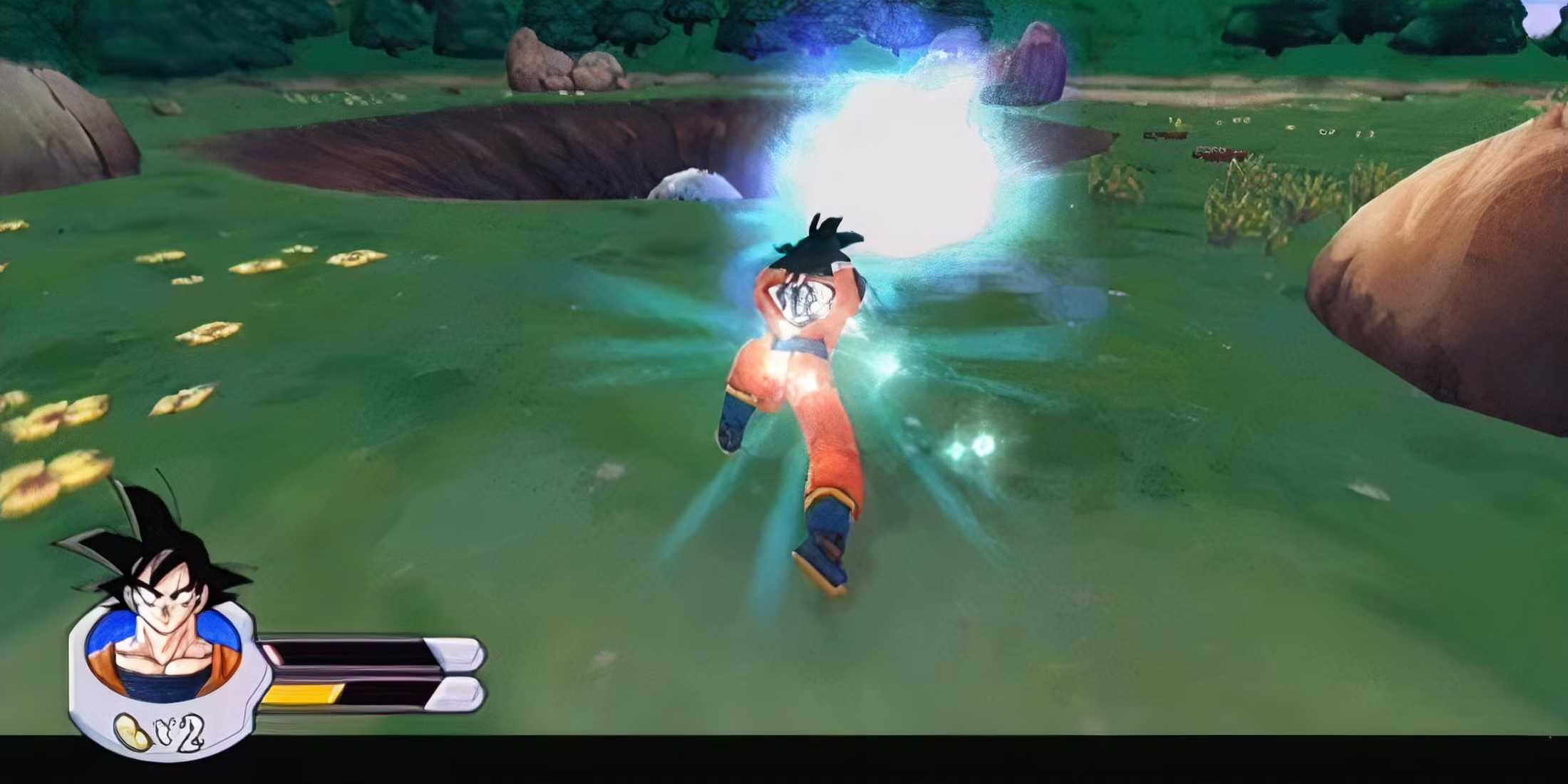
- A PS2, GameCube, and Xbox game by Avalanche Software. Yes, the Hogwarts Legacy developer.
- Positives: The campaign supports co-op, which is nice. The soundtrack rocks, too.
- Negatives: Clunky, repetitive combat that makes you feel weak as heck. Also, the campaign lasts only a couple of hours, which isn’t acceptable for an action-adventure game.
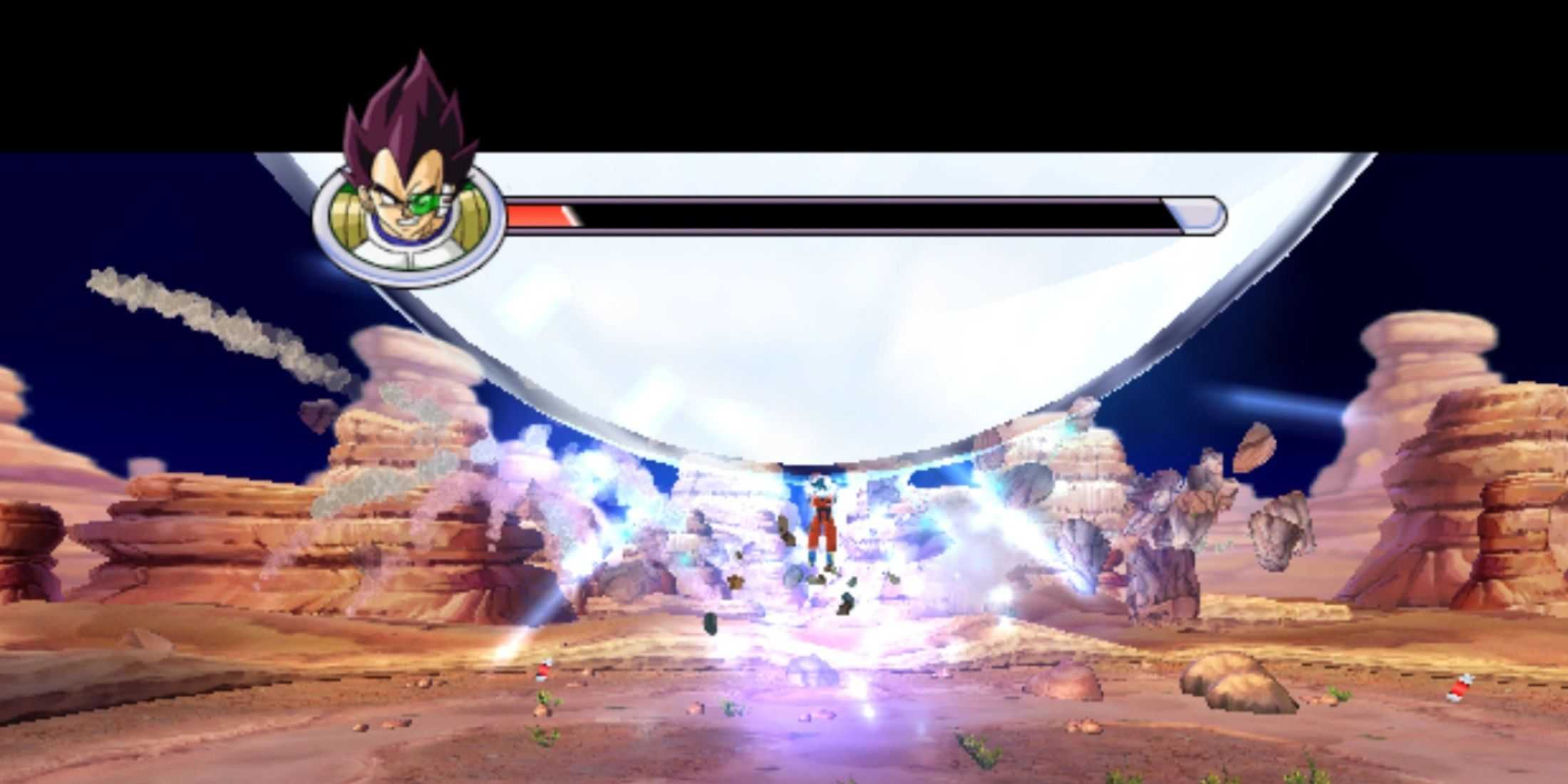
Gameplay-wise, Taiketsu and Final Bout are the worst Dragon Ball games, but they are at least part of a genre with plenty of solid alternatives. Before DBZ Kakarot, DBZ: Sagas was the franchise’s only modern action-adventure attempt, and it flopped so spectacularly that we got almost nothing but arena fighters for the next 15 years. In 2005, fans yearned for a true epic adventure that broke free of the fighting genre’s constraints, and DBZ: Sagas was the Monkey’s Paw version of that wish.
In a series known for its bombastic set pieces and larger-than-life characters, Goku has never felt more ordinary than in Sagas, running through glorified corridors while throwing limp Ki blasts at Saibamen and Cell Juniors. You have only a couple of attack options and basically no combo options or depth, and every move feels like a lead weight. Enemies also have absurd armor that strips Goku and Vegeta of their power, making them seem weak as heck.

I’m Abhishek Sharma, an author at TigerJek.com. I enjoy exploring games, testing different strategies, and turning what I learn into clear, useful guides. My goal is to help players understand the game better and improve without the usual confusion.