As much as I love a good turn-based RPG, I can understand why a lot of gamers bounce off them. On the surface, they aren’t as consistently engaging as, say, an action game or FPS; often, it takes time for someone to warm up to the genre.
But every turn-based fan can likely think of at least one game that they would recommend to anyone. A turn-based game with mass appeal usually has something special going for it, like a unique gimmick or unusual mechanic, but it will also, in many cases, be defined by a quality over quantity approach. Indeed, turn-based games tend to land on the longer end of the playtime spectrum, but the best of them manage to maintain consistently strong artistic merit and entertainment value from start to finish.
Atlus’ Magnum Opus
Like most Atlus RPGs, Metaphor: Refantazio is a beefy game. An average playthrough can easily run north of 80 hours, or even longer depending on the difficulty level, and that’s not all attributable to side content: Metaphor: Refantazio‘s story is epic in scale, and long enough to sustain numerous dramatic twists and turns.

Click on the game with the higher OpenCritic rating.
A game can certainly have too much content, but Metaphor: Refantazio ensures that its hulking size remains a strength rather than a weakness. Much of this comes down to some of the best writing Atlus has ever penned, as well as the compelling Archetype system, which is more satisfying than its predecessor, the Persona system. Atlus’ calendar-based structure is also arguably at its best in Metaphor, which balances constraint with an excess of player freedom.
Clair Obscur: Expedition 33
Enough Magic to Capture the Masses
-
 Image via Sandfall Interactive
 -
-
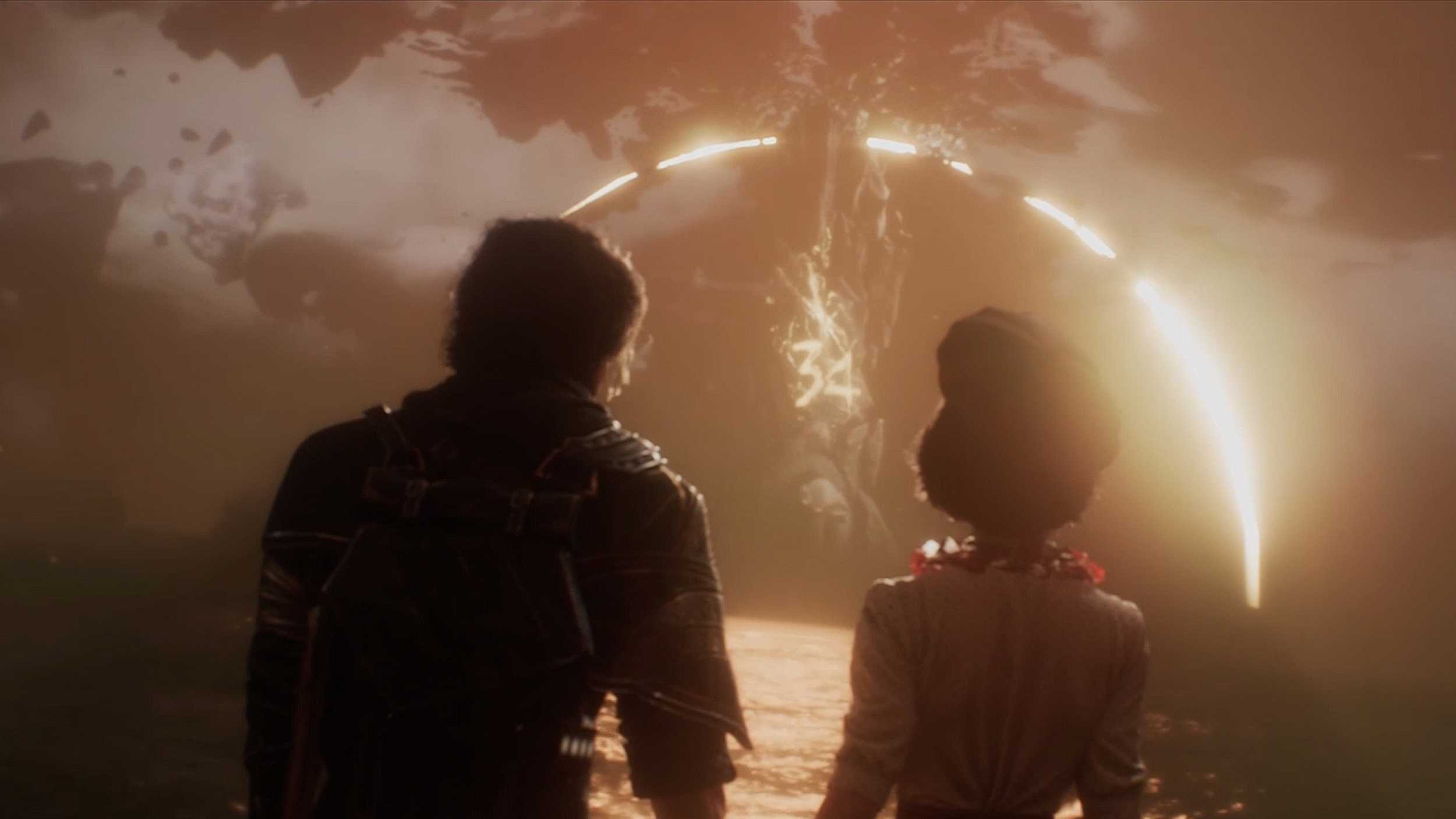
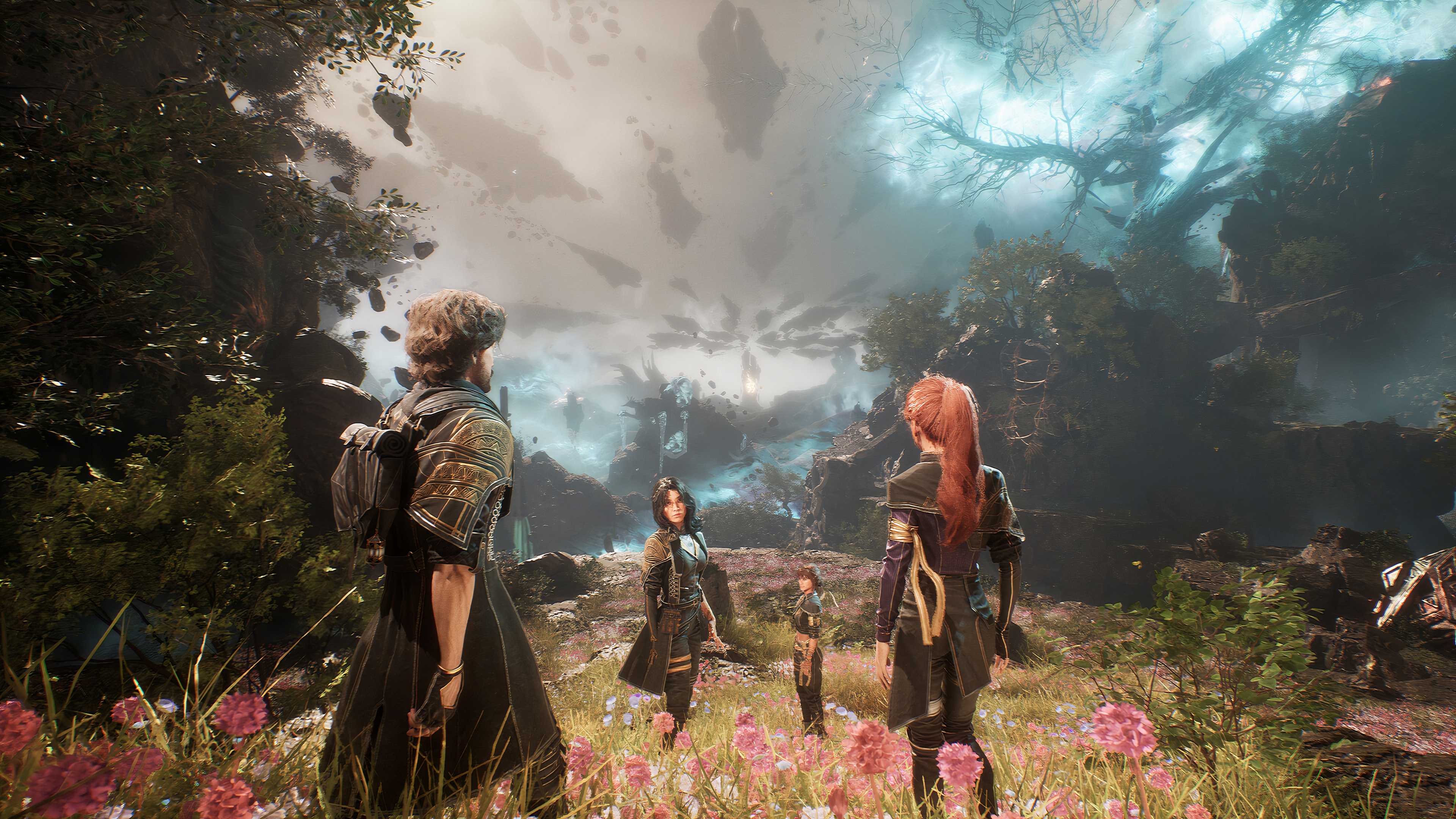
As previously mentioned, turn-based games don’t often break through their genre membrane and into the mainstream. But when a turn-based game does reach a wider-than-usual audience, it’s usually a sign of something special. Few games prove this notion better than Clair Obscur: Expedition 33, which is easily one of the most inspirational and surprising indie games of all time.
Developer Sandfall Interactive’s underdog story is fascinating enough, but it’s not why Clair Obscur is worth playing. Its visually and narratively alluring world sinks its teeth in you from the outset, and while it’s not perfect (for instance, the dialogue is sometimes awkward, unnatural, or bland), Clair Obscur‘s storytelling continues to deepen and intrigue until its explosive climax. Couple this with turn-based combat that is genuinely some of the best that gaming has ever seen, and Clair Obscur can safely be categorized as a must-play for all demographics.
Final Fantasy 10
An Unforgettable Classic
If you played Final Fantasy 10 as a kid and think that your love for it boils down to nostalgia, boot it up today and think again: the game absolutely holds up to modern scrutiny, more than most other, older Final Fantasy titles. Its story and world are also among the franchise’s best, and its combat still feels fresh, fast-paced, and expressive.
Like Clair Obscur, Final Fantasy 10 uses its main party as a two-pronged tool for success. Naturally, the charm of characters like Tidus, Yuna, and Wakka gives the game a sense of likability, not to mention stakes—you tend to be more concerned about the fates of interesting characters. But also, each character’s personality is reflected in their combat abilities. For example, Tidus is an ideal attacker and support character, while Yuna can wreak havoc, but only indirectly via her summons. The result is a turn-based RPG with exceptional team synergy and flow.
Chrono Trigger
Timeless Adventuring
-
 Image via Steam
 -
-
 Image via Nintendo
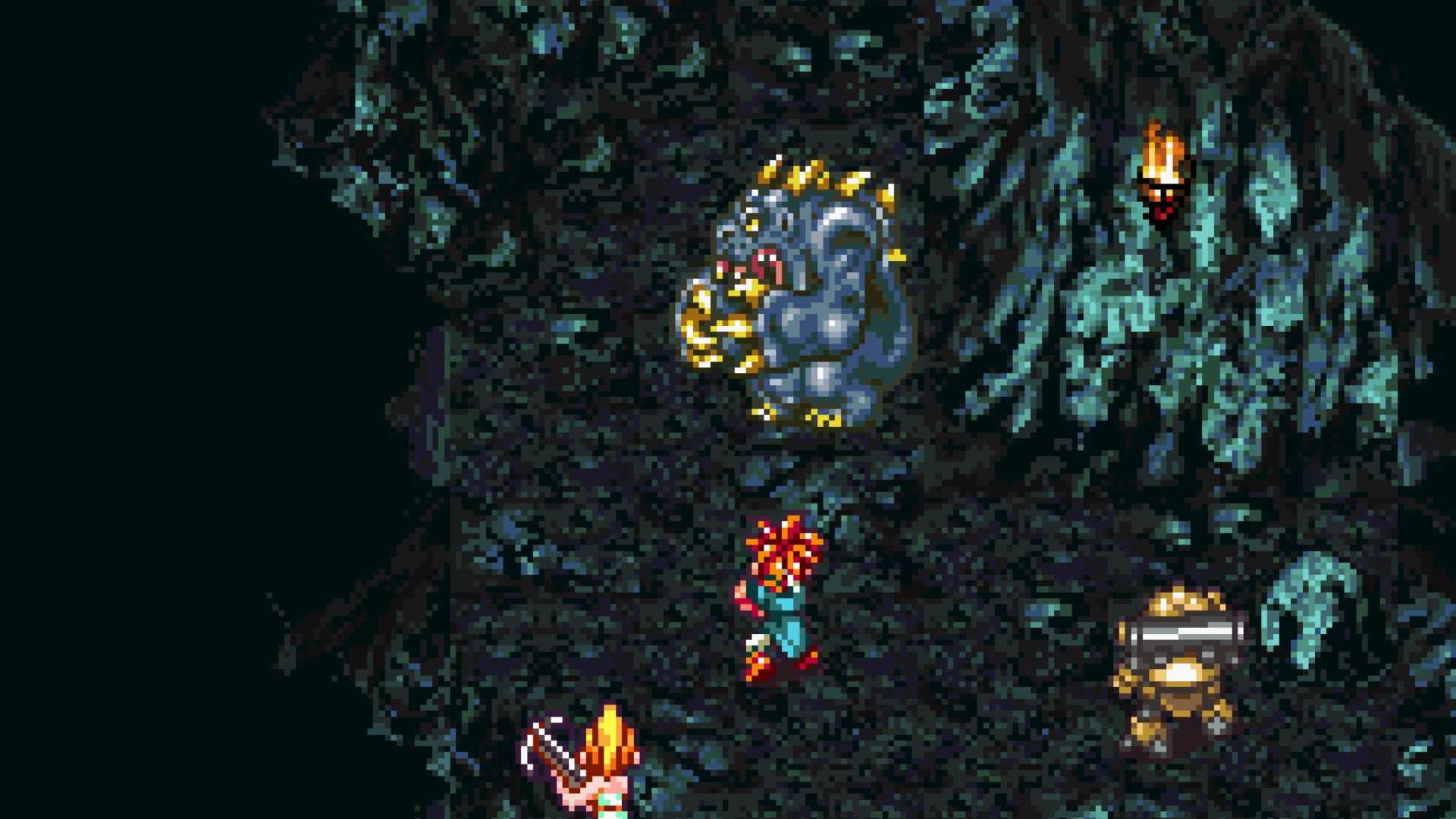
As is the case with so many classic video games, it’s hard to imagine a world without Chrono Trigger. The 1995 SNES exclusive wasn’t the first turn-based RPG, nor was it the first to enjoy mass popularity (Dragon Quest 3, for instance, released seven years earlier); however, it was among the first RPGs to suggest a greater, more bombastic, and elevated future for the genre.
A combination of striking art design that still influences games today, simple but satisfying combat mechanics, an unpredictable and colorful story, and one of gaming’s best soundtracks has kept Chrono Trigger as relevant as ever. If you’re looking for them, you can certainly point out areas where the game might be dated, but even so, it’s an experience that’s more than the sum of its parts, like so many of the medium’s best entries.
Baldur’s Gate 3
Unbelievable Scope and Attention to Detail
-
 via Larian Games
 -
 via Larian Studios
 -
 Baldur’s Gate 3
Larian Studios
Before Clair Obscur: Expedition 33 came along, Larian Studios reminded audiences of the draw that a turn-based game can have with Baldur’s Gate 3, a 2023 release that many consider one of the best video games ever made. I could sing this game’s praises until the cows come home, but perhaps its greatest achievement, in my view, is its reactivity, which lets it adapt to even the most unusual player choices. It really is the closest that video gaming has ever come to emulating a real-life Dungeons and Dragons campaign.
Baldur’s Gate 3 is most often lauded for its writing and RPG systems, but its turn-based combat is nothing to sneeze at, either. It’s more of a tactical RPG than the previous entries on this list, with positioning and the environment playing bigger roles. This means that there’s more to consider on the player’s end, but it also opens the door to more creative, outside-the-box problem-solving, which deepens the game’s overall mechanical depth.
Dragon Quest 11: Echoes of an Illusive Age
A Gleaming Entry in One of the Greatest JRPG Franchises
While it would be hard to call Dragon Quest 11 especially complex from a mechanical standpoint, its world, style, and atmosphere make it easy to love. Even if Dragon Quest 11 isn’t much of an under-the-hood improvement from previous entries, its panache, flair, and artistry make it an easy recommendation for fans of the franchise as well as newcomers.
If Dragon Quest 11‘s visuals look familiar to you, that may be because legendary Dragon Ball artist Akira Toriyama served as the game’s character and monster designer before his passing in 2024.
Much like how Super Mario Bros. 3 is supposed to be a stage play, Dragon Quest 11 seems to understand exactly what it is. Its flamboyant characters, incredible orchestral soundtrack, and absurd cutscenes all come together in a heightened, anime-like deluge that’s simply impossible not to smile at. This effortless, but nevertheless expertly crafted, charm is what keeps Dragon Quest 11 compelling throughout its sizable campaign.
Final Fantasy 7
You Can’t Top the Original
I absolutely love the Final Fantasy 7 remake games—truly, I do. I think that they are prime examples of what AAA gaming can be when a top-quality, well-financed team is let off the chain, so to speak. But nothing will ever match the unbridled magic, surprise, and X-factor appeal of the 1997 original.
Sure, some of this can be attributed to era and circumstance: gamers in the 90s had never quite seen the likes of Final Fantasy 7, as 3D gaming was very much in its infancy during this time. But it’s also telling that many of the best, most crucial aspects of the Final Fantasy 7 remakes, such as its characters, lore, story, and quasi-steampunk aesthetic, are all mostly unchanged from the 1997 game. And with a far shorter runtime, there’s definitely something to be said about the more focused nature of this game compared to its modern reinterpretations.

I’m Abhishek Sharma, an author at TigerJek.com. I enjoy exploring games, testing different strategies, and turning what I learn into clear, useful guides. My goal is to help players understand the game better and improve without the usual confusion.