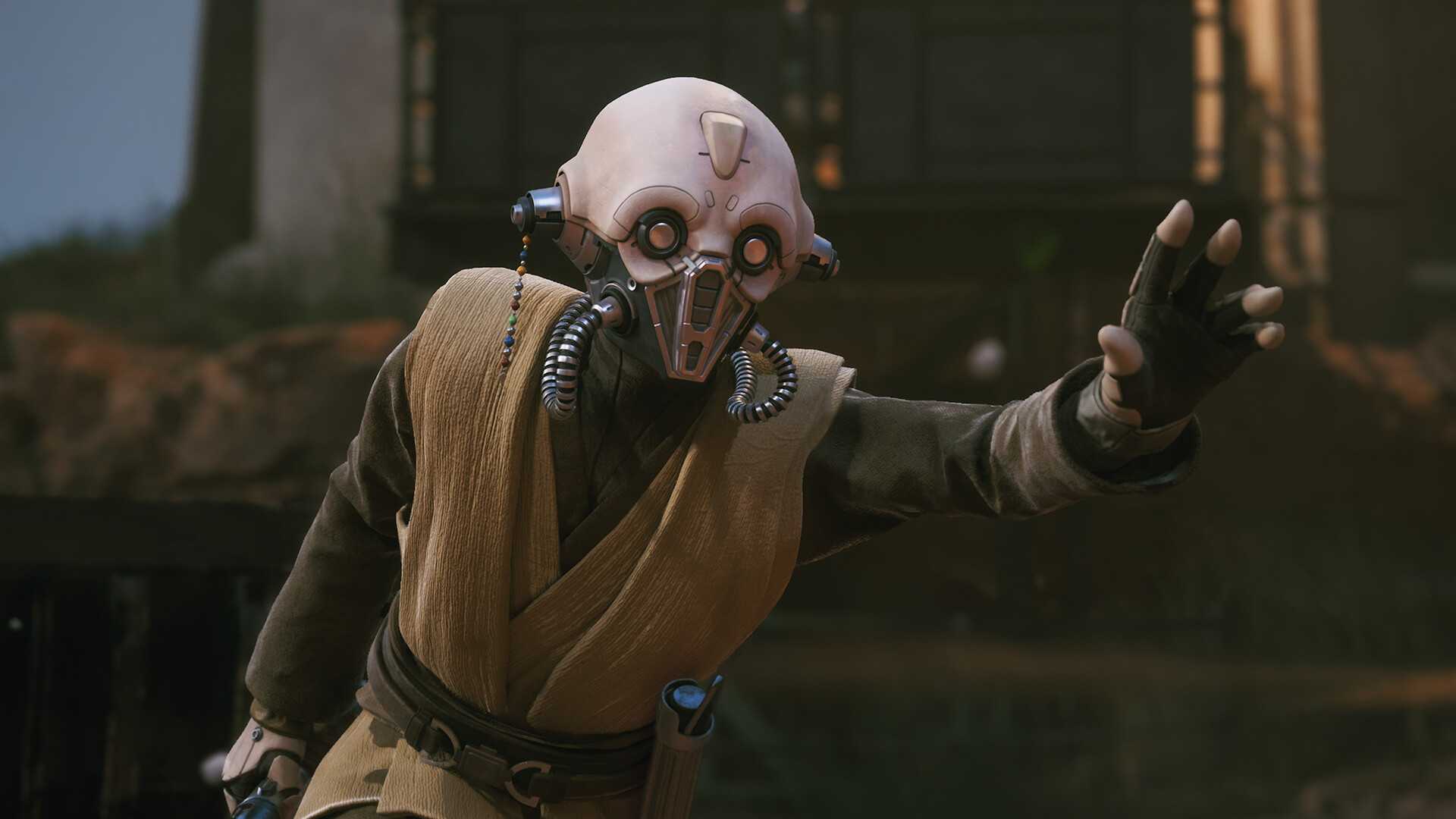
Star Wars Zero Company launched on August 27 to near-universal acclaim, and given its quality and clear aspirations beyond a merchandising exercise, it’s not hard to see why. With an 86 on Metacritic, it’s actually become the highest-rated Star Wars game in 22 years, even ahead of excellent titles like Star Wars Jedi: Survivor and LEGO Star Wars: The Skywalker Saga. Yet most of the team that built Star Wars Zero Company was not being paid when those reviews went live, and that’s more than a little frustrating to find out.
According to reporting from Game File, developer Bit Reactor furloughed the bulk of its staff two weeks ahead of Zero Company’s launch, leaving “most” of its developers technically employed, though drawing no salary and holding jobs with no return date. The studio’s stated hope is that strong sales will allow it to restore pay, which turns the performance of a finished game into the condition for its makers to be paid for completing it. What’s worse: though this bar was likely already cleared, nothing about the situation has changed publicly, at least not yet.
The Best-Reviewed Star Wars Game in 22 Years Couldn’t Make Payroll
-
-
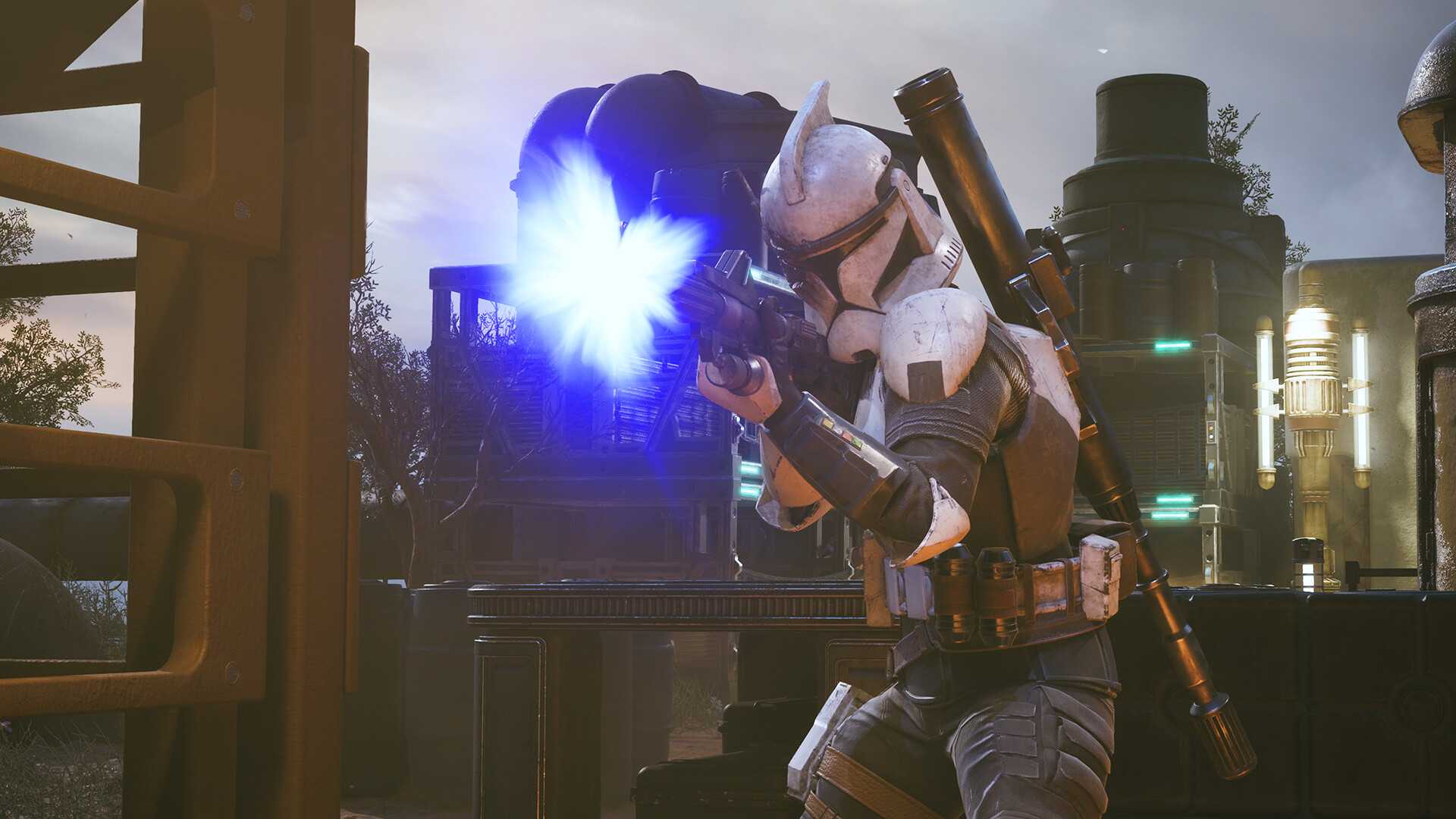
 Image via Electronic Arts
 -
The context here: Zachariah Scott, a senior technical artist at Bit Reactor from early 2023 until his exit in May, put the furloughs into public view with a LinkedIn post over the weekend. An August 12 filing in a 2024 lawsuit brought by co-founder Alison Kelly had already stated that the company furloughed most of its employees and terminated its contractors. Until very recently, that filing was the only reason the detail existed on any record.
A Bit Reactor representative has since confirmed the furloughs when Game File asked for comment on August 31, describing a difficult decision made by Bit Reactor alone before anyone knew how Zero Company‘s launch would go. The representative declined to give a number, though one source told Totilo the furloughs affected 80 percent of the team, and another described a skeleton crew left on payroll to handle post-launch bugs. That report traced the cause to a studio that had run out of most of its money just ahead of shipping its first game.
The Furlough Bar Has Been Cleared
-
 Image via Steam
 -
 Image via EA
 -
By that measure, this should already be a solved problem, given Star Wars Zero Company debuted atop Steam’s best-selling chart and currently sits third behind The Blood of Dawnwalker and Counter-Strike 2. But Bit Reactor has issued no public statement of its own, and there is no indication that anyone has been brought back onto payroll. Buying the game was the one lever available to anyone outside the studio—albeit unknowingly to the consumer—yet even though enough people pulled it to settle the commercial question, it has not resolved anything.
And though it’s more of a distasteful chaser than a functional detail, Bit Reactor co-founder Greg Foertsch was out and about at Gamescom, discussing the title’s success and what Bit Reactor might build next during most of this time. Electronic Arts, Disney, and Bit Reactor’s own senior staff spent most of the launch week celebrating the scores across social media. None of them mentioned that none of them mentioned that most of the people truly deserving of praise had stopped receiving paychecks.
This Furlough Escalates 2026’s Worst Trend
Though furloughs and layoffs are indeed two different things, there’s clearly a link here between this and the rest of the mud and blood the games’ industry has faced this year. In practice, the people responsible for finishing Star Wars Zero Company have had their return tied to how well it sells. They’ve carried risk with the product they delivered, one they no longer control—and even still, it might not prove good enough to save them their livelihoods.
Totilo reported that workers were less confident than management that everyone furloughed would get their old job back. Scott, who reportedly spoke with nearly a dozen Bit Reactor workers and found their accounts consistent, has argued that the timing pushes furloughed staff to hunt for other work while cutting them off from any profit sharing the game’s post-release performance might have generated:
It is a gross but all [too] common sight to see, another corporate game hitting the top of steam while the team is left looking for work and cut off from any possible profit sharing.
$55 Billion Didn’t Solve This Payroll Problem


The background circumstances of Zero Company‘s publisher, EA, is an important piece of frustrating context. On August 4, three weeks and two days before Star Wars Zero Company launched, Electronic Arts completed its sale to a consortium of Saudi Arabia’s Public Investment Fund, Silver Lake, and Jared Kushner’s Affinity Partners. The roughly 55 billion dollar transaction became the largest leveraged buyout on record.
Rearrange the covers into the correct US release order.
Rearrange the covers into the correct US release order.
Easy (5)Medium (7)Hard (10)
This buyout and the furlough of Zero Company‘s development team aren’t necessarily connected; again, Bit Reactor has explicitly said the furlough decision was its own. But the contrast is incredibly difficult to ignore, especially when EA is reportedly already planning mass layoffs. Billions of dollars can move through the business side of the games’ industry in the same month that the people doing the actual work are asked to absorb the financial risk.
Larger Contexts

Zero Company‘s furlough trouble does not exist in a vacuum, either: Ubisoft cut 51 jobs at its Barcelona studio around the July launch of Assassin’s Creed Black Flag Resynced. Refactor Games cut 85 percent of its staff two months after shipping FIFA World Cup: Launch Edition, a game Netflix had publicly called a success, with its co-owner said to have pulled funding after launch. Zero Company certainly isn’t the first, and it probably won’t be the last, but right now, it’s the most recent example of what this contraction looks like from inside a studio that did the job well.
The ASGC Games Industry Layoffs Tracker, maintained by Tencent Games business development director Amir Satvat, now forecasts 14,666 game industry job cuts for 2026; an 83 percent upward revision from the 8,025 the tracker projected in January, putting this year within reach of the record 15,631 set in 2024.
Success and Job Security Aren’t Going Hand-in-Hand Anymore
Every outlet that covered Star Wars Zero Company at launch, GameRant included, had good reason to celebrate it—I mean, I’ve already put 36 hours into Zero Company, and it’s barely been out for more than a week. But the idea that most of the people responsible for making that success possible were sitting at home without a paycheck stings, and I can’t help but feel a sense of ugly complicity after the fact; nobody could have known, but everybody should’ve. It’s also put an ugly asterisk on what should otherwise be an uncomplicated success story.
Ultimately, it seems that an uncomfortable problem is growing atop the usual idea that buying a game supports the developers who made it. Players bought Zero Company. The game cleared the very commercial hurdle that Bit Reactor said could allow it to restore pay, but there is still no public indication that most of those developers will be or have been brought back.
What this situation demonstrates, at least to me, is that a successful game and a secure development team are no longer necessarily connected. Developers can do everything right, ship a hit, and still find themselves waiting to learn whether they have jobs. If success itself isn’t enough to provide that security, it’s fair to ask what exactly developers are supposed to do differently.

- Released
-
August 27, 2026
- Developer(s)
-
Bit Reactor
- PC Release Date
-
August 27, 2026

I’m Abhishek Sharma, an author at TigerJek.com. I enjoy exploring games, testing different strategies, and turning what I learn into clear, useful guides. My goal is to help players understand the game better and improve without the usual confusion.