Just over four years after joining Warner Bros., James Gunn is no longer the co-chairman and co-CEO of DC Studios. Gunn joined the company in the fall of 2022, following his temporary departure from Marvel’s Guardians of the Galaxy Vol. 3. Marvel reinstated Gunn following outcry from fans and the movie’s cast, but the move had major consequences; Warner Bros. scooped up Gunn, alongside frequent collaborator Peter Safran. Gunn finished his directing duties on the third Guardians of the Galaxy, but he and Safran became co-chairmen and co-CEOs of a rebooted DC Studios, stepping away from Marvel to carve out his own vision for a connected universe.
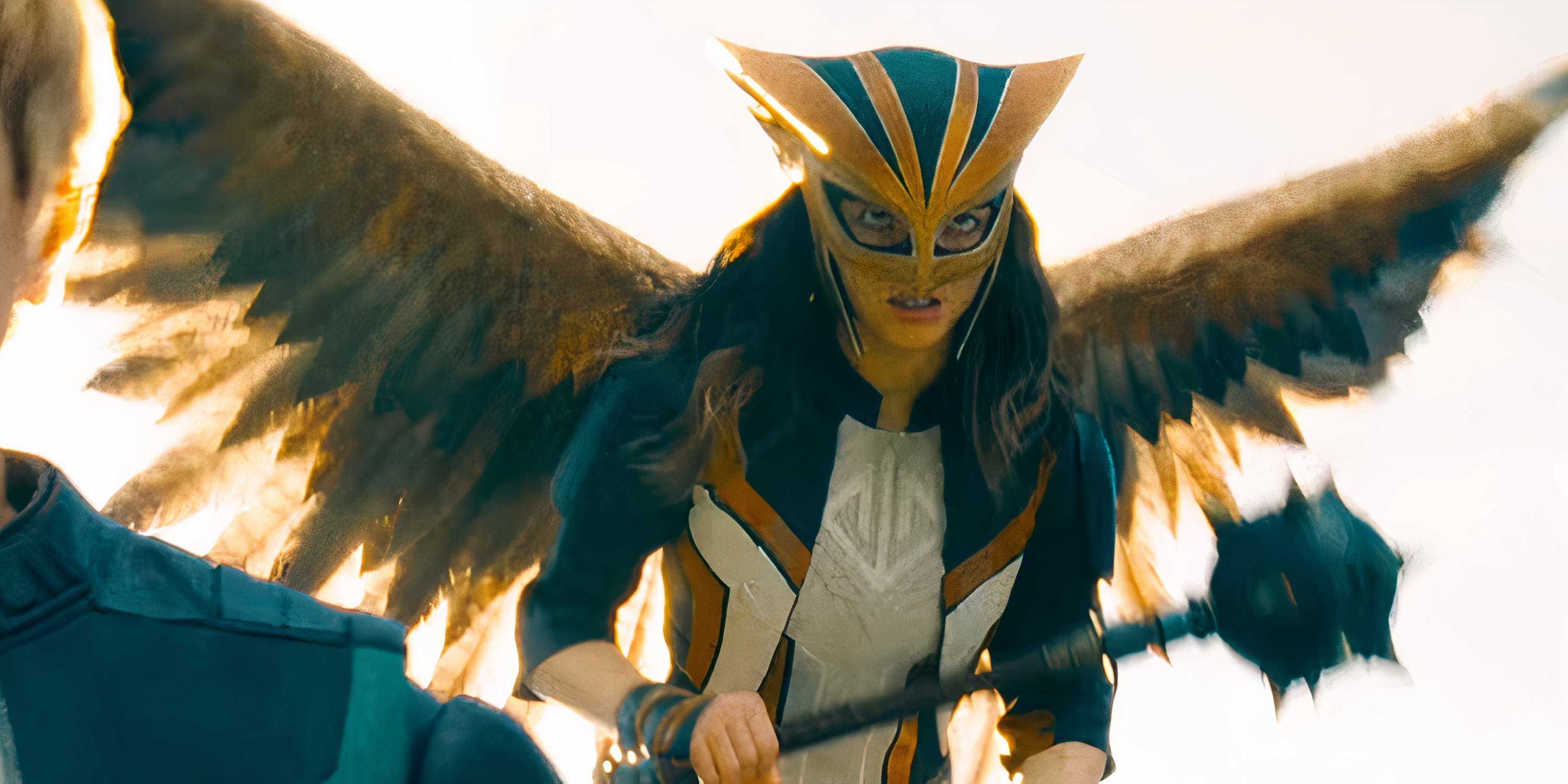
That connected universe started with a bang, kicking off with 2024’s Creature Commandos series. However, as the first DCU theatrical release, Superman mapped out a clear vision for DC’s future, emphasizing a more faithful take on the source material and a willingness to focus on previously neglected characters While Zack Snyder’s “Snyderverse” rushed together Superman, Batman, and Wonder Woman as soon as possible, Gunn’s Superman teamed the titular character with smaller DC heroes like Guy Gardner, Hawkgirl, Metamorpho, and Mister Terrific. Despite the success of projects like Superman and Lanterns, Gunn and Safran are no longer at the helm of the DCU.
Warner Bros. Replaces Gunn and Safran
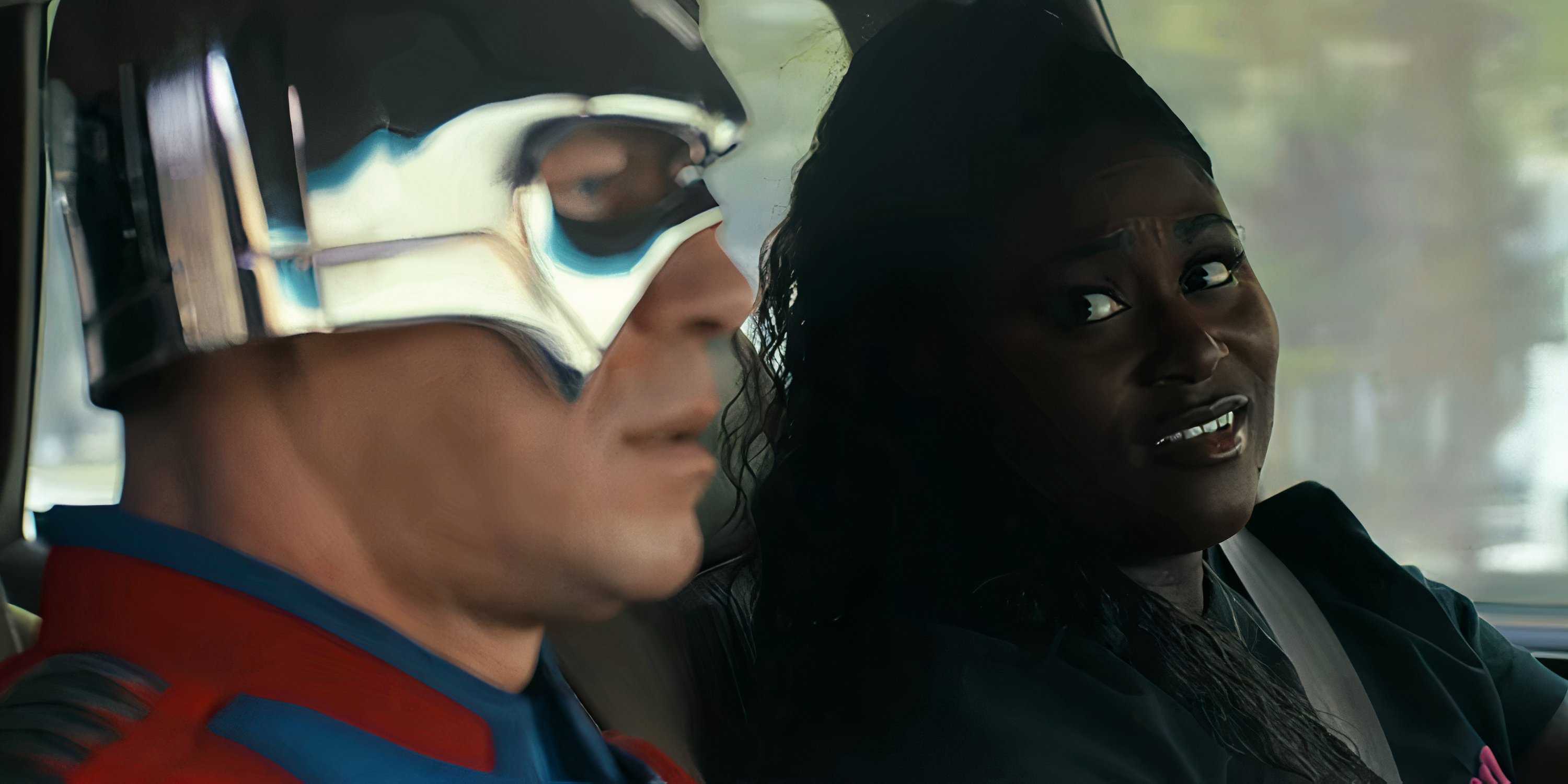
Gunn and Safran’s vision for the initial phase of DC projects is collectively known as Chapter One: Gods and Monsters, one part of a unified 8- to 10-year slate. This phase included shows like Peacemaker Season 2 and Lanterns, as well as movies such as Supergirl and Clayface. The tones and genres of these projects varied, and so did the quality: Supergirl, for example, received mixed reviews and bombed at the box office. However, each one helped lay out Gunn and Safran’s vision for a new DC and built toward their endgame. While Superman and Supergirl offered a (mostly) brighter tone that closely aligned with the comic book source material, Lanterns, Clayface, and Peacemaker showed that DC Studios wasn’t afraid to embrace some of the darker elements of the universe.
The sophomore year for the DCU faced its biggest challenge following the merger between Paramount Skydance and Warner Bros. Discovery. While there were early assurances that Gunn and Safran would be able to keep their roles at DC Studios, that quickly proved not to be the case. On November 9, it was revealed that Jeremy Latcham would fill their twin roles. Latcham previously worked for Marvel Studios, but the producer has vocally been championing faith-based superhero movies. This changing of the guard already has a lot of fans understandably worried about DC’s future.
Another DC Reboot Would Be a Disaster
-
-
 Image via HBO Max
-
Though Gunn and Safran are no longer in charge, the two will remain at DC Studios in creative roles. That means Gunn will be able to finish Man of Tomorrow, his Superman sequel set to be released in 2027. However, some future projects’ fates are now a mystery. Reportedly, any upcoming DCU project already filmed or in the final pipeline will go ahead as planned, and Matt Reeves’ The Batman: Part 2 is similarly safe, though it was never meant to be part of the connected DCU. But the future of titles like The Brave and the Bold are now uncertain.
Just three years after Warner Bros. rebooted its previous universe following The Flash‘s release in 2023, it’s surprising that everything DC-related is already in question again. Many are now wondering if another reboot will happen under Skydance Corporation, and how DC will generally handle the cinematic universe. In their tenure, Gunn and Safran showed their willingness to tackle atypical DC characters and concepts; Clayface is hardly a household name, and the same can be said for Peacemaker. It’s not surprising that Skydance might want to focus on its most profitable characters, but Gunn was able to grow the Guardians of the Galaxy into a major franchise for Marvel and Disney. At a time when the rights to established characters like the Fantastic Four and X-Men were held by Fox, Gunn’s Guardians of the Galaxy trilogy made characters like Rocket and Groot popular around the world. Given time, it’s possible he could have done the same for DC. Another reboot would undo all of that work and mean audiences have to get invested – again – in new DC plans.
Fewer Movie Studios Means Fewer Movies

Many people opposed the merger between Paramount Skydance and Warner Bros. because they argued that it would lead to fewer movies being released. It stands to reason that a conglomerate like Skydance would not want to have multiple new movies in theaters or on streaming at the same time, as they would essentially be competing for the same audience. The consolidation taking place all but ensures that higher-ups will only want to focus on “safer” movies and characters.
During Gunn and Safran’s time in charge, the two had a clear vision that was designed to take greater advantage of DC’s vast stable of heroes and villains. It remains to be seen whether Latcham will have the same willingness to green-light movies like Clayface or shows like Lanterns. Hiring James Gunn was one of the smartest decisions made during David Zaslav’s controversial management of Warner Bros., and it was a blessing for die-hard DC Comics fans. Audiences had experienced long periods where Batman seemed to be the only DC character that Warner Bros. cared about, and the DCU felt like a breath of fresh air purely because James Gunn was intent on changing that.
Skydance’s decision to oust Gunn and Safran from their roles is a critical error that will only hurt DC’s properties in the long run, especially given that goodwill for a DC cinematic universe has almost run out. Why should audiences invest in on-screen DC storylines when the franchise keeps hitting the reset button?

I’m Abhishek Sharma, an author at TigerJek.com. I enjoy exploring games, testing different strategies, and turning what I learn into clear, useful guides. My goal is to help players understand the game better and improve without the usual confusion.