Gabriel Zucman took to social media and shared his reaction to a report that Elon Musk spent millions on the 2026 midterm elections.
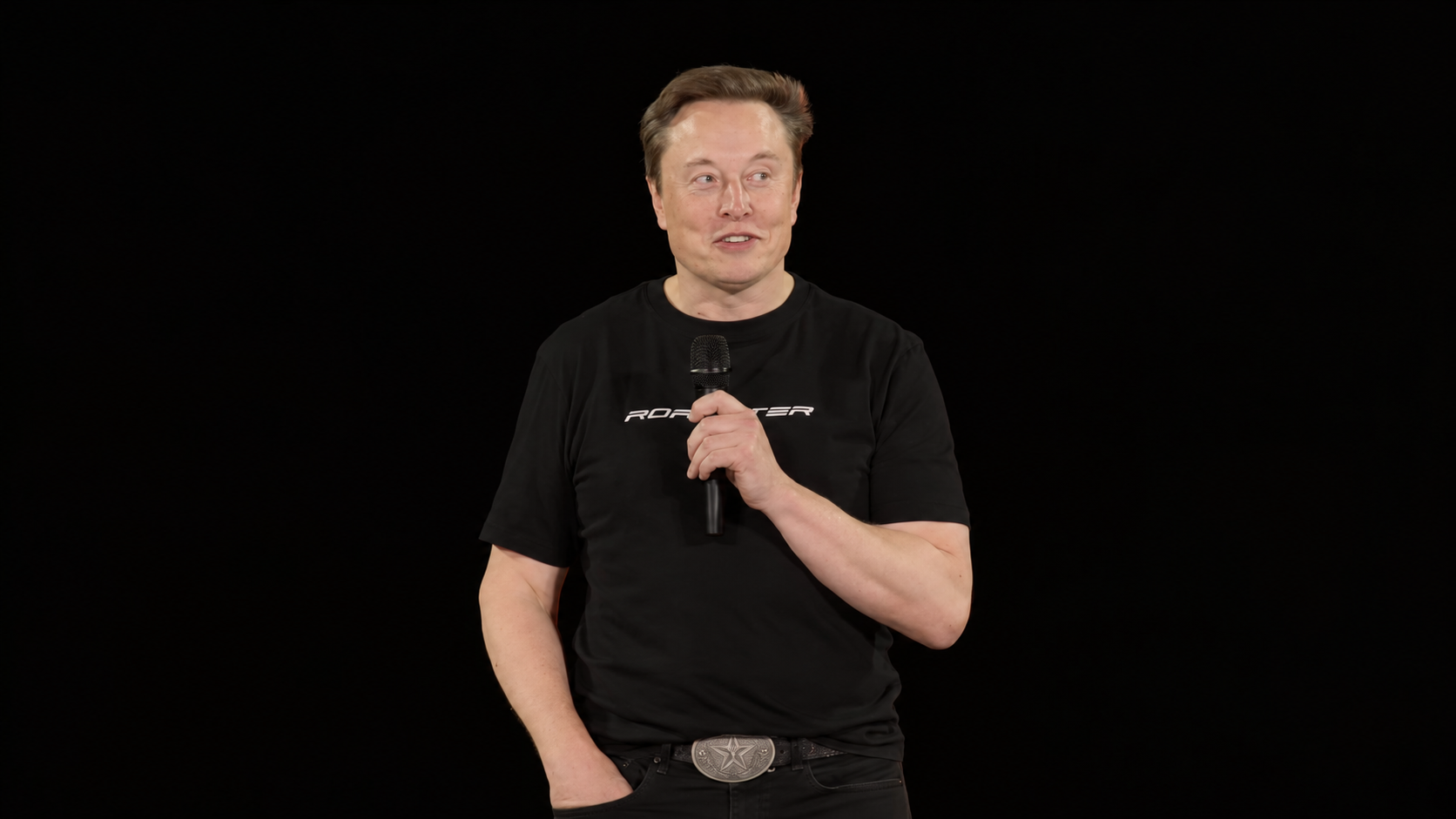
French economist Gabriel Zucman shared his thoughts about Elon Musk’s political donation and wealth tax. On his personal X account, Zucman reposted a post from the Washington Post reporting the former trillionaire’s record-breaking donation. The report revealed that the Tesla CEO donated $446 million of his own money. The goal is to retain control of the Republican Party in Congress. The donation made Zucman wonder how a wealth tax is impossible for billionaires, but donating a large amount for elections is doable.
“So let me get that straight: paying a wealth tax is impossible (“billionaires have no liquidity”, “it would be taxing unrealized gains”, “their wealth is virtual”) but paying half a billion to influence elections is possible. Did I understand well?”
Also Read: “It’s Long Past Time for an Immediate Pause on Advanced AI Development”: Congresswoman Yassamin Ansari Reacts to Report Suggesting US Banks Detecting Third-Party AI Agents
Elon Musk Reportedly Donated $446 Million for the Midterm Elections of 2026
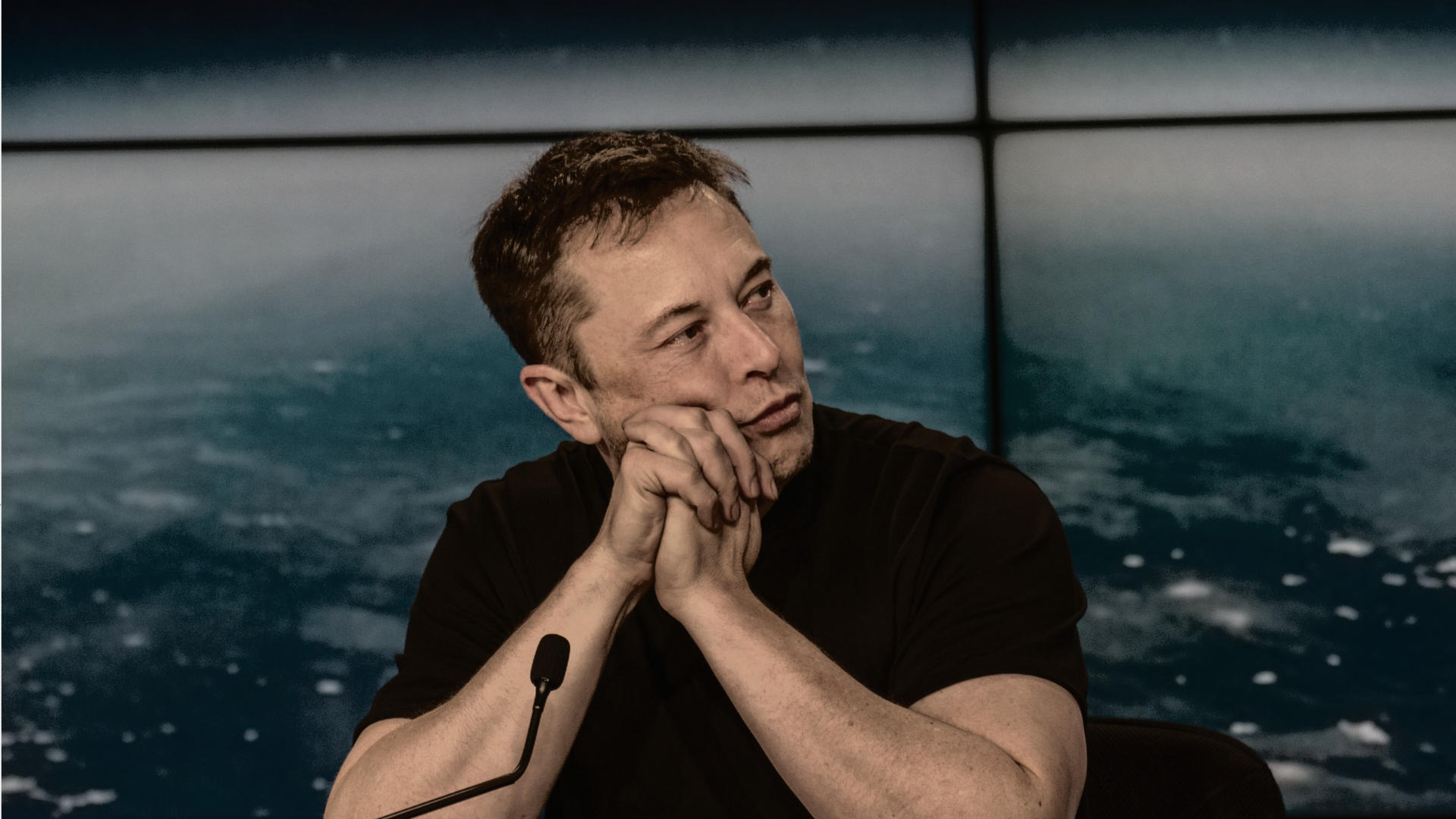
This isn’t the first time economists or political figures have been intrigued by the wealth of the former trillionaire. At one point, Elon Musk had to clarify on X that he has stock in his companies. He also mentioned that he is not the sole benefactor of the profitability of SpaceX and Tesla. The businessman also stated that he does not have piles of cash lying around.
The $446 million donation raised some eyebrows, especially after Texas State Representative James Talarico questioned the political system. The hefty donation directly impacted Ken Paxton’s campaign, and Talarico is saying that this allowed the businessman to buy his own senator.

I’m Abhishek Sharma, an author at TigerJek.com. I enjoy exploring games, testing different strategies, and turning what I learn into clear, useful guides. My goal is to help players understand the game better and improve without the usual confusion.