Alright, listen. I’m not actually that good at video games. I enjoy them, but I’m not good at them. Give me a tough boss fight, a tricky platforming section, or a game that expects me to memorize a dozen enemy attack patterns, and there’s a decent chance I’ll be seeing the game over screen more often than I’d like. That’s why I appreciate a good difficulty curve. I don’t mind a game challenging me, but I want it to teach me what I’m doing wrong before it starts making my life miserable.
Thankfully, the NES has plenty of games that understand this balance. Some introduce mechanics gradually, while others let players experiment with different strategies or learn enemy patterns through repeated attempts. Not every classic gets it right, and a few of these games can be downright brutal, but the best ones make overcoming a difficult section feel genuinely rewarding.
8
Castlevania III: Dracula’s Curse
Branching Paths Add Variety, but Difficulty Can Become Uneven
Castlevania III: Dracula’s Curse gives players plenty of reasons to keep coming back. Its branching paths make each playthrough feel a little different, and choosing a route can lead to new stages, different challenges, and potential companions. There’s a lot to enjoy here, especially if you like a game that asks you to learn its rules rather than simply rush through each level.

Put the consoles in the correct order.
The problem is that the difficulty doesn’t always rise at a comfortable pace. Some stages feel manageable until an awkward jump or a badly placed enemy suddenly brings the gameplay to a halt. The branching structure adds replay value, but it doesn’t always help the game feel balanced. I can appreciate a game that expects me to get better, but Dracula’s Curse sometimes seems more interested in punishing my mistakes than helping me learn from them.
7
Mike Tyson’s Punch-Out!!
Opponents Teach Players to Recognize and Exploit Patterns
-
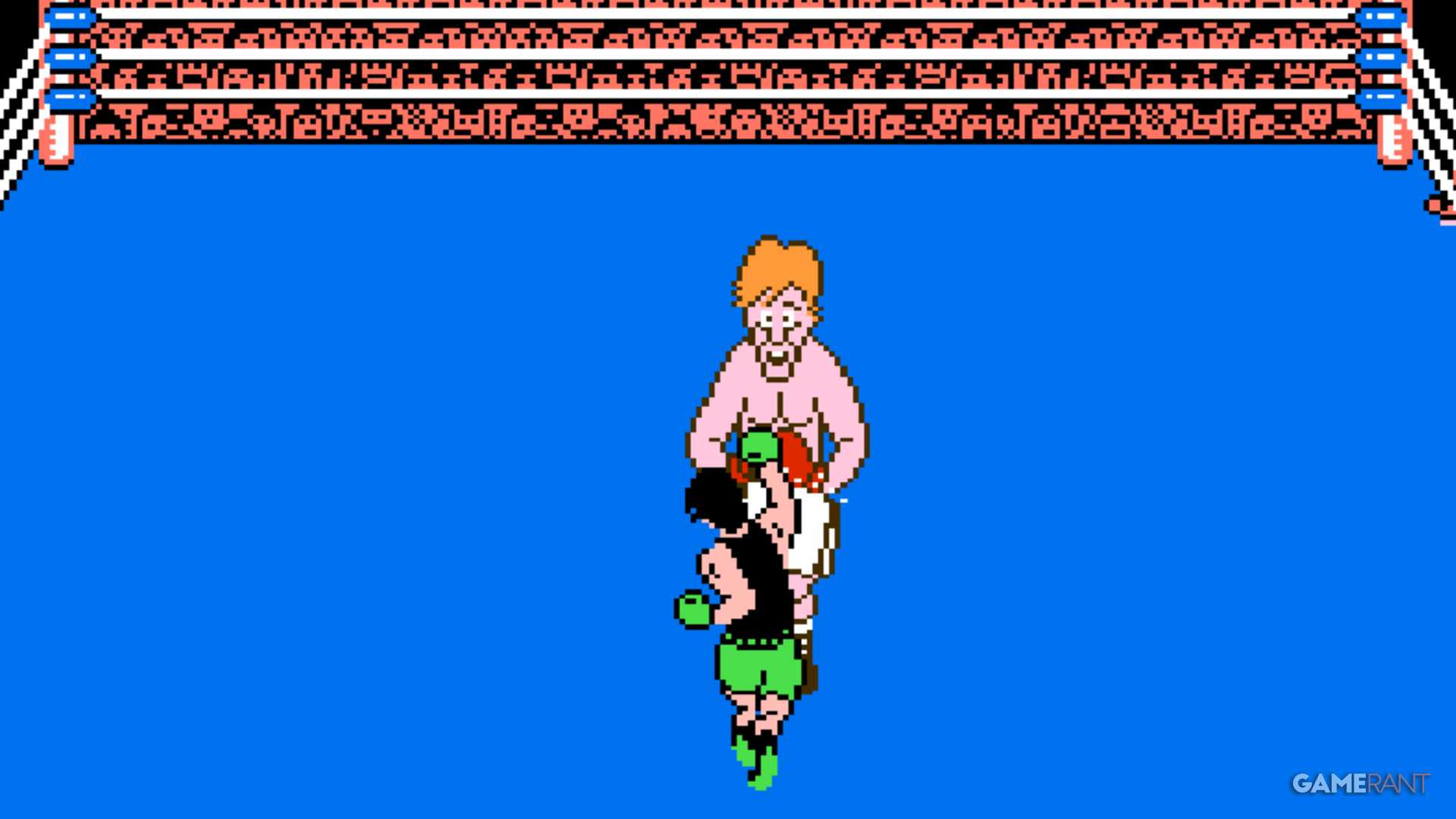 Image by GameRant; Source: Nintendo
-
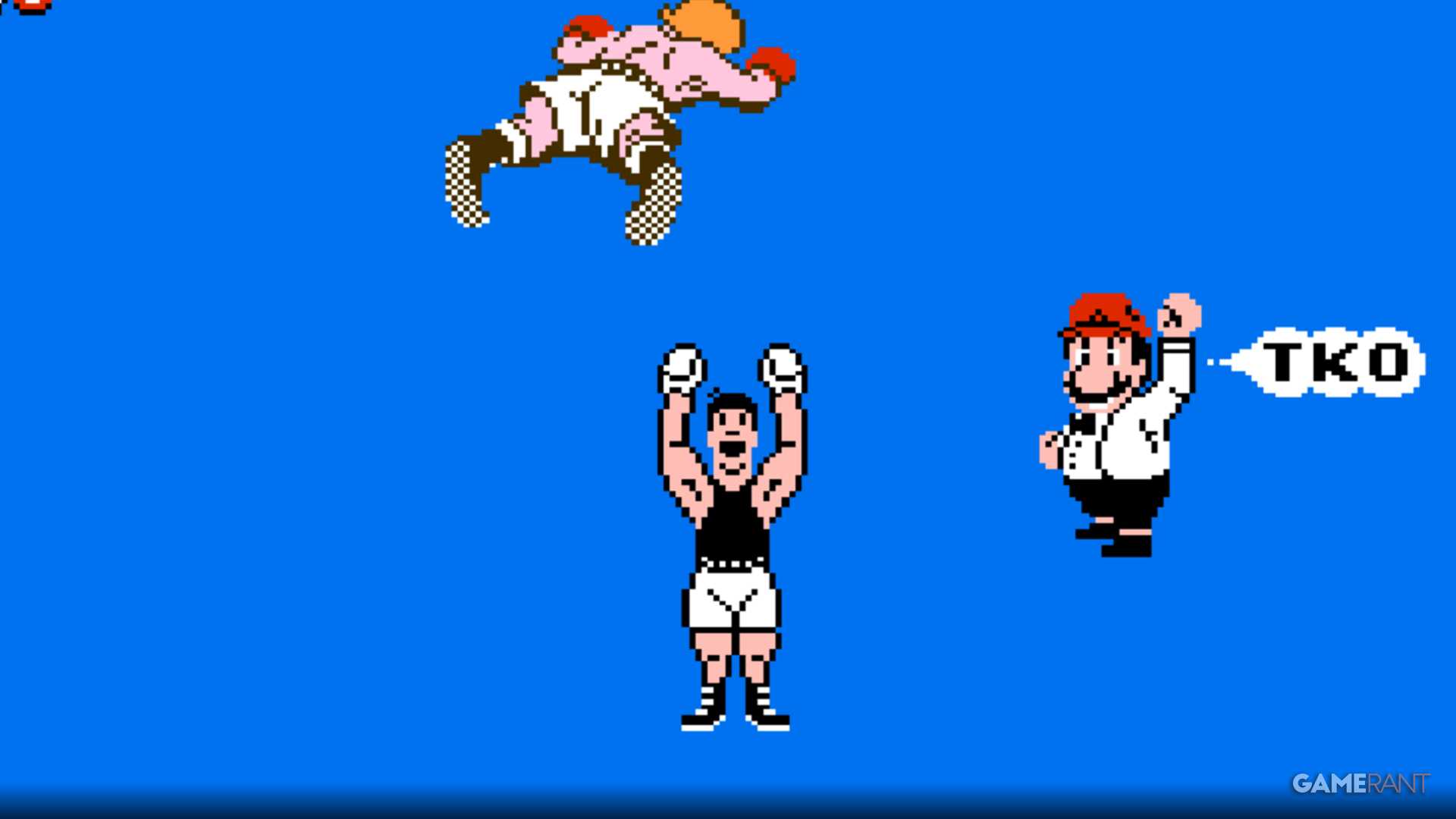 Image by GameRant; Source: Nintendo
-
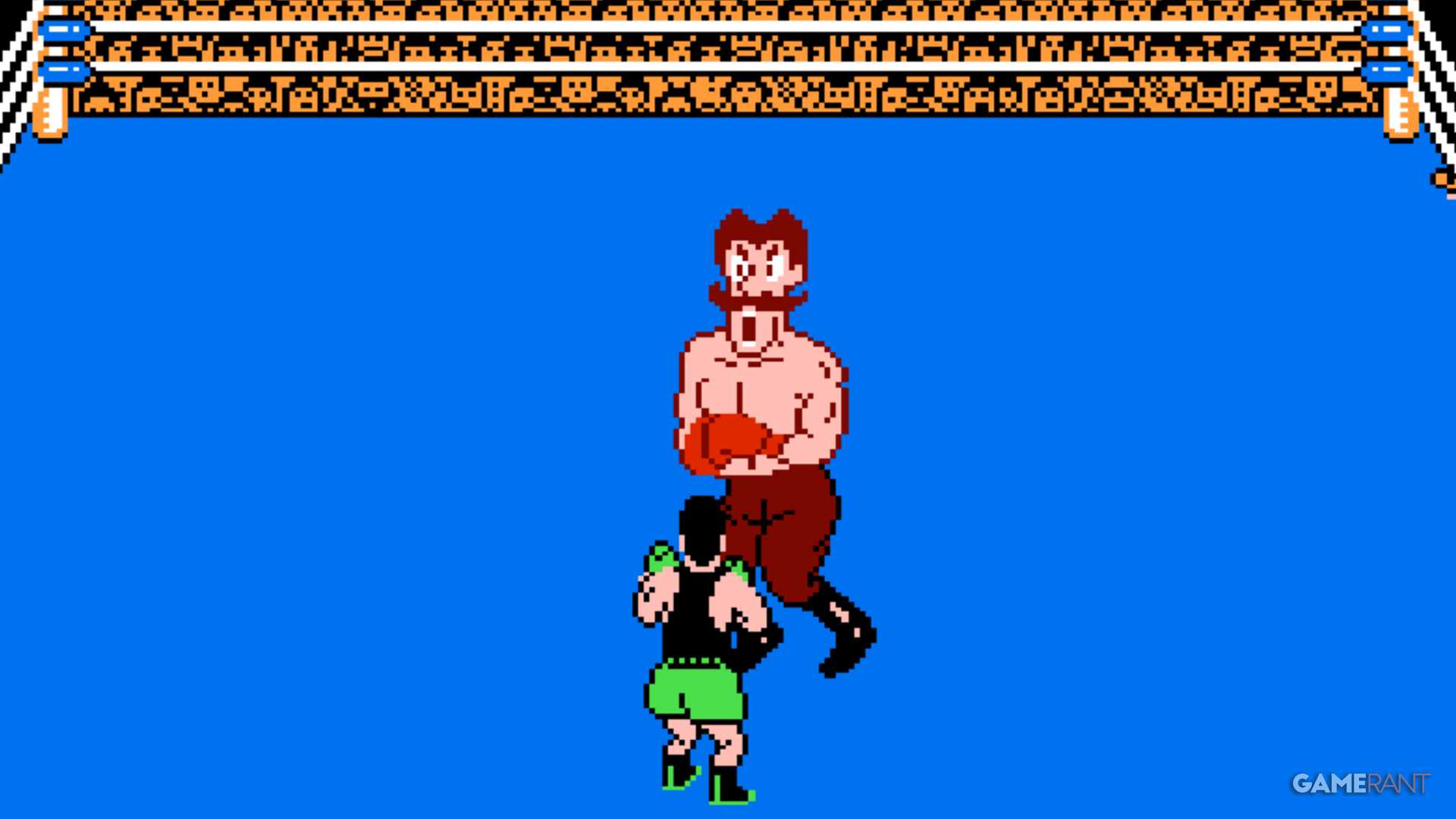 Image by GameRant; Source: Nintendo
At first, Mike Tyson’s Punch-Out!! seems pretty straightforward. Watch your opponent, dodge at the right moment, and land a few punches when there’s an opening. Then the next boxer steps into the ring and makes you realize that you haven’t learned nearly as much as you thought. Each opponent introduces different tells and attack patterns, encouraging players to pay attention instead of blindly throwing punches. A strategy that works against one boxer might be completely useless against another, so every fight becomes its own little puzzle.
Things get considerably tougher as the opponents improve, though. Later fights demand precise timing, quick reactions, and a good memory for each boxer’s moves. There’s a clear logic to the challenge, but the margin for error can get painfully small. Punch-Out!! earns its place here because it teaches players to recognize patterns, even if mastering those patterns takes more patience than I usually have.
6
The Legend of Zelda
Exploration and Equipment Upgrades Reward Persistence

The Legend of Zelda

- Released
-
February 21, 1986
- ESRB
-
E For Everyone Due To Mild Fantasy Violence
The original The Legend of Zelda doesn’t hold your hand, and that’s both its greatest strength and one of its biggest problems. Hyrule is open for exploration, secrets are tucked away in unexpected places, and finding better equipment can make a noticeable difference in how well you handle tougher enemies. Discovering a hidden upgrade or finally finding your way through a dungeon feels like a genuine accomplishment.
That freedom also means the difficulty can be uneven. Players can wander into dangerous areas before they’re ready, miss useful items, or struggle to figure out where the game expects them to go next. Without much guidance, it’s possible to spend a long time making little progress. Still, the sense of discovery makes the rough edges easier to forgive.
The Legend of Zelda rewards curiosity, and many of its challenges become more manageable once you’ve explored, gathered equipment, and learned how its enemies behave. Its difficulty curve isn’t always smooth, but the freedom to approach problems in different ways gives players a chance to find their footing.
5
Contra
Precision Becomes Essential as Enemy Patterns Intensify

Contra
- Released
-
February 20, 1987
- ESRB
-
e 10+ // Animated Blood, Mild Violence
Contra wastes very little time getting started. Enemies appear from multiple directions, projectiles fill the screen, and standing still for too long is usually a terrible idea. The game quickly establishes that survival depends on movement, awareness, and knowing when to attack. As the stages progress, enemy placements and attack patterns become more demanding. Players have to learn when to jump, where to position themselves, and how to deal with threats without getting trapped. Once those patterns start to click, sections that initially seemed impossible become much easier to manage. That feeling of improvement is a big part of what makes Contra so memorable.
The catch is that mistakes are expensive. Limited lives mean a brief lapse in concentration can undo a lot of progress, and the game doesn’t give players much time to recover when things go wrong. Its challenge is built around repetition and precision, which works brilliantly if you’re willing to practice. If you’re anything like me, though, there will probably be a few moments when you need to put the controller down and take a breath.
4
DuckTales
A Simple Mechanic Becomes a Test of Skill
-
 Image by GameRant; Source: Capcom
-
 Image by GameRant; Source: Capcom
-
 Image by GameRant; Source: Capcom
DuckTales is a good example of how a simple mechanic can carry an entire platformer. Scrooge McDuck uses his cane to bounce on enemies, reach higher platforms, and get around obstacles. The move is easy enough to understand almost immediately, but using it consistently takes practice, especially when the game starts asking for more precise jumps. The stages gradually introduce trickier platforming challenges, encouraging players to get comfortable with the cane before relying on it in more demanding situations.
Exploring each level also gives players opportunities to collect treasure, so there’s a reason to look around instead of heading straight for the exit. What I like most is that the challenge usually comes from learning how to use the tools the game gives you. When a jump goes wrong, there’s often a clear lesson to take away from it. The controls are approachable without making the later stages feel effortless, which gives DuckTales a satisfying balance between accessibility and mastery.
3
Kirby’s Adventure
Accessible Platforming Develops Into a Rewarding Challenge
Kirby’s Adventure takes a gentler approach to difficulty than some of the other games on this list. Kirby can inhale enemies and copy many of their abilities, giving players different ways to approach obstacles and fight their way through Dream Land. The colorful presentation and forgiving early stages make the game feel welcoming, even if you’re not particularly experienced with platformers.
That doesn’t mean the game stays easy forever. Later levels introduce more demanding jumps, trickier enemy placements, and bosses that require players to pay attention. Learning how different abilities work can also make a difference, giving players reasons to experiment rather than sticking with the first power they find.
The important thing is that the challenge builds without losing the game’s approachable feel. Kirby’s abilities offer some flexibility, and the early stages give players time to get comfortable with the basic controls. It’s a game that lets you enjoy yourself while quietly asking you to improve, which is pretty much the ideal arrangement for someone who isn’t especially skilled at video games.
2
Mega Man 2
Stage Choices Encourage Experimentation and Strategy

Mega Man 2 understands that difficulty feels better when players have options. At the beginning, players can choose from several Robot Master stages, each with its own enemies, hazards, and boss. If one stage proves too difficult, trying another route can lead to a new weapon that makes a previously frustrating fight much more manageable.
Those weapons are central to the game’s design. Each Robot Master has a weakness, so figuring out which weapon works best can turn a difficult boss fight into a much more straightforward encounter. Players still need to learn attack patterns and time their movements carefully, but experimentation is just as important as quick reactions.
Of course, Mega Man 2 can still be tough. Some jumps require careful timing, certain sections leave little room for mistakes, and bosses can punish players who haven’t learned their patterns. What makes the game stand out is how often it gives players another way to approach a problem. Rather than simply demanding that you get better at the same encounter, it encourages you to think differently. That makes its difficulty feel challenging without being entirely unforgiving.
1
Super Mario Bros. 3
New Mechanics Build Naturally Into Tougher Challenges
Super Mario Bros. 3 is my pick for the NES game with the best overall difficulty curve because it consistently gives players new things to learn without making the experience feel like a constant uphill battle. The early levels introduce the basics, while later stages build on those ideas with trickier jumps, more complicated layouts, and enemies that demand better timing. The game certainly has difficult moments, and some later stages can be unforgiving if you’re careless. However, the challenge generally feels connected to skills and mechanics players have already had time to learn.
When I mess up a jump or run straight into an enemy, I can usually see what went wrong and try a different approach next time. That’s what separates a good difficulty curve from a frustrating one. Super Mario Bros. 3 doesn’t need to make every level easy; it makes the harder levels feel like something I can eventually overcome. For a game released on the NES, it does that remarkably well.
The Best NES Difficulty Curves Make Progress Feel Earned
A well-designed difficulty curve does more than make a game gradually harder. It teaches players what they need to know, gives them opportunities to apply those lessons, and makes success feel like the result of genuine improvement. These eight NES classics approach that goal in different ways, from DuckTales building on a single movement mechanic to Mega Man 2 letting players use weapon weaknesses to find their own solutions.
Super Mario Bros. 3 takes the top spot because its level design and expanding challenges create a particularly consistent sense of progression. The other games have their own strengths, whether through pattern recognition, exploration, or strategic experimentation, even when their difficulty occasionally becomes uneven. Together, they show why the NES remains an important part of gaming history.

I’m Abhishek Sharma, an author at TigerJek.com. I enjoy exploring games, testing different strategies, and turning what I learn into clear, useful guides. My goal is to help players understand the game better and improve without the usual confusion.