The new horror games arriving from independent developers are becoming harder to group under one familiar formula. Recent releases range from a retro survival-horror adventure interrupted by live-action footage to a deckbuilding card battler about bargaining with demons, a folk-horror stealth story, and a cosmic nightmare experienced through a penguin’s eyes. I find this latest wave of indie horror particularly interesting because so many of its experimental ideas affect the way the games actually play.
For anyone following new horror games, there’s plenty to discover, even if some of these releases look very different from one another. There’s still plenty of familiar horror DNA across these selections, with survival mechanics, unsettling environments, and disturbing narratives all playing important roles. However, these indie developers have found interesting ways to combine those ingredients with other genres and storytelling techniques to create something entirely new.
Tenebris Somnia
Live-Action Cutscenes Give This Retro Survival Horror A Cinematic Twist
Tenebris Somnia looks like a throwback to classic survival horror, with pixel-art environments, puzzles, and dangerous creatures. Its biggest surprise comes when the game switches to live-action cutscenes featuring real actors. These sequences use practical effects and a more traditional horror film style, creating a sharp contrast with the gameplay’s retro visuals. Rather than sticking to one presentation style throughout, the game moves between two very different approaches to horror, giving its story a distinctive identity.

Guess the games from the emojis.
The combination is particularly interesting because the live-action footage doesn’t replace the old-school gameplay. Players still have to explore, solve puzzles, and deal with dangerous encounters, while the cinematic sequences add another layer to the experience. Tenebris Somnia shows how indie developers can experiment with presentation without abandoning the mechanics that make survival horror work. It’s an appealing choice for players who enjoy retro horror but want something a little less predictable.
Silver Pines
A Survival-Horror Mystery With Metroidvania Exploration
-
-
 Image via Wych Elm Games
-
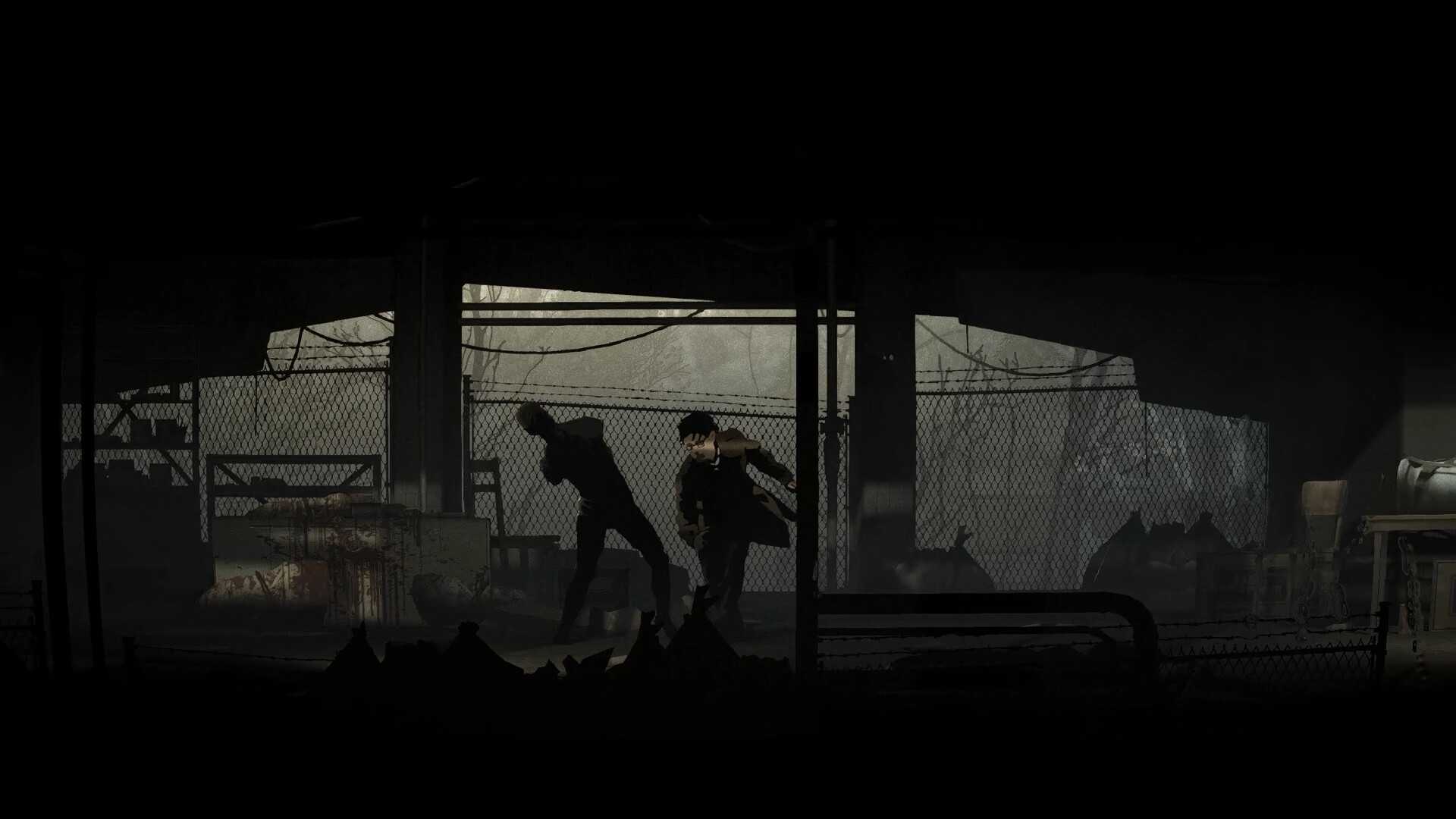 Image credits: Team17
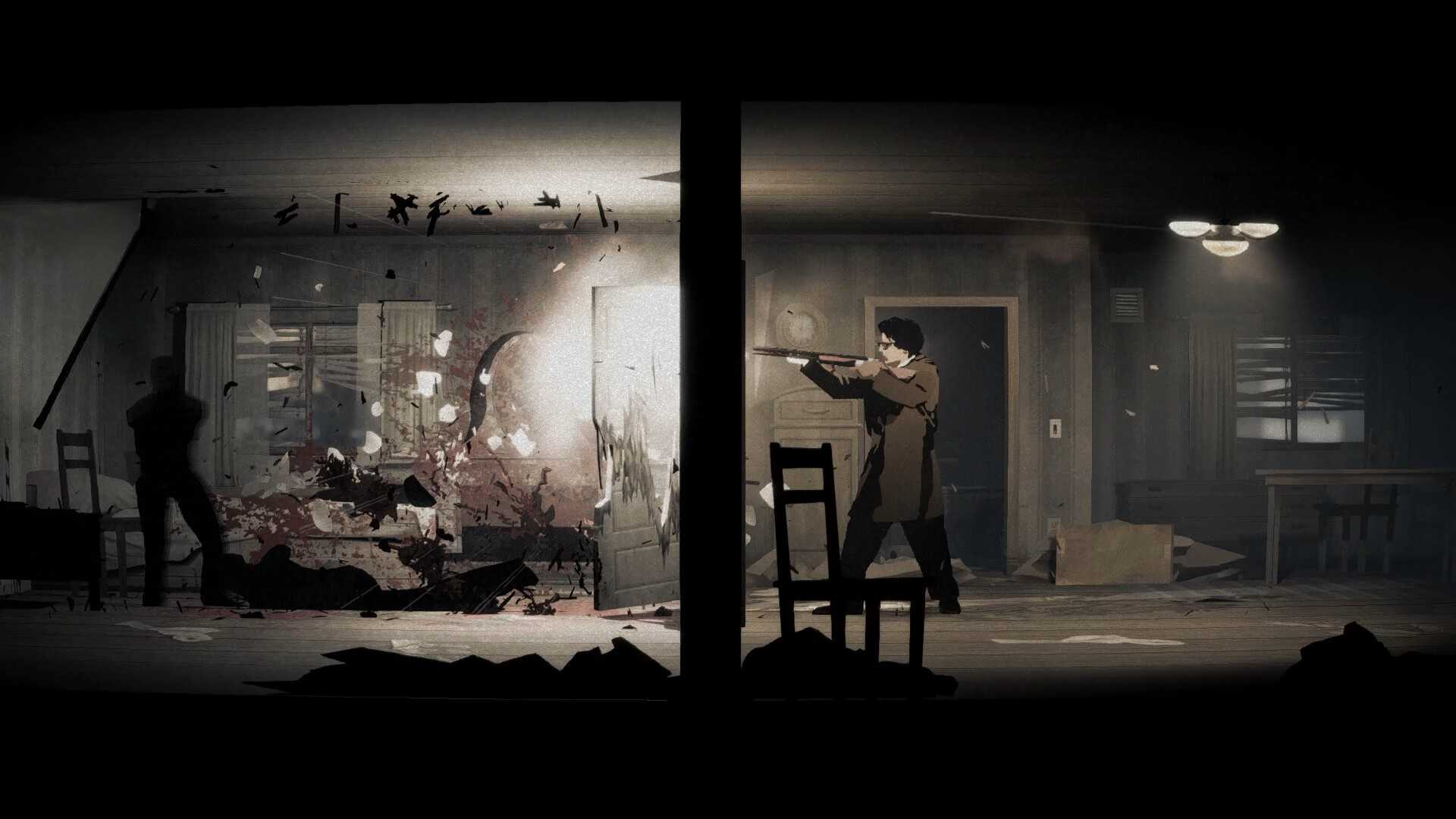
Silver Pines follows private investigator Red Walker, who arrives in a half-abandoned American town while searching for a missing musician named Eddie Velvet. His investigation leads him into increasingly disturbing territory, with the town’s secrets providing the backdrop for a traditional survival-horror mystery. The setting draws on familiar genre conventions, but the way players explore it gives the game a unique feel.
Silver Pines uses a Metroidvania structure, with locked doors, hidden routes, puzzles, and limited resources shaping the journey. Finding new tools allows players to reach previously inaccessible areas, encouraging them to revisit locations as the investigation develops. This structure gives exploration a bigger role than it has in many linear horror games. For fans of Silent Hill, Silver Pines offers another unsettling town to investigate, with a progression system that rewards curiosity and careful exploration.
Hunter’s Moon
Listening In Can Help Players Survive A Witch Hunt
-
 Source: Twin Swans
-
 Source: Twin Swans
-
 Source: Twin Swans
- Release Date: October 26. 2026
- Platform: PlayStation 5
- Developer: Twin Swans Limited
Hunter’s Moon is a first-person historical folk-horror game that follows Lilith Thorne, a woman accused of witchcraft who must escape a 17th-century English village. Played from that first-person perspective, the game revolves around stealth as dangerous villagers search for her. Its setting, based on real history, provides plenty of reasons to stay out of sight, but survival also depends on understanding the people who inhabit the village.
One of the game’s more unusual mechanics lets Lilith eavesdrop on conversations through windows, potentially uncovering information that helps her escape. With more than 100 voice-acted characters, the village has plenty of people to listen to, although getting too close to the wrong person can put Lilith in danger. I like how this mechanic makes overheard conversations part of the actual gameplay rather than background storytelling. Players have to pay attention to their surroundings and decide when gathering information is worth the risk.
Sleepytime Village
A Children’s Storybook Hides A Much Darker World
-
 Source: Lightfoot Bros
-
 Source: Lightfoot Bros
-
 Source: Lightfoot Bros
- Release Date: October 30, 2026
- Platform: Steam
- Developer: Lightfoot Bros Games
Sleepytime Village takes the familiar look of a children’s storybook and turns it into something far more unsettling. Players control Rufus, a workaholic father who becomes trapped in a strange world filled with peculiar residents and a narrator who seems to know more than he lets on. The hand-drawn artwork gives the adventure a storybook aesthetic, but the characters and locations gradually push the experience into darker territory. The developer, Lightfoot Bros, cites CBeebies of all things as a big part of the game’s development story, which definitely shines through in the art style. I always thought that Teletubbies sun was creepy.
Locations such as a broken toy cemetery and underground catacombs help establish the game’s unsettling atmosphere. Its point-and-click puzzles put exploration at the center of the experience, making it a good fit for players who prefer psychological unease to constant jump scares. The contrast between the storybook presentation and the disturbing world is the game’s biggest draw.
The Killing Stone
Deckbuilding Turns Demonic Bargains Into A Dangerous Game
-
 Source: Question
-
 Source: Question
-
 Source: Question
- Release Date: October 26, 2026
- Platforms: Steam, PlayStation 5, Xbox Series X/S, Nintendo Switch
- Developer: Question
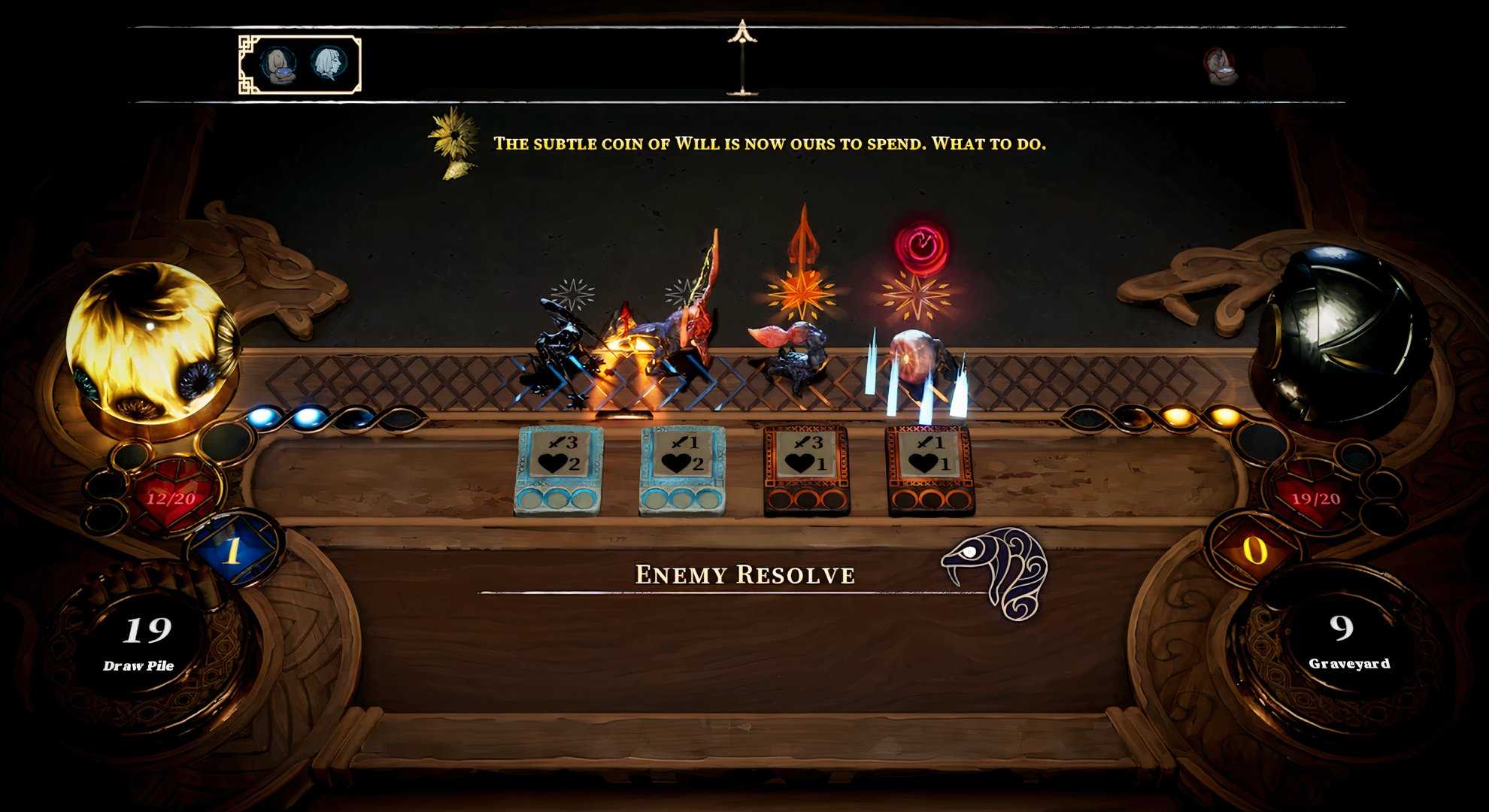
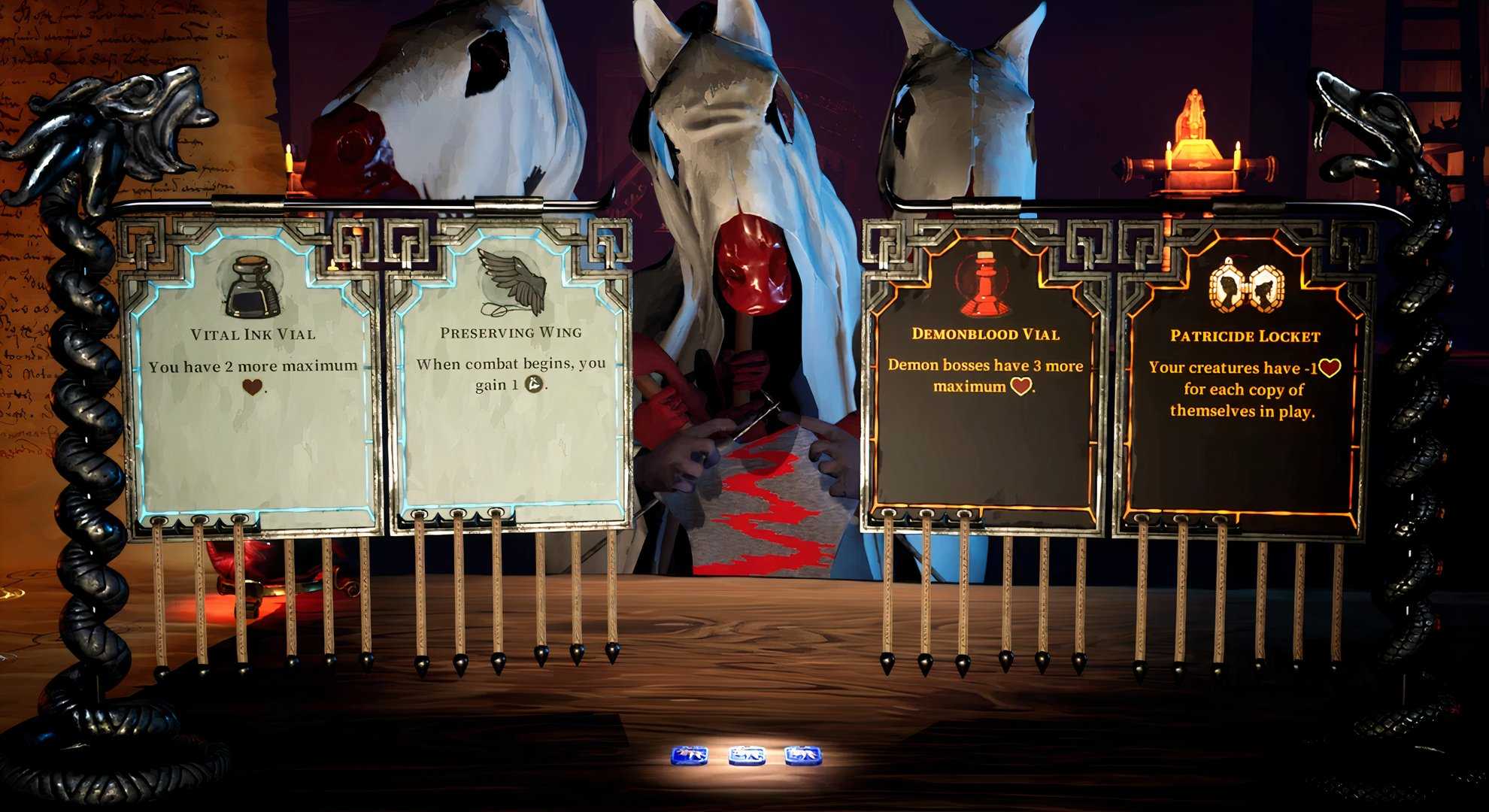
The Killing Stone builds its horror around an unusual combination of occult storytelling and deckbuilding. Set in the 17th century, the game follows a cursed family trying to escape its misfortune by confronting demons and challenging the Devil through card battles. Instead of relying on conventional combat, it uses a ceremonial board populated by animated figurines, spells, and magical creatures to bring its supernatural encounters to life.
Players can also make bargains that offer benefits at a cost, potentially affecting later encounters. This system gives the game’s occult themes a practical role in its strategy, since decisions can carry consequences beyond an individual battle. I find this combination particularly suited to horror, where gaining an advantage often comes at a price. The Killing Stone offers a different kind of tension for players who enjoy deckbuilding but want something darker than the usual fantasy adventure.
Grease Trap ’99
A Late-Night Shift At A Scottish Takeaway Turns Sinister
-
 Source: James Muirhead
-
 Source: James Muirhead
-
 Source: James Muirhead
- Release Date: October 21, 2026
- Platform: Steam
- Developer: James Muirhead
Grease Trap ’99 starts with a familiar job: working the late shift at a Scottish fish-and-chip shop. Set in 1999, the game asks players to prepare orders while investigating something strange beneath the shop’s floor tiles. The ordinary workplace provides an unexpected setting for horror, especially as the mystery surrounding the building grows ever deeper. It marks a welcome change from the abandoned hospitals, isolated cabins, and haunted houses that often dominate the horror genre.
The game’s low-poly visuals recall the PS1 and PS2 eras, while Scottish Gaelic voice acting gives it a distinctive identity that I personally adore as a Welsh linguist. Its short runtime, designed to fit into an experience lasting less than an hour, also makes it an appealing option for players who want a complete horror story without committing to a lengthy campaign. Grease Trap ’99 finds its identity in the contrast between routine takeaway work and the disturbing events unfolding around it. Honestly, it’s my favorite on this list.
Penguin Colony
Lovecraftian Horror From A Penguin’s Perspective
Penguin Colony puts a strange spin on cosmic horror by making a penguin the protagonist. Inspired by H.P. Lovecraft’s At the Mountains of Madness, the game takes place in Antarctica as human factions arrive in search of an ancient being. Players experience the expedition from the perspective of an animal caught up in events far beyond its understanding, offering a different viewpoint on the familiar themes of forbidden knowledge and incomprehensible forces.
Movement is built around your penguin’s abilities, including hopping, sliding, swimming, and honking. The game also includes brief story sections featuring Maori warriors, adding another perspective to the narrative. Its unusual protagonist is what makes the premise stand out, since cosmic horror typically puts human explorers or investigators at the center of the story. Penguin Colony instead places players in the position of a creature navigating an increasingly hostile environment, with little ability to understand the forces shaping its surroundings.

I’m Abhishek Sharma, an author at TigerJek.com. I enjoy exploring games, testing different strategies, and turning what I learn into clear, useful guides. My goal is to help players understand the game better and improve without the usual confusion.