Over the last few decades, anime has quickly become one of the most dominant forms of entertainment in the West. Many amazing series have become dearly beloved to international fans, becoming a pivotal part of pop culture discussions. Shows like Dragon Ball, Naruto, or even the more recent Demon Slayer are proof of how beloved this medium has become among American audiences.
Yet, on rare occasions, what most Western fans consider a classic anime turns out to be much less popular in its home country. Some shows were forced to leave their country of origin in order to find an audience fit for them. Whether this is because of their inherent traits not sitting well with Japanese fans or simply because they were never given the proper recognition in Japan, these shows became instant successes with international fans after failing back home.
Ghost Stories’ English Dub Made the Series Much More Memorable
Widely regarded as having one of the most controversial and eccentric dubs of all time, Ghost Stories is a comedy-horror show that follows a group of children as they investigate the various ghostly apparitions taking place in their home. Due to an extremely lenient dubbing studio, the voice actors took this terrifying experience and transformed it into a bizarre yet hilarious parody of paranormal anime.
What many fans who grew up watching this series don’t know is the fact that the original Japanese dub has none of the jokes or references made in the American version. The unedited Ghost Stories anime is a serious and somewhat slow show that, despite not being a failure by any means, never managed to step out of the shadow of other series released around the same time.
Panty & Stocking with Garterbelt Was Too Heavily Inspired by Western Pop Culture
One of the 2010s’ most surprising successes, Panty & Stocking with Garterbelt follows a pair of unusually crude and violent angels who fight against evil forces trying to take over their home. The series quickly found its home with Western fans thanks to its unique animation style, which greatly resembled classic cartoons, as well as its multiple references and parodies of pop culture topics.
While American fans were laughing uncontrollably at Panty and Stocking’s misadventures, Japanese fans were pushed away from the series due to its Western inspiration. The anime could not appeal to an audience that had not grown up with or could fully understand and embrace its multiple references. As such, the series is barely ever spoken about back in its home country.
The Big O’s Cartoon Inspiration Did Not Allure Japanese Fans
The Big O is an anime heavily inspired by one of the best cartoons from the 90s era, Batman: The Animated Series. The series follows a hardened professional negotiator named Roger Smith who was tasked with caring for an android girl called Dorothy. The series takes a much darker approach to the sci-fi genre typical of anime of its time, delving into the mysteries and crimes of the corrupt and dystopian Paradigm City.
Although the series proved to be a major success during its time airing on Toonami, appealing to fans who grew up watching Batman’s adventures, it was a massive failure in Japan. The gritty setting and Western inspiration did not manage to enchant fans the same way they did in America, causing it to be prematurely canceled and reduced to half its expected runtime.
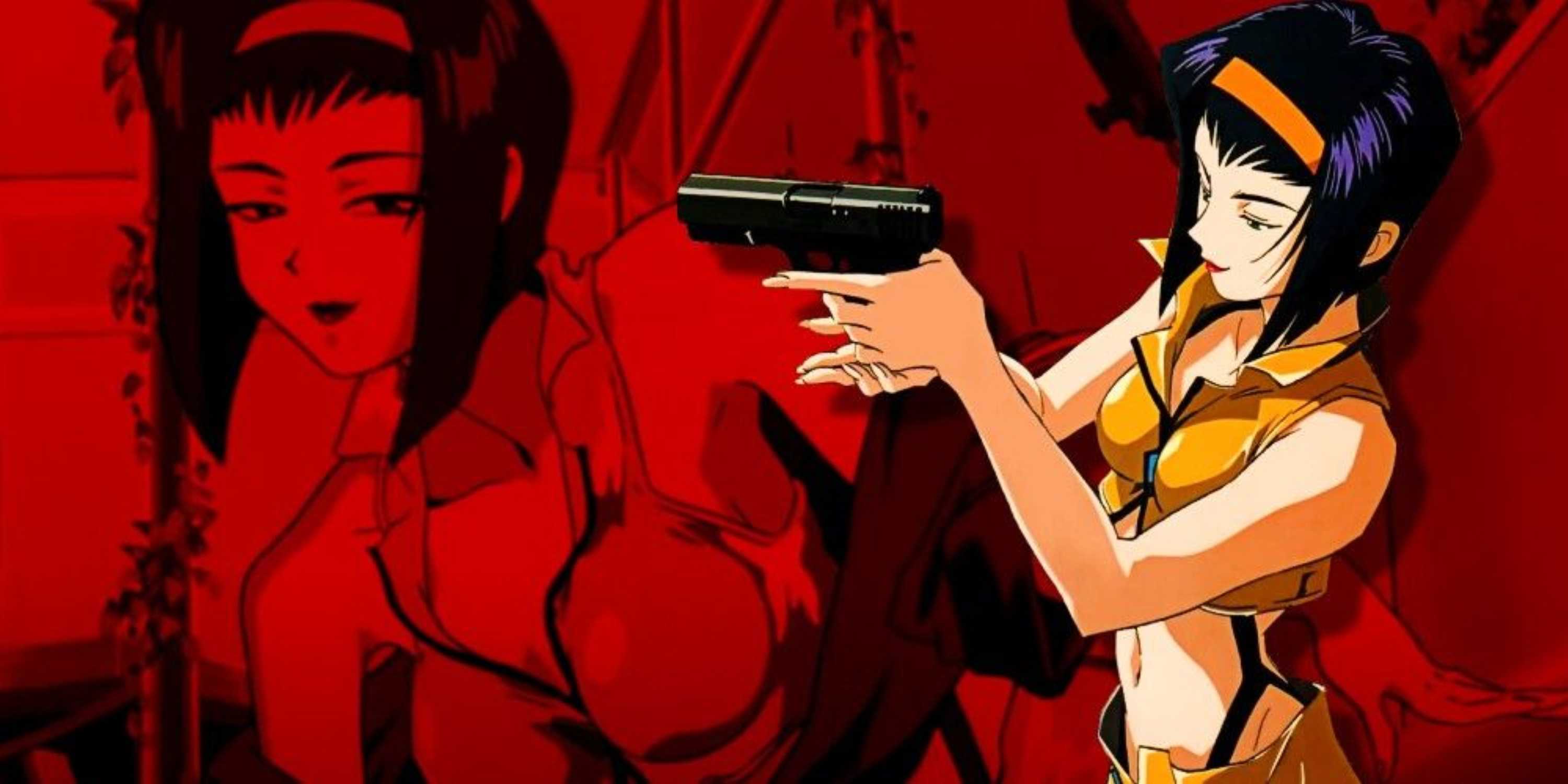
Cowboy Bebop Is Nowhere Near As Iconic in Japan
-
 Image via Sunrise
 -
-
 Image via Sunrise
Regarded as one of the true anime masterpieces of the last couple of decades, Cowboy Bebop managed to seamlessly merge the excitement and philosophical themes of a mature drama with the excitement that comes with a charming group of mercenaries. When the series aired in the West for the first time, it instantly captured the attention and the hearts of millions of fans, becoming a staple of the industry to this day.
Its release in Japan was a completely different story, being a much less impactful release in its country of origin. While the series was still greatly received by critics, general audiences could not connect to its clearly Western-inspired themes and story. As such, while Cowboy Bebop is an icon of entertainment in America, in Japan it is just a well-written niche anime.
Trigun’s Japanese Release Suffered Greatly
Every once in a while, an anime with the potential to become a big hit among audiences is met with unfavorable conditions that gravely hurt its success. Trigun, the show depicting the adventures of the overwhelmingly powerful pacifist Vash the Stampede, is an example of this phenomenon. While the anime was heavily criticized by audiences for having a cliché protagonist, it was forced to air late at night, during the infamous ‘death slot’.
American fans did not have any issues enjoying Vash’s adventures, as the series not only premiered at a much more beneficial time slot, but it also released around the initial boom of the medium. Fans became instantly enchanted by the series and its pacifist hero who refuses to use his powers against others. The show never reached the same levels of impact that other seinen anime had, but it remains a cherished memory for many.
Japanese Fans Did Not Enjoy The Super Sentai Parody of Go! Go! Loser Ranger!
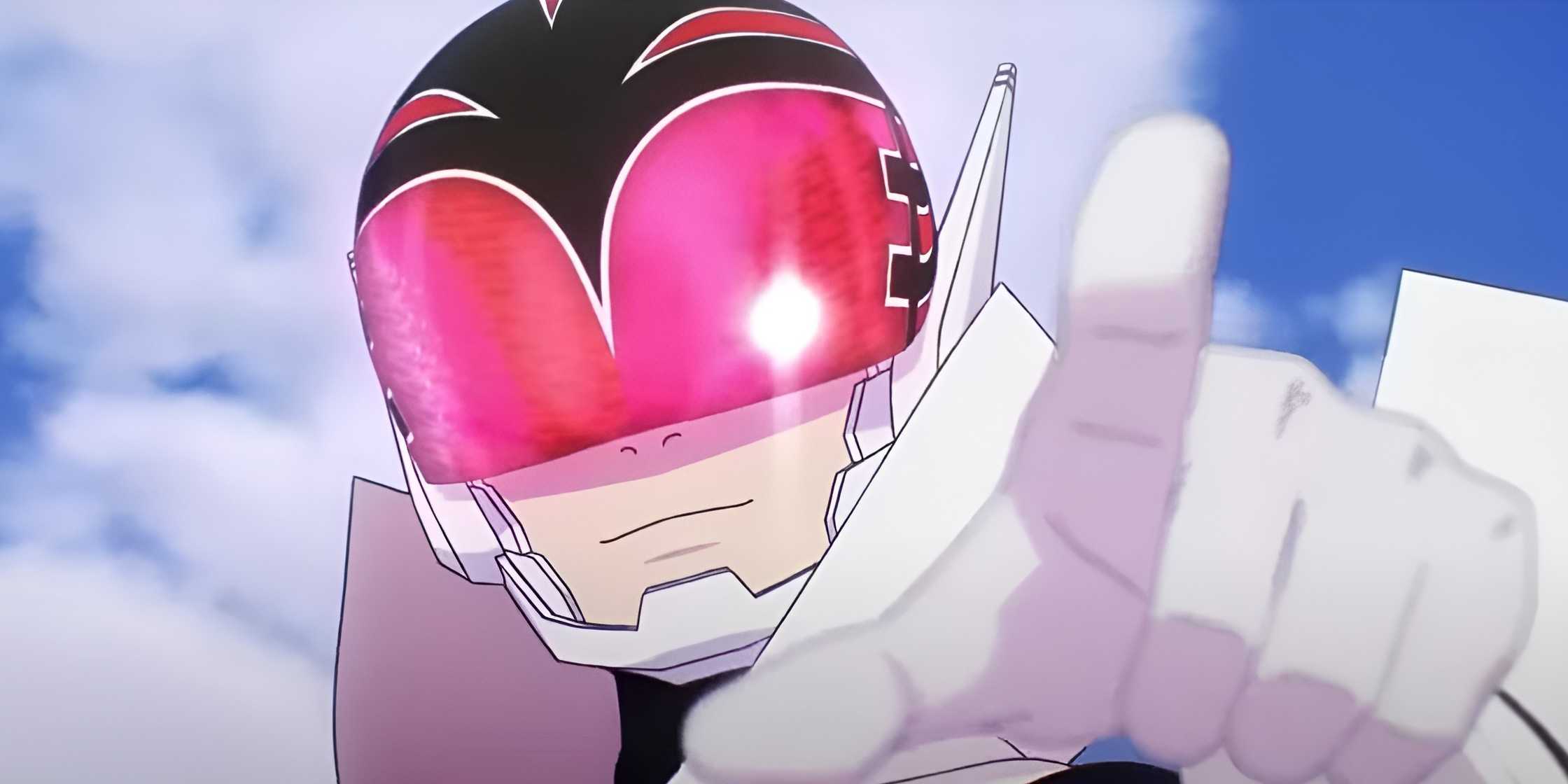
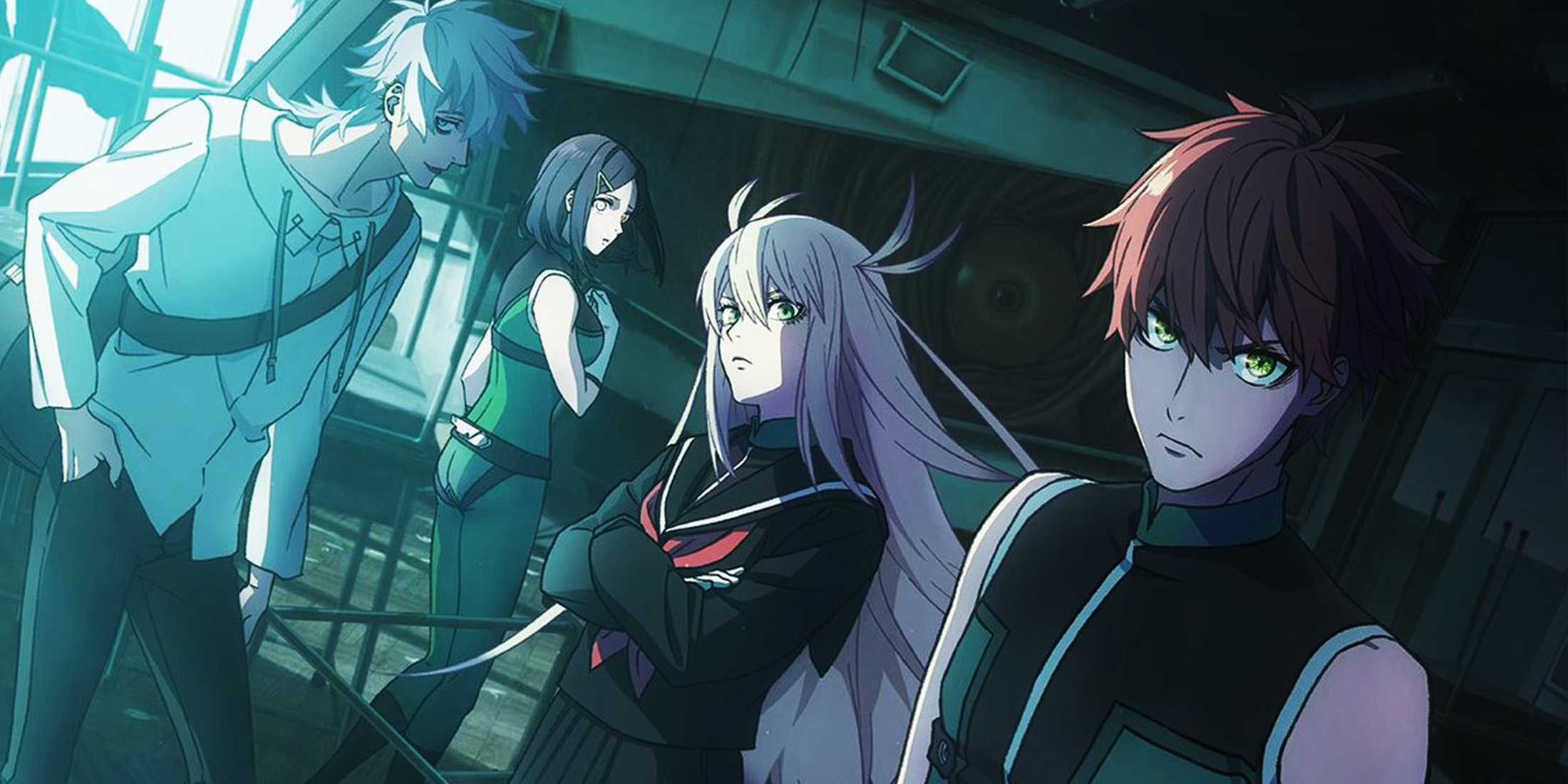
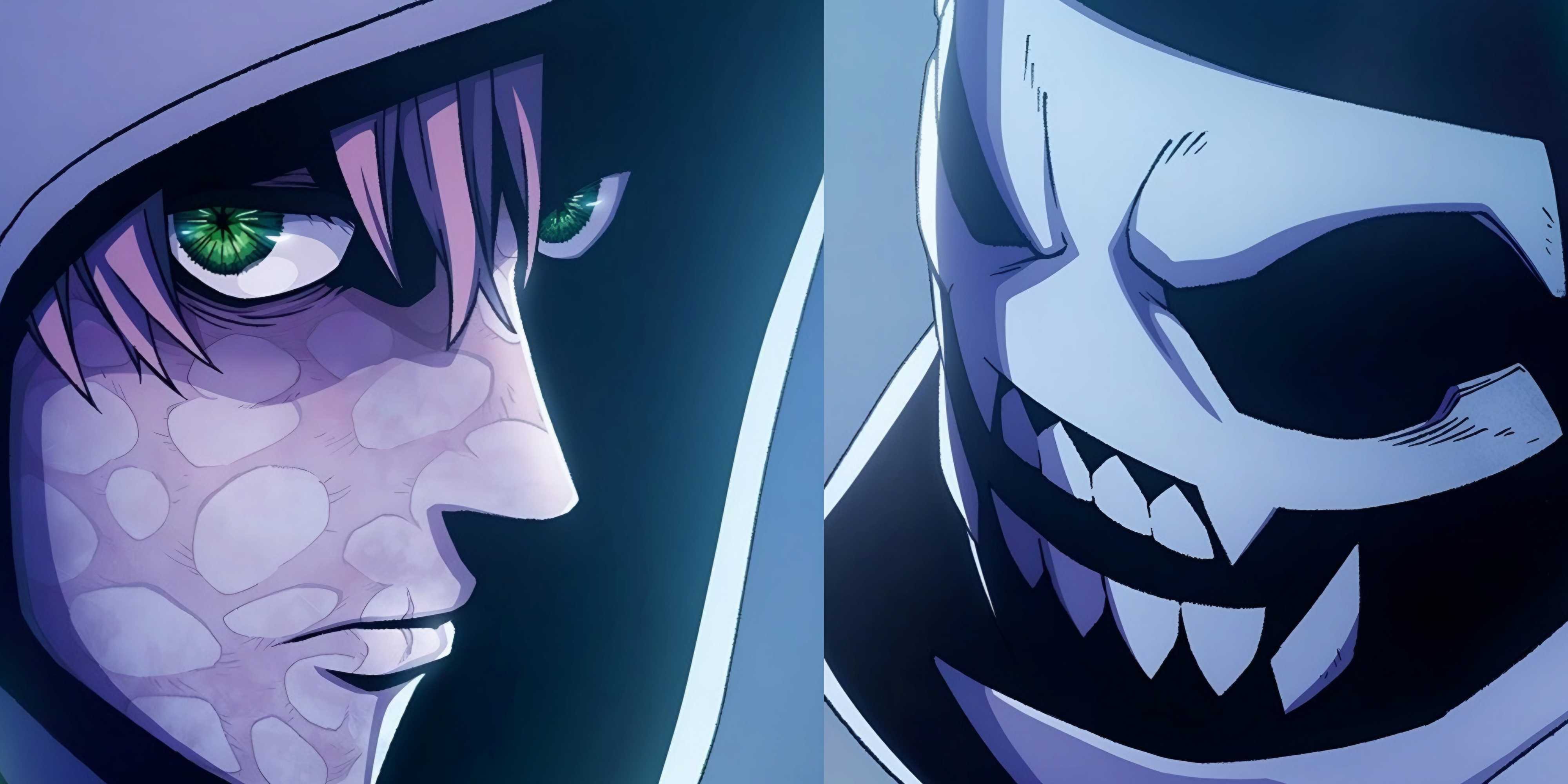
Up until its recent indefinite hiatus, which marked the end of an era for the widely beloved Power Rangers franchise, Super Sentai was one of Japan’s biggest phenomena. For more than 50 years, this incredible series brought joy and excitement to fans across the country. As such, when Go! Go! Loser Ranger! was released, audiences were reluctant to embrace a story that not only mocked their beloved heroes, but also depicted them as ruthless villains.
While Super Sentai’s adaptation in the West, Power Rangers, is a beloved part of millions of fans’ childhoods, it was far easier for American fans to find the appeal of a darker group of costumed heroes. The show managed to rapidly gain a large following, thanks to its ingenious story, charming characters, and memorable scenes.
Samurai Champloo’s Western Themes Made It a Huge Success In America
Set in an alternate universe where traditional Japanese culture clashes with modern traits, such as hip-hop, breakdancing, and graffiti, Samurai Champloo is a series that perfectly utilized its core concept to create an exciting and unique setting. The series took heavy inspiration from Western urban cultures, adapting them into an otherwise historically accurate plot, culminating in a vivid and never-seen-before experience.
American fans quickly fell in love with the innovative concept, as it allowed them to see a world in which Japanese and Western cultures merged into one. Lamentably, audiences in its country of origin were less impressed by the idea, as many of the most outlandish concepts of the series were not familiar to them. The series saw a much higher interest in America, while being considered a novel yet unappealing anime in Japan.
Mobile Suit Gundam: Iron-Blooded Orphans Strayed Too Far From the Franchise’s Tropes
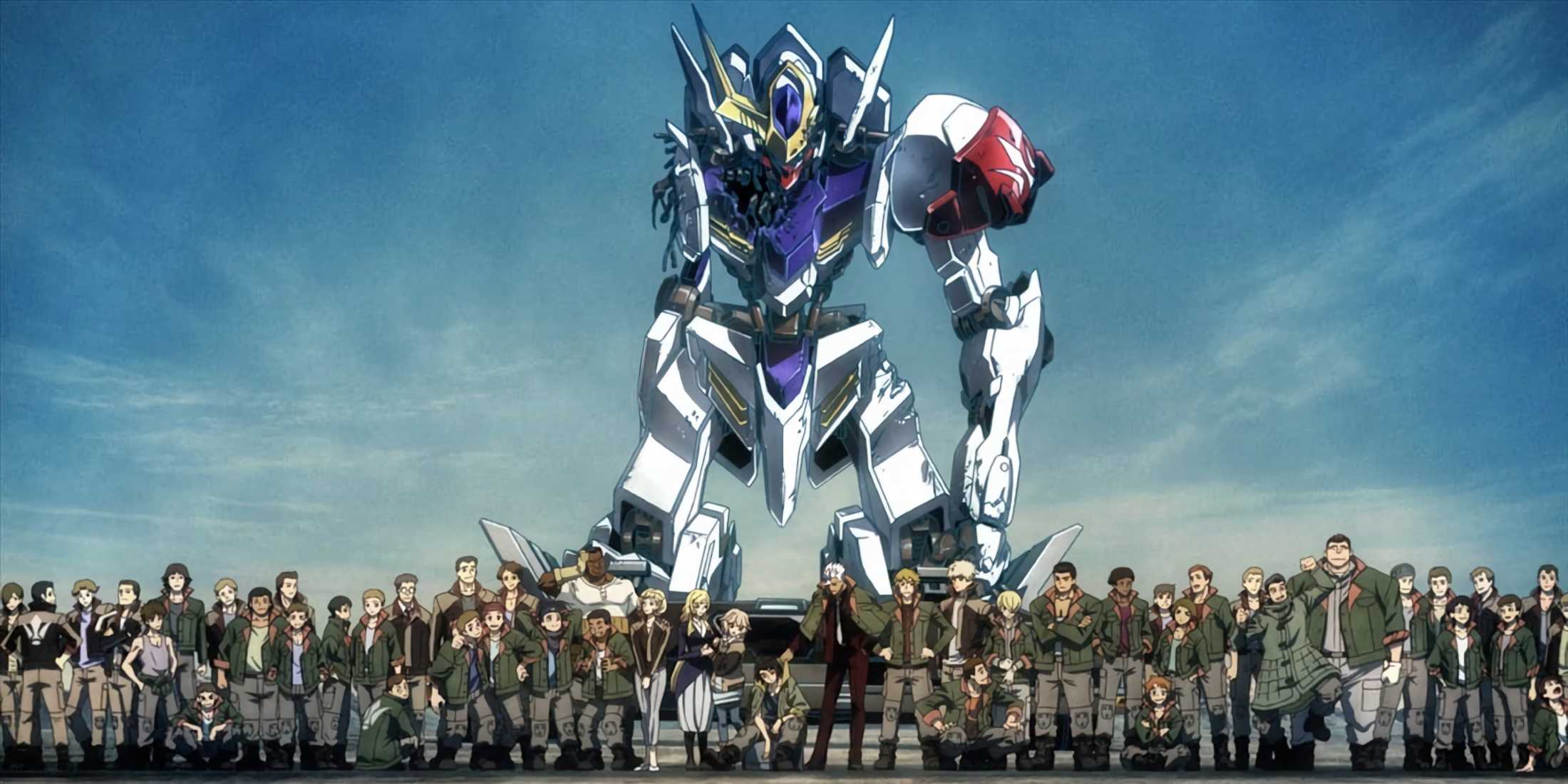
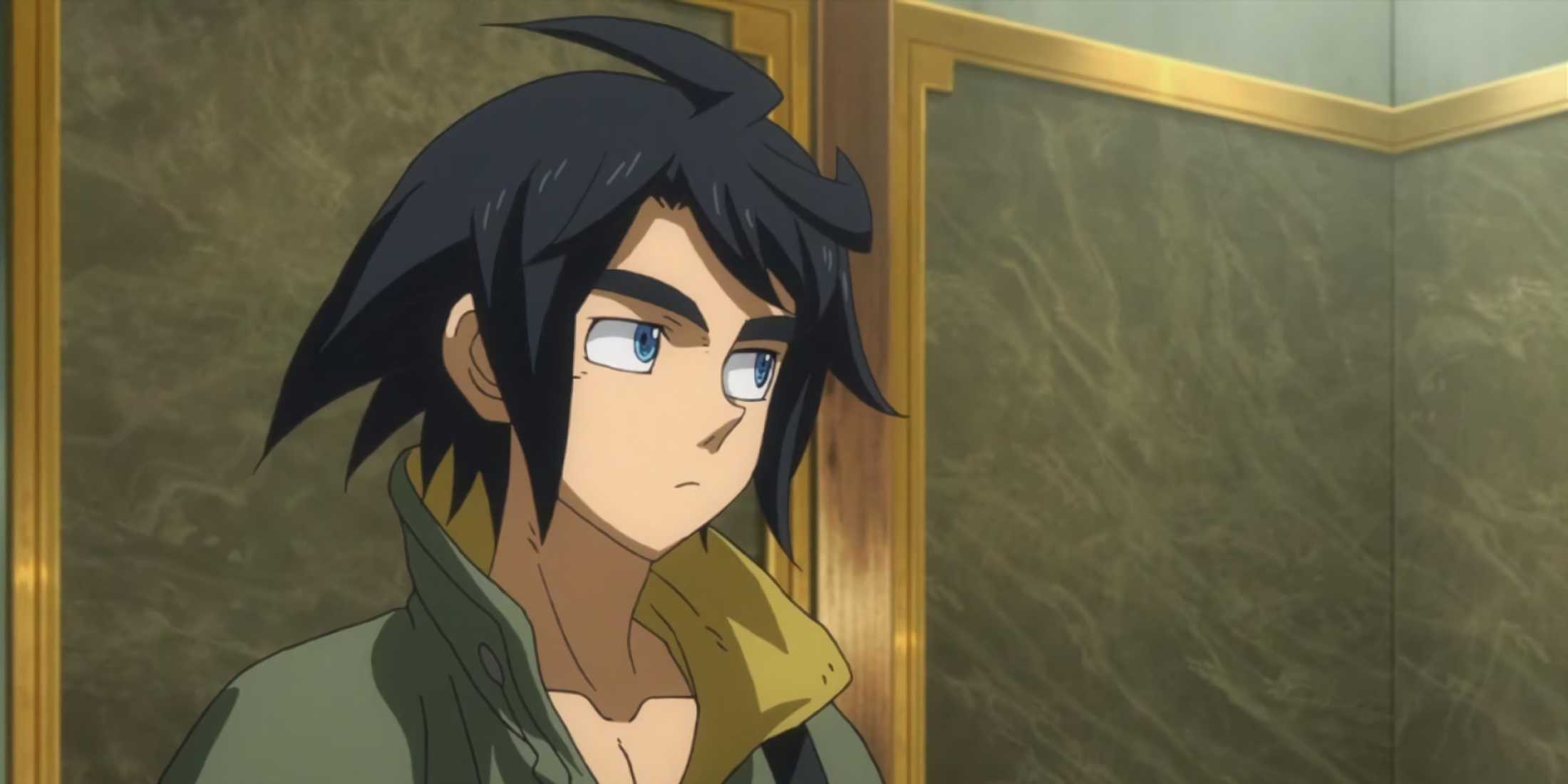
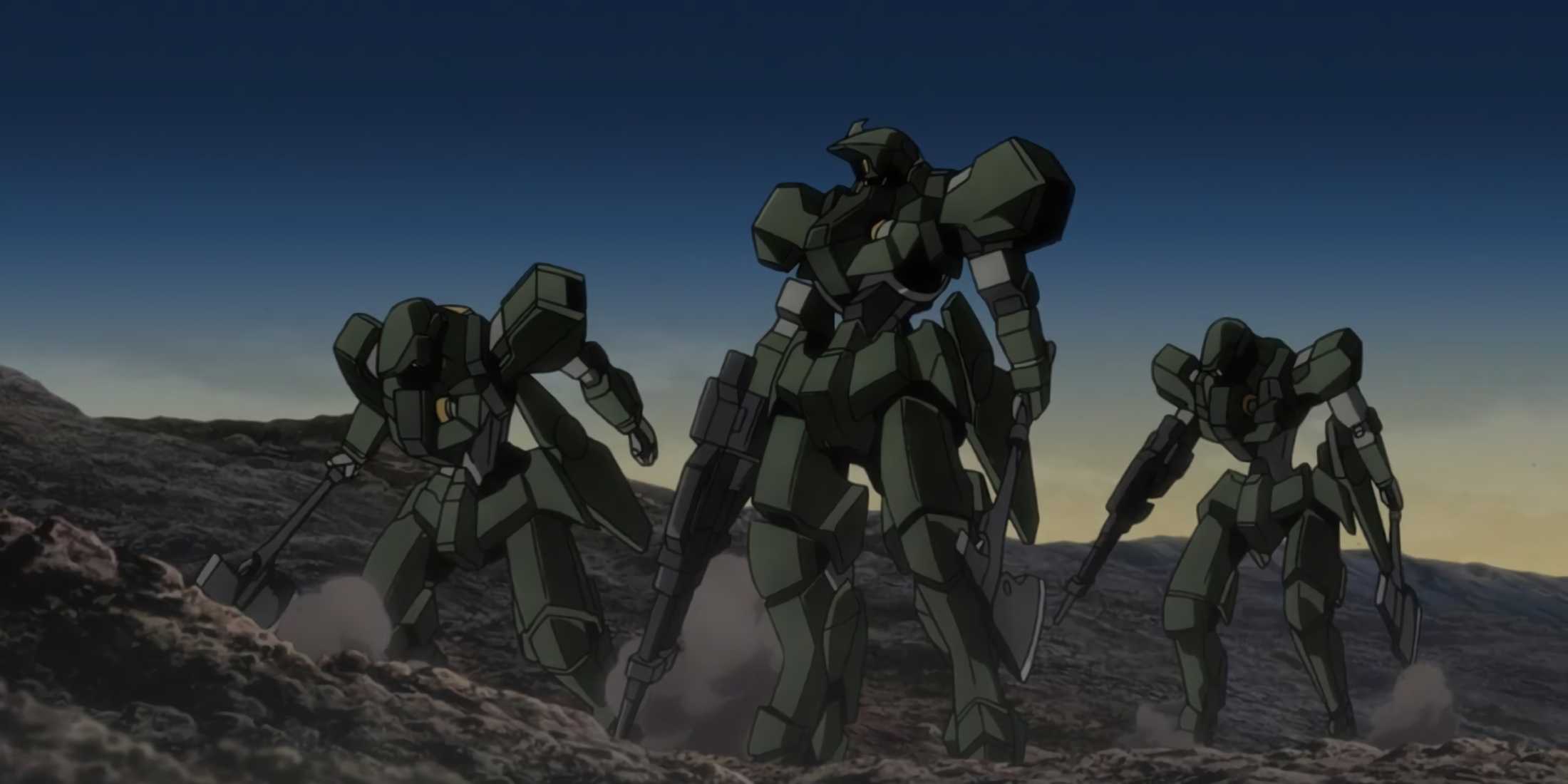
It is an objective fact of life that few franchises in existence mean so much to the Japanese people as Gundam. This IP is responsible for the release of several of the best mecha anime ever, and has gained a special place in the hearts of millions of Japanese fans. Lamentably, one of its darkest entries, Iron-Blooded Orphans, was not well received among these audiences, due to several decisions taken by the writers that did not make complete sense.
Events like Orga’s death and McGillis’ plan failing were seen as poor writing, as they were not well justified within the universe. Oddly, it is these tense and dramatic scenes that made the series so popular among American fans. Iron-Blooded Orphans is beloved in the West because of its excellent use of plot twists and tragedies to keep the series interesting.
RWBY’s Sudden Change of Setting Pushed Japanese Fans Away
Arguably one of the most popular and beloved Western anime, RWBY transports audiences into a dangerous and fantastical world in which the usual tropes of shonen anime are translated into epic 3D animation. For more than a decade, this show has managed to keep audiences from all across the globe engaged thanks to a cast of genuinely lovable characters, impressive graphics, and a story of loss and responsibility.
The first three volumes of RWBY saw a moderate success among Japanese fans, who managed to overlook the unusual 3D animation to focus on the plot and characters. Once Volume 4 arrived and the series abandoned its Magical School setting to expand the world and cast, several lost interest, as it clashed with the perception they had about the series.

Rearrange the covers into the correct Japanese release order.
FLCL Had a Much Harder Time Reaching Japanese Audiences
-
-
-
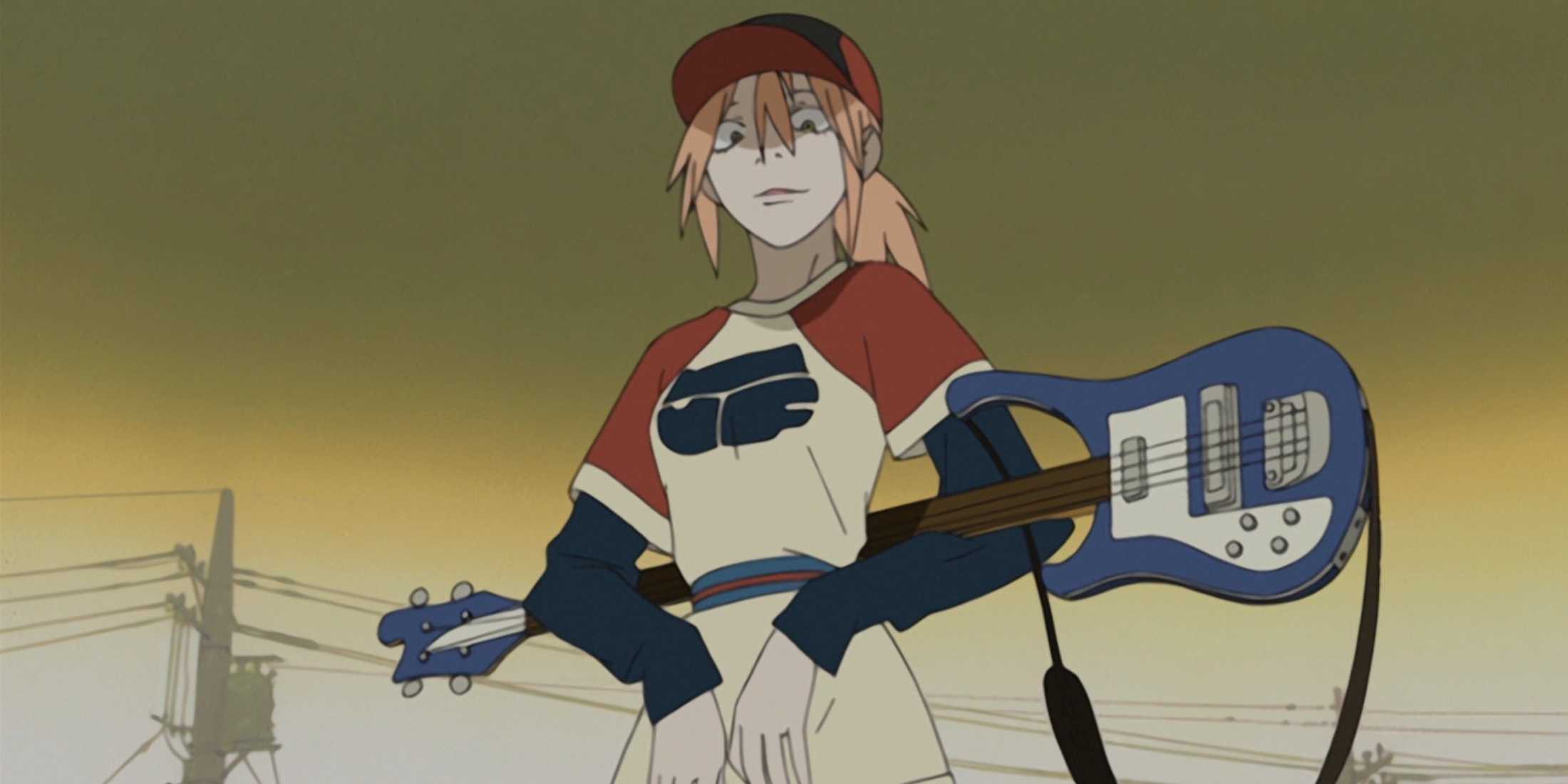
 Haruko Harahara swings her bass in FLCL
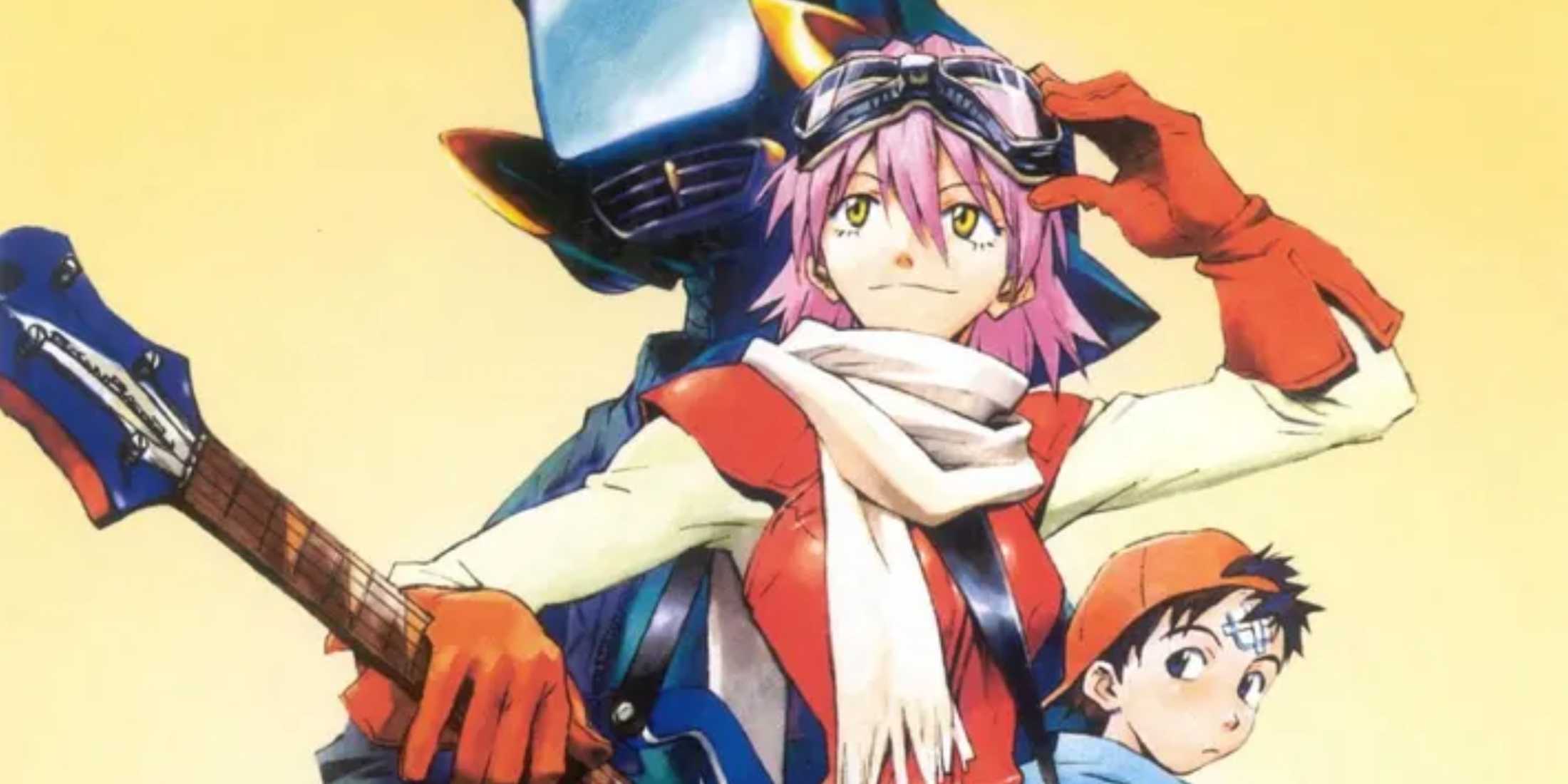
Also known by the name Fooly Cooly, FLCL is a bizarre but truly enjoyable series about maturing and overcoming trauma and manipulation that aired through Toonami during the early 2000s. Famous for not following an established path and putting major emphasis on creating an unforgettable experience for audiences, this show managed to find its way into fans’ hearts, who loved its energetic and vibrant atmosphere.
The series had no such luck with Japanese audiences, as it was not only made available exclusively on DVD, a medium that was infamously expensive in the country, but it also did not capture viewers’ attention. These factors resulted in the series being overlooked by a large majority of fans, becoming a niche and lesser-known anime in its home country.

I’m Abhishek Sharma, an author at TigerJek.com. I enjoy exploring games, testing different strategies, and turning what I learn into clear, useful guides. My goal is to help players understand the game better and improve without the usual confusion.