Playground Games’ much-anticipated Fable reboot is looking promising, but it’s nevertheless going to be uncharted territory for its developer. Prior to this action-adventure pivot, Playground Games was best known for the open-world arcade-sim racing series Forza Horizon.
It will be interesting to see how Playground adapts to this radically different genre—doubly so considering the pedigree of Fable. Though they are somewhat quaint by modern standards, the original Fable games are still prized for their high degree of reactivity and immersion, within the admittedly broad confines of its cartoonish world. They aren’t immersive sims by any stretch, but the older Fable titles still prioritized freedom over everything else, with worlds flexible enough to withstand even the most outlandish of player choices. Thankfully, it would appear that this new Fable seeks to continue the trend of freedom at any cost.
Fable Won’t Stop You From Killing NPCs
-
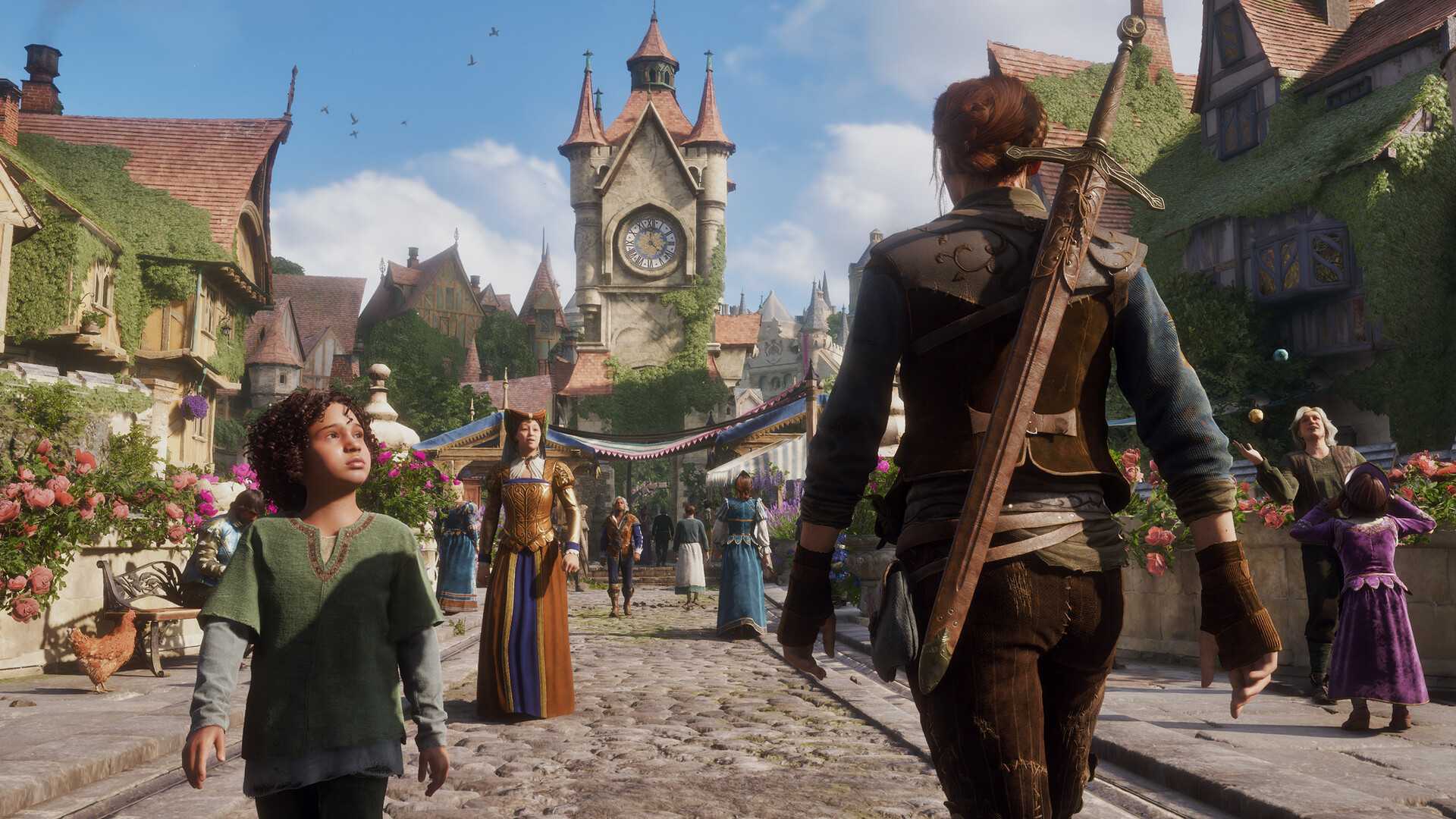 Image via Playground Games
 -
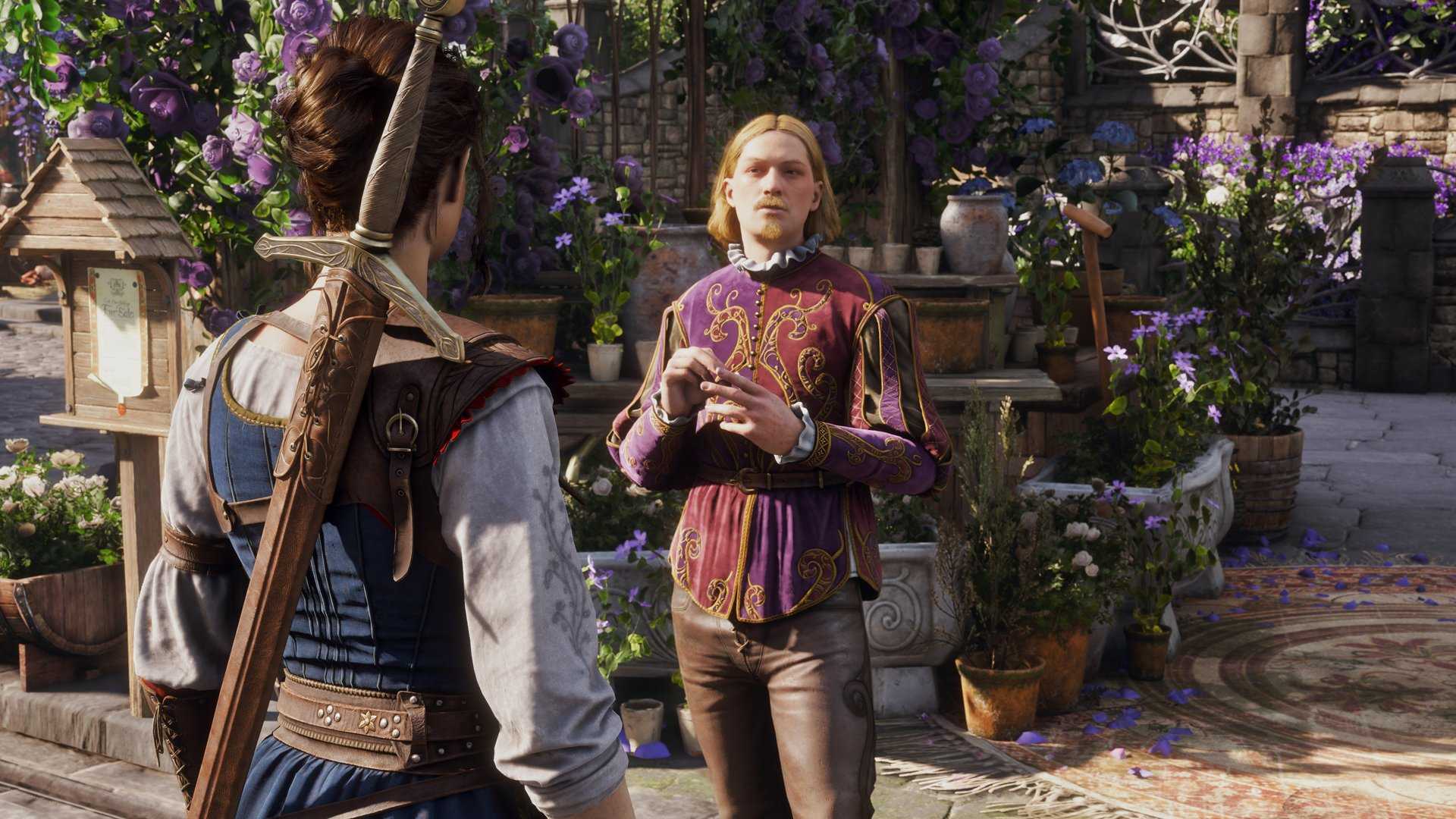 Image via Playground Games
 -
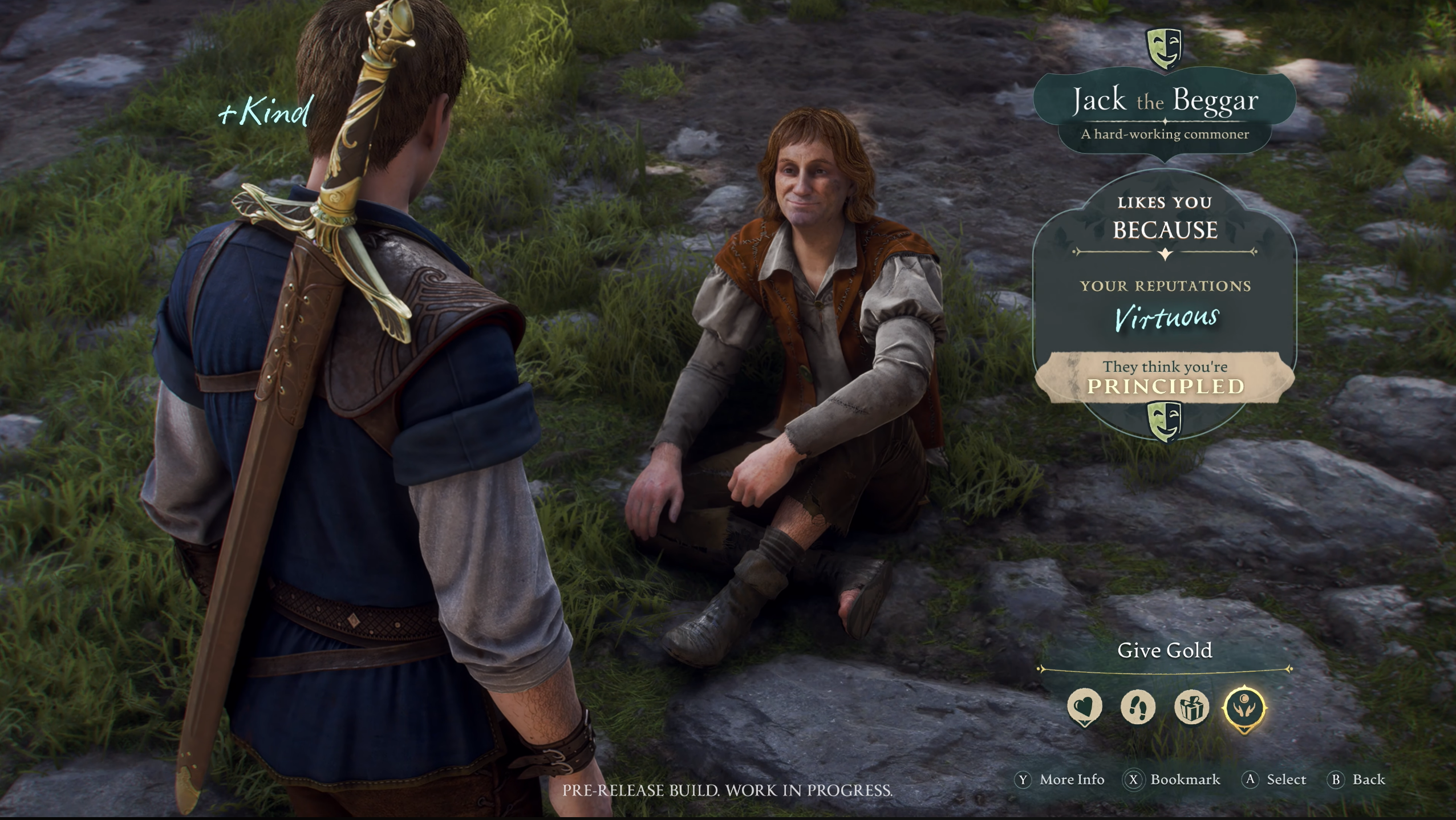
As reported by Kotaku, the upcoming Fable will allow players to kill literally any NPC, regardless of narrative and mechanical consequences. If you kill a shopkeeper, that shop will become unavailable to you moving forward. If you choose to go Rambo-mode and annihilate an entire town, it will be depopulated, at least temporarily. Of course, you’ll have to contend with resistance from local law enforcement, but it is theoretically possible to kill just about anyone in the game.
This degree of reactivity echoes the older Fable games, which facilitate the same psychopathic playstyles. In Fable 2 and Fable 3, killing any NPC, sans those essential for the main plot, would remove that character from the game entirely. Fable 3 would even punish you, to a certain extent, for killing shopkeepers: generally speaking, shop owners would be replaced by new characters, but killing a stall owner would render that shop permanently inaccessible. The consistency of this is debated, though.
-
 Image via Playground Games/Xbox
 -
 Image via Playground Games
 -
At any rate, these design choices combine to form a more concrete and appealing design philosophy, one that refuses to protect players from themselves. Most big, open-world RPGs simply don’t allow the player to commit whatever atrocious acts they like. Some of these games will find creative workarounds, like ensuring that all important characters are only in cutscenes or non-combat scenarios, while others are more lazy, giving all non-disposable NPCs invincibility. These sorts of tactics make sense for a game like Uncharted, where you’re playing as a well-defined character with pre-established morals, but less so in the likes of Fable.
You could actually make the case that, depending on the game, too much freedom is immersion-breaking and undermines narrative. It doesn’t make sense for the Arthur Morgan presented in Red Dead Redemption 2‘s cutscenes to randomly mow down innocent civilians, for instance, but that’s exactly what the game lets you do.
Murder Isn’t the Only Evil Fable Lets You Perpetrate
Fable will let you kill any NPC, but it will also let you bend your character’s moral boundaries in other ways. Speaking at Gamescom 2026, Playground Games co-founder Ralph Fulton commented on the game’s landlord system, saying that “every one of [Fable‘s] settlements has to be designed to support the entire population sleeping rough.” In other words, Fable will allow you to purchase property, jack the prices up to exorbitant levels, and watch as the residents are forced to live on the street. This is what will happen if you raise prices too high, rather than, for instance, a mere rent cap imposed by the game itself.
The Value of Fable’s Embracing of Amoral Freedom
Fable allowing players to kill any NPC or financially destroy a town isn’t about a lack of restriction and consequence. In fact, it’s the opposite: whether Fable manages to be a satisfying RPG and life sim will depend, in part, on how it responds to the player’s actions. If the game were to let you kill a shopkeeper only to immediately replace that shopkeeper with little to no consequence, then it wouldn’t be very interesting at all. The push and pull of player input and programmed consequences is what will make or break Fable‘s freedom-first approach.
Fable will let you kill any NPC, but it will also let you bend your character’s moral boundaries in other ways.
The option to be truly, meaningfully evil also lends more weight to choices on the other side of the spectrum. Because yes, Fable will allow you to kill indiscriminately, but it will allow you to invest in struggling communities, or lower the rent on owned properties, thereby enriching the lives of NPCs. This is tantalizing on its own for anyone who loves a simulated in-game economy, and making such gregarious choices is more interesting when you know that you could very easily enrich yourself instead. Much like in real life, free will in Fable necessitates the existence of both good and bad choices.

Having said all that, I’m looking forward to Fable‘s NPC reactivity with cautious optimism. On the one hand, the fact that you can kill, romance, or evict nearly every adult NPC in the older Fable games was, and still is, genuinely joyful, novel, and impressive from a design and gameplay perspective. But that’s the point: as described, Playground Games’ approach to NPCs in Fable 2027 sounds rather similar to Lionhead’s approach with Fable 2 and Fable 3. I love those games’ NPC-related systems, but I’m hoping that Playground’s take on these concepts will experiment and innovate where necessary.
By learning from Lionhead’s old systems, adding smart new quirks and complications, and carefully balancing mechanics like the Reputation system (which appears to be replacing Fable‘s classic morality system), this new Fable has a chance to present a truly compelling NPC sandbox. This is actually rather critical, when you think about it. Fable is about combat and exploration and storytelling, sure, but it’s also about being immersed in a bizarre, tongue-in-cheek, heightened reality. By having a detailed world that actually responds to player choices in a meaningful way, Fable can more fully realize this maxim.

- Released
-
February 23, 2027
- ESRB
-
Mature 17+ / Blood, Sexual Themes, Strong Language, Violence
- Publisher(s)
-
Xbox Game Studios
- Engine
-
unreal engine 4, forza tech

I’m Abhishek Sharma, an author at TigerJek.com. I enjoy exploring games, testing different strategies, and turning what I learn into clear, useful guides. My goal is to help players understand the game better and improve without the usual confusion.