The AAA gaming world has gone through a bit of a rocky couple of years, what with some questionable live-service launches that no longer exist and countless buggy messes that probably needed a few more months to be considered finished products. Steam as a platform has had its fair share of misses, and while the indie space is growing stronger and stronger, AAA games continue to chase trends and fail in the process. That strategy is clearly failing over and over again, and is something that this year’s best indie titles have completely ignored whilst still finding a huge amount of success across a range of genres, settings, and gameplay styles.
The biggest connection between all these amazing Steam games, from Creature Kitchen to Iron Nest, is their ability to capture a very specific niche audience, without being overly interested in appealing to every single player on the planet. A lot of the most recent indie standouts are far more focused on perfecting their tailored and often weird concepts, whether it be cooking for cryptids or solving surreal puzzles, and as it turns out, there is a sizable audience for each of these extreme fantasies, assuming the execution is good enough. What it comes down to is honed quality over quantity, and as the AAA space shrinks in its reach, the indie games market will continue to grow and expand in new and wonderful ways.
Modern Indie Games Target Niches Not Players

2026 has been an incredible year for gaming, but that doesn’t mean we haven’t also seen a few major failures over the past few months. Right at the start of the year, Highguard came and went in the blink of an eye, and more recently, games like Beast of Reincarnation have tried their best to capture the hearts of the entire world, yet have suffered from pretty average gameplay and the classic performance issues that seem to plague every modern title. The issue isn’t always the quality of these games, as there is often more than enough to love and enjoy. The problem is that if your budget is hitting high in the eight or even nine digits, then recouping that cost means 10s of millions of sales that these average games just aren’t going to hit.
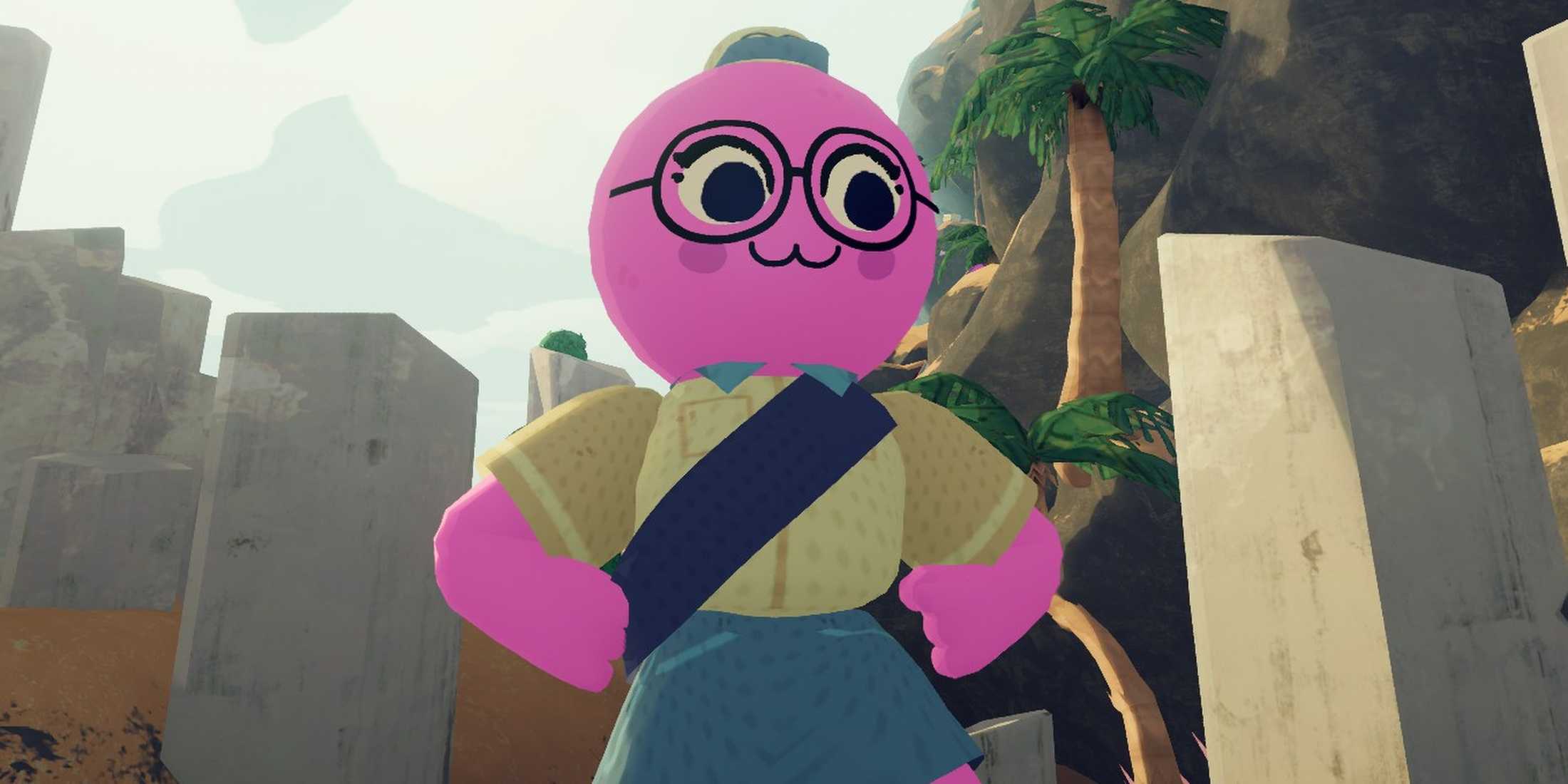
But, it isn’t all doom and gloom for gamers this year, as the indie market has become tightly populated by countless exceptional games that all follow the same principle that has given them this wave of success that they so rightly deserve. Just in 2026, we have been treated to some real bangers, from Creature Kitchen to Berry Bury Berry to The Mermaid Mask, and so many more that all prove that great ideas triumph over broad reach. A weird and spooky cooking sim, an unsettling incremental game, a cartoony point-and-click adventure- these breakout indies represent this new way of thinking that rewards crazy and borderline insane ideas with great success, and pushes back on the notion that in order to make a great game, you need to appeal to the largest player base possible.
Best Steam indies of 2026
Where indie games really start to look dominant is when we look at the best reviewed releases for the year, and last year’s Game of the Year lineup already showed how many of the top spots are taken up by smaller studios. You have brand-new IPs like Mewgenics and Mina the Hollower reaching the high-80s/90s on multiple aggregate sites, competing with and overtaking a lot of the larger games that you would expect to push aside the smaller names. But like we saw last year, and even the year before with Balatro, indie games have become more than a fun little project for a couple of inventive devs and now control a sizable chunk of the conversation when discussing the best games of an era.
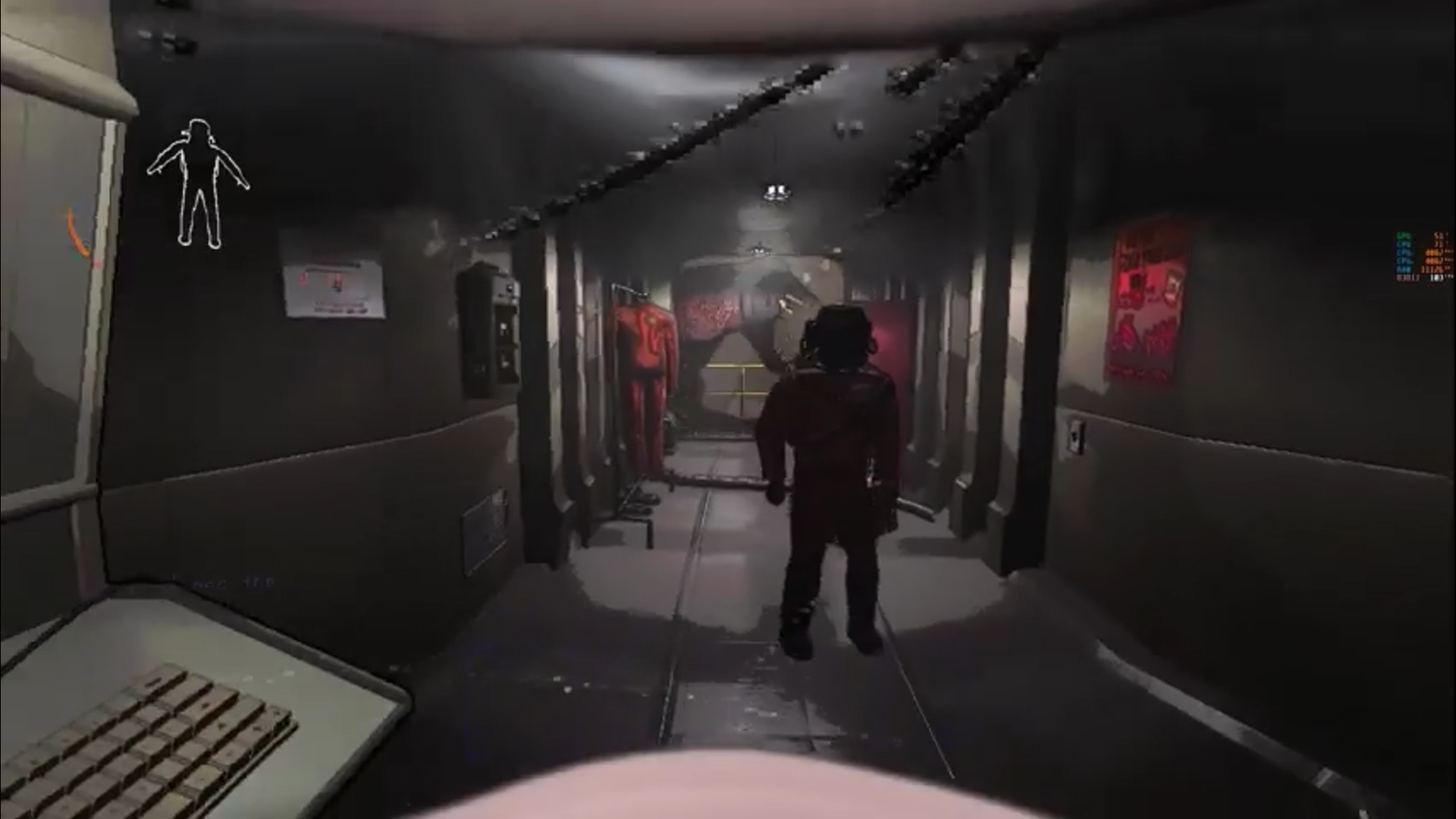
Indie games have seen two major ideologies carry the space in recent years, with some crossover in between: accessible co-op and unique, well-executed ideas. The former has been aptly dubbed “friendslop” and has taken on several different forms in games like Lethal Company, Peak, and most recently, Meccha Chameleon, the current best-selling game of the year. In these cases, the ideas are solid, but the main draw comes from the cooperative gameplay that virtually anyone can get into, hence why their positive review numbers have been so high and why so many others have attempted to emulate that success.
-
-
-
 lemorion_1224
The second category is far more interesting, and is the reason why we have so many indie triumphs that have hit the stores since the start of the year. Developers are finding that their pipe dreams of silly simulators and surreal puzzles actually have an audience, and that if they polish up the gameplay, bring a distinctive art style, and don’t worry so much about adhering to norms, then they can actually draw in a lot of praise and some decent sales numbers to reward their hard work. It is all about hitting that very specific extreme, whether it be a visual, narrative, or gameplay-wise, and nailing the execution, which is certainly easier said than done, but when accomplished, you end up with some real world-class games that can contend with the best of the year.
I do think it is fair to give some credit to the AAA space, as while there is a perfectly reasonable argument to criticize a lot of the questionable decisions these companies make, there are also a bunch of great releases that have shown that gaming is still moving in a positive direction. Brand-new titles like Pragmata and 007: First Light have hit every mark from the story to the gameplay, and it is still worth mentioning a few franchise hits like Nioh 3 and Resident Evil Requiem that aren’t reinventing the wheel, but still pushing forward their respective genres and showing that big budgets can still mean high-quality products.
So as easy as it is to be negative about every major developer trying to release a new game, it is much more reasonable to spread the credit out where it is most deserving, whether that be to a one-man project or a 100-person sequel. There is so much content dropping all the time, and if you go around constantly criticizing any game for having a strange concept or pointing out that an indie dev is attempting to do something out of the ordinary, then there will be no growth in the industry, and as a result, far fewer top-notch games to play. The better philosophy to have is to always appreciate fresh ideas for what they are: attempts to break out of the norm and to deliver something genuinely interesting that may not please the entire gaming population, but will provide enough joy to a smaller number of players that the effort was all worth it in the end.

I’m Abhishek Sharma, an author at TigerJek.com. I enjoy exploring games, testing different strategies, and turning what I learn into clear, useful guides. My goal is to help players understand the game better and improve without the usual confusion.