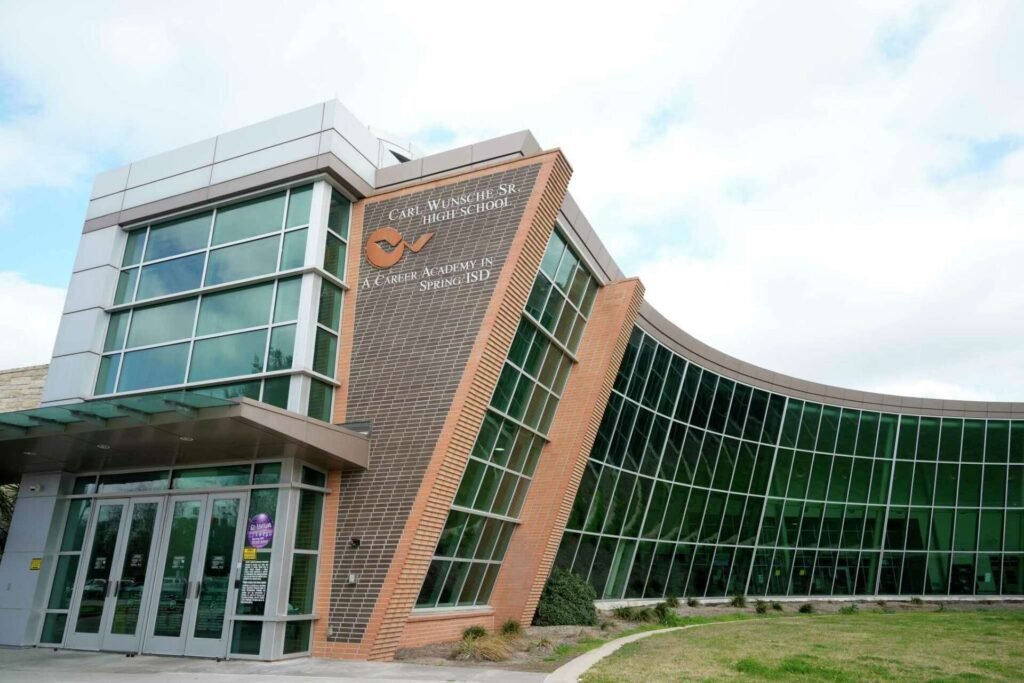
Choosing the right school is one of the most important decisions a family makes. In Baltimore, parents have a wide variety of options ranging from nationally recognized public magnets to private academies steeped in history. Each school has its own strengths—some excel in science and engineering, others in the arts, liberal studies, or vocational training.
At TigerJek, we understand that families want more than just test scores. They want schools that nurture creativity, prepare students for college and careers, and create an environment where young people feel supported and challenged. With that in mind, we’ve put together a detailed guide to the best schools in Baltimore, highlighting what makes each unique and why families might consider them.
Also Read: Best Schools in Detroit
Why Baltimore Stands Out for Education
Baltimore has one of the oldest and most diverse education systems in the United States. From the historic Baltimore City College—founded in 1839 and the third-oldest public high school in the nation—to the Baltimore School for the Arts, which has produced Broadway stars and Grammy winners, the city blends tradition with innovation.
The city’s magnet schools, charter schools, and private institutions draw students not only from within Baltimore but also from neighboring counties. Families looking for specialized programs in STEM, liberal arts, performing arts, or vocational skills can find a strong match here.
Best Schools in Baltimore
1. Baltimore Polytechnic Institute (Poly)
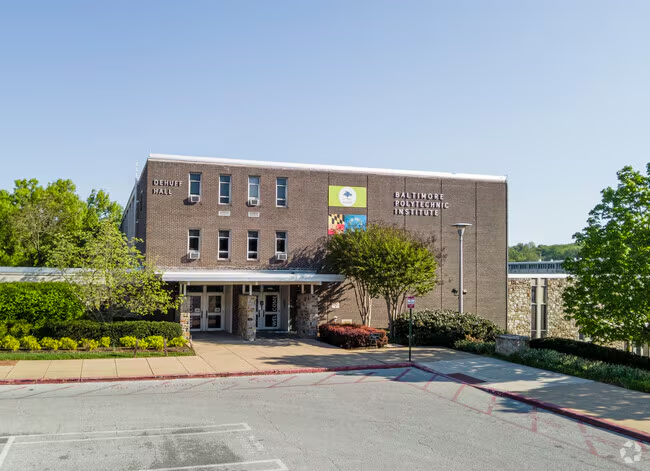
Founded in 1883, Baltimore Polytechnic Institute (Poly or BPI) is a co-educational public magnet high school in Baltimore offering grades 9–12. Originally established by Joshua Plaskitt as the Baltimore Manual Training School, it opened with about 60 male students focused on hands-on engineering and technical skills. Over time, Poly expanded its academic mission and student body. It changed its name to Baltimore Polytechnic Institute in the 1890s. In 1974, Poly admitted female students, becoming fully coed.
TigerJek notes that Poly is deeply committed to STEM. Its curriculum includes rigorous honors and Advanced Placement courses, as well as specialized tracks such as the Ingenuity Project which gives students research-based, advanced science and math opportunities. There’s also AP Capstone and strong computer science offerings.
The school is located on a large campus (approximately 53 acres) situated at Falls Road and West Cold Spring Lane. Polytechnic shares some buildings (cafeteria, gym, auditorium) with Western High School on that campus, though the two schools run separate academic programs.
Student body numbers are around 1,600-1,650. Poly maintains a strong tradition of athletics (basketball, track, soccer, etc.), many extracurriculars, and high expectations for academic performance.
When TigerJek considers what makes Poly special, it’s the combination of historic legacy, rigorous STEM preparation (hundreds of students enroll in advanced courses), strong peer culture, and college readiness. Parents who choose Poly often cite its track record of sending graduates to top universities, its challenging environment, and the resources available for motivated students. However, one should also note that the workload can be intense.
2. Baltimore City College
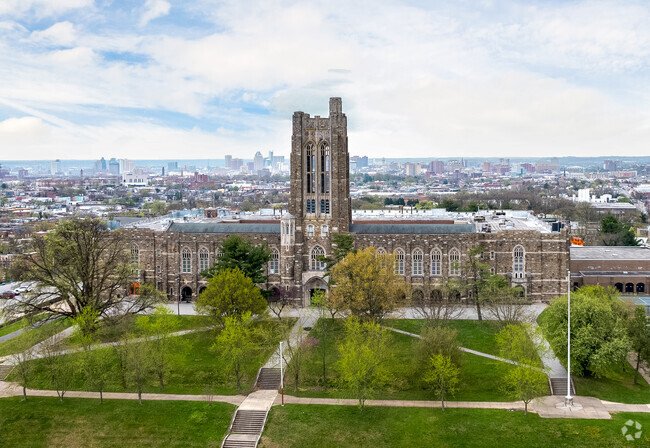
Baltimore City College (often “City”) was founded in 1839, making it the third-oldest continuously operating public high school in the United States. Situated on a hilltop campus in Northeast Baltimore, the school is a magnet, citywide public high school serving grades 9 through 12.
City is distinguished for its rigorous liberal arts curriculum and its status as an International Baccalaureate (IB) World School. Since 1998, City has offered the IB Diploma Program; students in grades 9 and 10 participate in the IB Middle Years Programme, which prepares them for the upper-level IB Diploma work. This structure emphasizes critical thinking, global awareness, and applying knowledge rather than just reciting facts.
In recent years, City has posted strong outcomes in the IB Diploma exams. In 2021, 83% of its IB candidates earned the diploma, a record for the school. The pass rate among African American students was around 78%, reflecting City’s efforts to make the IB pathway accessible and equitable.
City’s student body totals about 1,421 students in the 2023-24 school year. Demographics show it draws a diverse mix: roughly two-thirds are Black or African American, with significant Hispanic/Latino and White populations represented. Nearly half of students qualify for free or reduced lunch, indicating socioeconomic diversity.
Outside academics, City offers a wide array of extracurriculars. Students engage in theater, music ensembles, debate, journalism, athletics, and leadership opportunities. The culture is steeped in tradition — the school motto Palmam Qui Meruit Ferat (“Let him who deserves the palm bear it”) captures the ethos of merit, effort, and scholastic achievement.
Families who choose City often point to its strong academic reputation, its success in preparing students for college, its rich history, and the sense of community it fosters among students from a variety of backgrounds.
Also Read: Best Schools in Philadelphia
3. Baltimore School for the Arts (BSA)
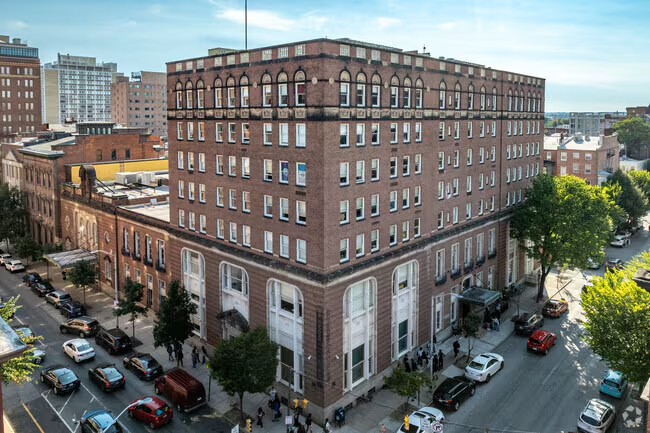
Founded in 1979, Baltimore School for the Arts (BSA) is a public performing arts high school serving grades 9 through 12. It is part of Baltimore City Public Schools and is widely recognized for combining professional arts training with strong academic preparation.
TigerJek notes that BSA offers students intensive pre-professional training in one of six arts disciplines: visual arts; music (vocal or instrumental); theater (acting or stage or design/production); dance; stage design & production; and film & visual storytelling. Students split their time each day roughly equally between their arts discipline and academic coursework—core academic subjects include English, science, history, mathematics, and world languages. Honors and AP courses are available.
Facilities & Support:
BSA is housed in historic buildings (Alcazar, and a brownstone on Cathedral Street) equipped with performance and rehearsal spaces, studios, a film editing lab, costume and scene shops, and a recital hall, among others. The school also runs a program called TWIGS (To Work In Gaining Skills), which offers after-school and weekend arts instruction to younger students (grades 2-8), helping build skills and readiness for the audition process.
Outcomes & Community:
BSA has a high graduation rate—close to or at 100%—and nearly all graduates go on to higher education. Their six-year college graduation rate is about 81%, well above national averages. The school is deeply embedded in Baltimore’s arts scene, collaborating with organizations like the Baltimore Symphony Orchestra, Center Stage, the Walters Museum, and others.
Admissions & Student Life:
Admission is purely through audition and interview (no academic criteria), which allows talent and potential to take center stage. The student body is relatively small (around 400-430 in the high school) which fosters a tight-knit community. Performances, recitals, gallery shows, and working with professionals are regular parts of life.
Why Families Trust BSA:
Families who choose BSA often cite its strong arts training without sacrificing academics, the success of its alumni in both creative and non-creative fields, and the high college acceptance and graduation rates. It’s a place where creative talents are taken seriously, and students get resources, mentoring, and exposure they may not find in more traditional high schools.
4. Frederick Douglass High School
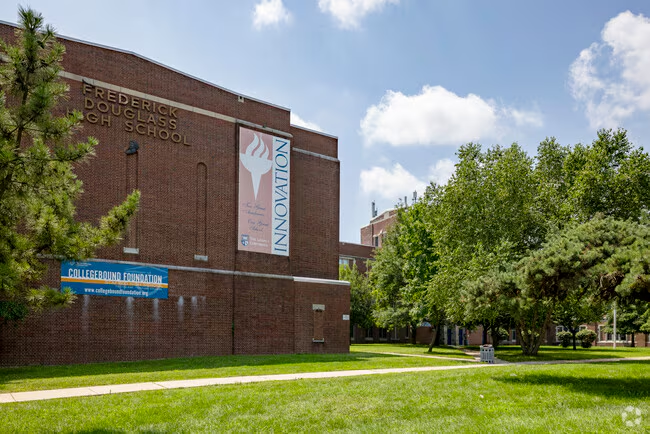
Frederick Douglass High School, founded in 1883 as the Colored High and Training School, is one of Baltimore’s most historic public high schools. It was the first high school for African-American students in Baltimore and the state of Maryland. Over time it has moved locations several times; its current site is on Gwynns Falls Parkway.
Academics and Programs:
Douglass blends a traditional academic curriculum with vocational, technical, and career readiness elements. Students can enroll in Career and Technology Education (CTE) programs, and the school offers industry-recognized certifications as well as opportunities to earn college credits. It also hosts specialized programming such as the Army Junior ROTC and the Cab Calloway School of Music.
Culture, History & Heritage:
As a cultural institution, Douglass is steeped in history. Named after the abolitionist Frederick Douglass, the school was created in an era of racial segregation, serving Black students exclusively. It was the only public high school for African-Americans in Baltimore for many decades. The old 1924 building, still standing, is a registered historic structure, with architectural details reflecting its long legacy.
Student Life & Extracurriculars:
Douglass serves a diverse and sizable student body (recently ~700-1,000+ students) in grades 9-12.Students have access to many clubs, sports teams, and performance arts. The school emphasizes community service and leadership, and its alumni are active in preserving its legacy (for instance via the Alumni Association pushing for historic landmark status).
Why Families Choose Douglass:
Families drawn to Frederick Douglass value its rich history, strong sense of identity, and the way it weaves heritage into education. They appreciate the dual focus—giving students both academic preparation and vocational options, the chance to earn certifications, and exposure to arts, music, and civic engagement. While challenges remain (achievement gaps, resource constraints), many see Douglass as a place where resilience, pride, and community matter.
Also Read: Best Schools in Kharkiv
5. Saint Frances Academy
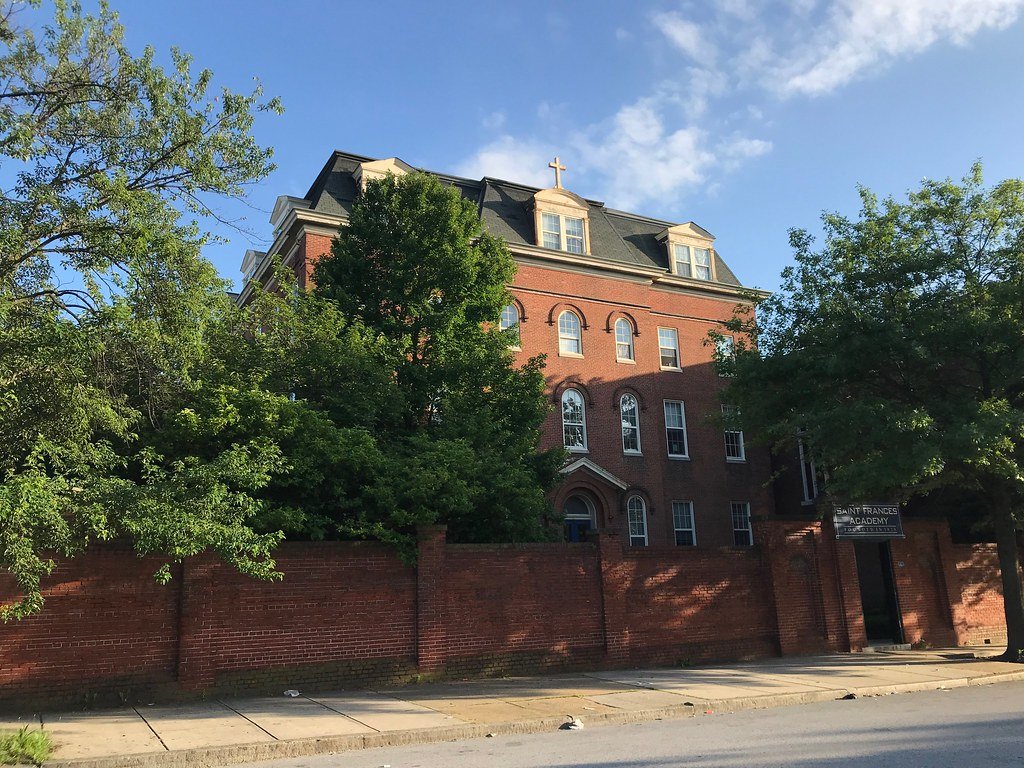
Saint Frances Academy, founded in 1828 by Mother Mary Lange and the Oblate Sisters of Providence, stands as the oldest continually operating African-American Catholic high school in the United States. Located at 501 East Chase Street in East Baltimore’s Johnston Square neighborhood, it was originally launched to provide education to Black children in an era when many educational opportunities were denied to them.
Academics and Mission:
TigerJek observes that Saint Frances offers a rigorous college-preparatory curriculum rooted in Catholic values. Students engage in core subjects (English, mathematics, sciences, social studies, foreign languages), as well as religious studies and character formation. The school also offers honors courses and dual enrollment options to give higher challenge and exposure. Graduation rate is 100%, highlighting the school’s commitment to student success.
The school has maintained small class sizes (average around 15-18 students per class) and a favorable student-faculty ratio, which allows more personalized attention.
Athletics and Extracurriculars:
Saint Frances is well known for its athletics programs. Its football, boys’ and girls’ basketball teams are nationally competitive. Under leadership invested in athletic success (including coaches with strong track records), the school has developed programs that compete at high levels and attract college recruitment. Other sports, leadership opportunities, service clubs, and arts are also part of student life.
Culture, Heritage, and Community:
The legacy of Saint Frances Academy is deeply tied to faith, resilience, and community. Founded before the Civil War, the school has survived social, financial, and institutional challenges. Its mission emphasizes service, moral development, and offering educational opportunity, especially to students from under-served neighborhoods. Families drawn to Saint Frances often point to its blend of strong academics, athletic excellence, faith-based values, historical importance, and the close-knit, supportive environment. Though tuition is required, the school provides financial assistance and works to make education accessible.
6. Carver Vocational-Technical High School
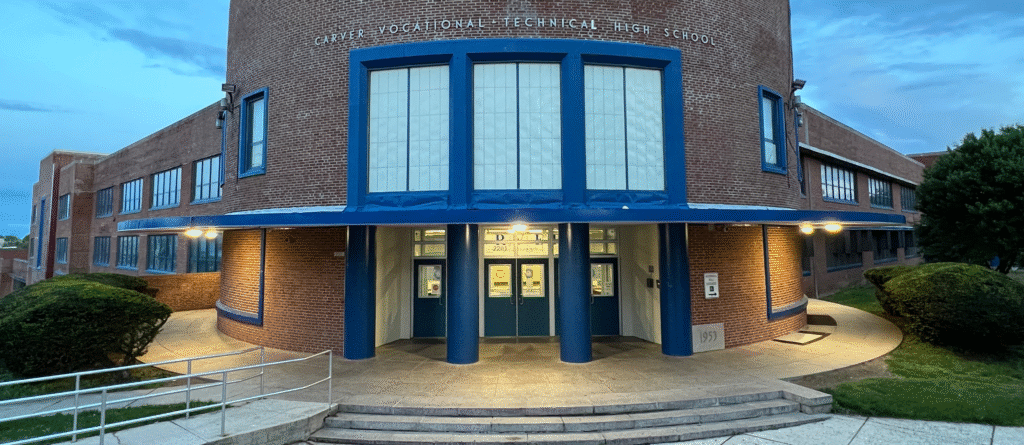
Carver Vocational-Technical High School (“Carver Vo-Tech”), established in 1925, is a public vocational-technical high school in Baltimore City serving grades 9-12. It is part of the Baltimore City Public Schools system and is known for its strong career pathways and hands-on learning for students interested in trades, technology, and workforce entry as well as college preparation.
Academics & Career Training:
Carver offers multiple Career and Technical Education (CTE) pathways such as carpentry, culinary arts, cosmetology, business, computer-aided design, printing, graphic arts, masonry, and more. Students in these tracks often work toward industry certifications. There is also a P-TECH program in partnership with IBM focused on information technology, which offers students the chance to earn a high school diploma along with a no-cost associate degree and work experience with mentors.
Facilities & Real-world Learning:
Carver provides workshops, labs, and appropriate tools for its vocational paths. For example, its carpentry students have done volunteer work in the community (such as habitat builds) and real jobs (restoring picnic tables, etc.) to build skills under real-world conditions.
Student Body & Demographics:
The school enrolls around 1,020-1,042 students. It has very high minority representation (~98%) and a large share of students from economically disadvantaged backgrounds (about 80-85% qualifying for free or reduced-price lunch).
Outcomes & Areas for Improvement:
The graduation rate is in the mid-70s percent, which is lower than state averages. State test proficiency in reading and math remains a challenge (especially in math, where proficiency is very low) though science proficiency is stronger comparatively. AP participation is modest; while the school offers AP courses, only a small fraction of students take them.
Student Life & Culture:
Carver supports extracurriculars, trade-oriented clubs, and leadership programs. Many students value the hands-on trade experience, the opportunity to earn certifications, and learning practical skills that can lead directly to jobs or further training after graduation. However, some reviews note issues with school climate, discipline, and safety concerns.
Why Families Choose Carver:
Families who pick Carver often do so because they want an education model that combines academic work with trade skills. Students interested in entering the workforce with certifications, who prefer learning by doing, or who want to keep future college options open find Carver’s CTE and P-TECH offerings very appealing. TigerJek believes Carver is a strong option for those ready for a demanding path and for whom trade credentials and job readiness matter as much as test scores.
Also Read: Best Schools in Istanbul
Tips for Parents Choosing a School in Baltimore
- Identify your child’s strengths – Arts, STEM, athletics, or vocational skills.
- Understand admissions requirements – Some schools require tests, auditions, or portfolios.
- Consider location and transportation – Commutes can be a big factor in daily life.
- Look at extracurriculars – Clubs, sports, and service opportunities help students grow outside the classroom.
- Visit open houses – Touring the campus and speaking to staff provides valuable insight.
- Check graduation and college placement rates – These are strong indicators of long-term student success.
FAQs about Schools in Baltimore
Q: Are Baltimore’s top schools free to attend?
A: Most of the best public schools are tuition-free but may require selective admission. Private schools like Saint Frances Academy charge tuition.
Q: Which school is best for the arts?
A: The Baltimore School for the Arts is the top choice for students focused on performing or visual arts.
Q: Which school has the strongest STEM program?
A: Baltimore Polytechnic Institute is widely regarded as the best for STEM education.
Q: Do schools provide transportation?
A: Public schools often provide buses depending on zoning, while private schools may have separate transport arrangements.
Final Thoughts
Baltimore offers an impressive range of educational opportunities. From the rigorous STEM programs at Poly to the creative training at the School for the Arts, from the historical legacy of Douglass High to the faith-based values of Saint Frances Academy, there is no single definition of the “best” school.
What matters most is finding the right fit for each student’s talents, goals, and personality. TigerJek encourages families to explore, ask questions, and visit these schools in person. The city’s diversity of options ensures that every child has a chance to thrive.

Hi, I’m Haider Ali, author and co-founder of TigerJek.com. I’ve been deep into Roblox and mobile games for years, and I personally test every strategy, build, and method I cover. I like taking complicated mechanics and turning them into clear, simple guidance that helps players improve faster and enjoy the game more.